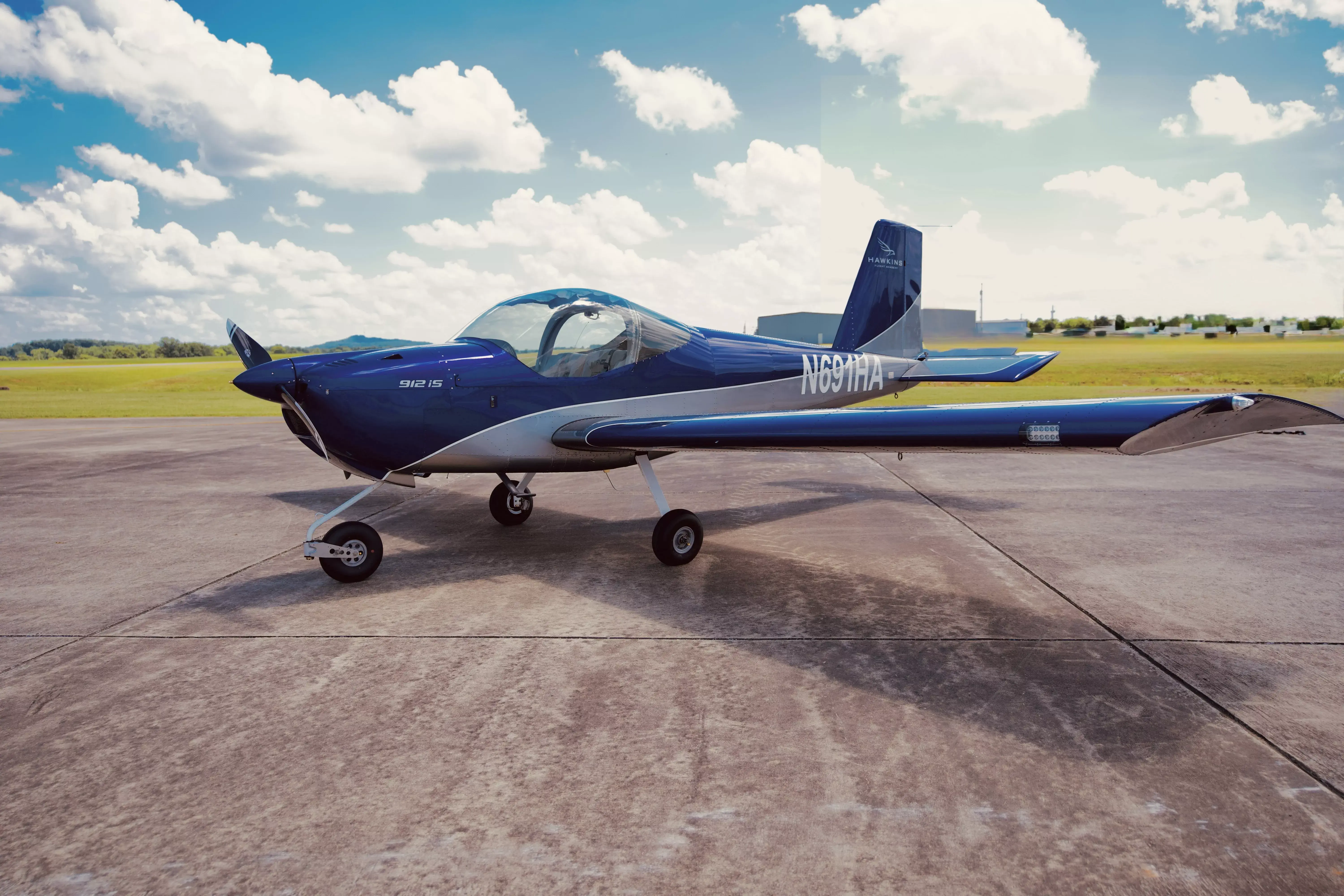
Your Future as a Pilot Starts Now
The aviation industry needs you. Discover why flight training beats a traditional degree in salary, job security, and return on investment.
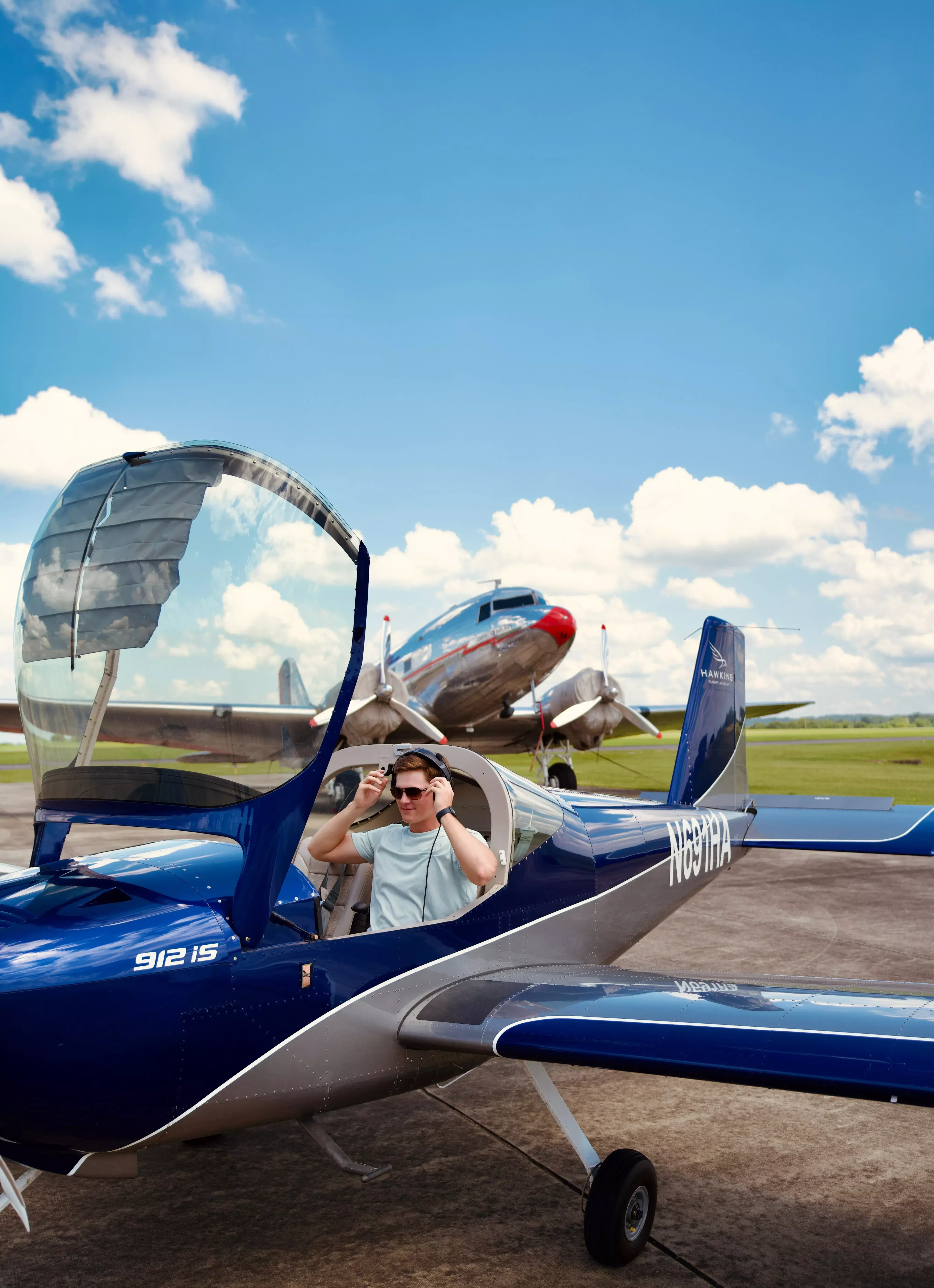
Industry Demand
The Aviation Industry Boom and Your Future
The world needs more pilots, and the gap is widening every day. Airlines across the globe are scrambling to fill cockpits as experienced captains retire and new routes open faster than training pipelines can keep up. Whether you live in Nashville, Huntsville, Tupelo, or Shelbyville, this shortage translates directly into opportunity for you.
According to Boeing, the industry requires 660,000 new commercial pilots by 2044. In the United States alone, airlines face a projected shortage of roughly 24,000 pilots peaking around 2026. Air travel demand is outpacing economic growth, and after a brief slowdown, airline hiring is rebounding aggressively. Students from Murfreesboro, Franklin, and Columbia are already taking advantage of this window.
That creates a clear runway for you. When you start flight training now, you enter a market that's actively looking for your skillset. You don't have to wait years for a seat at the table: airlines are filling classes today, and promotions are happening faster than ever.
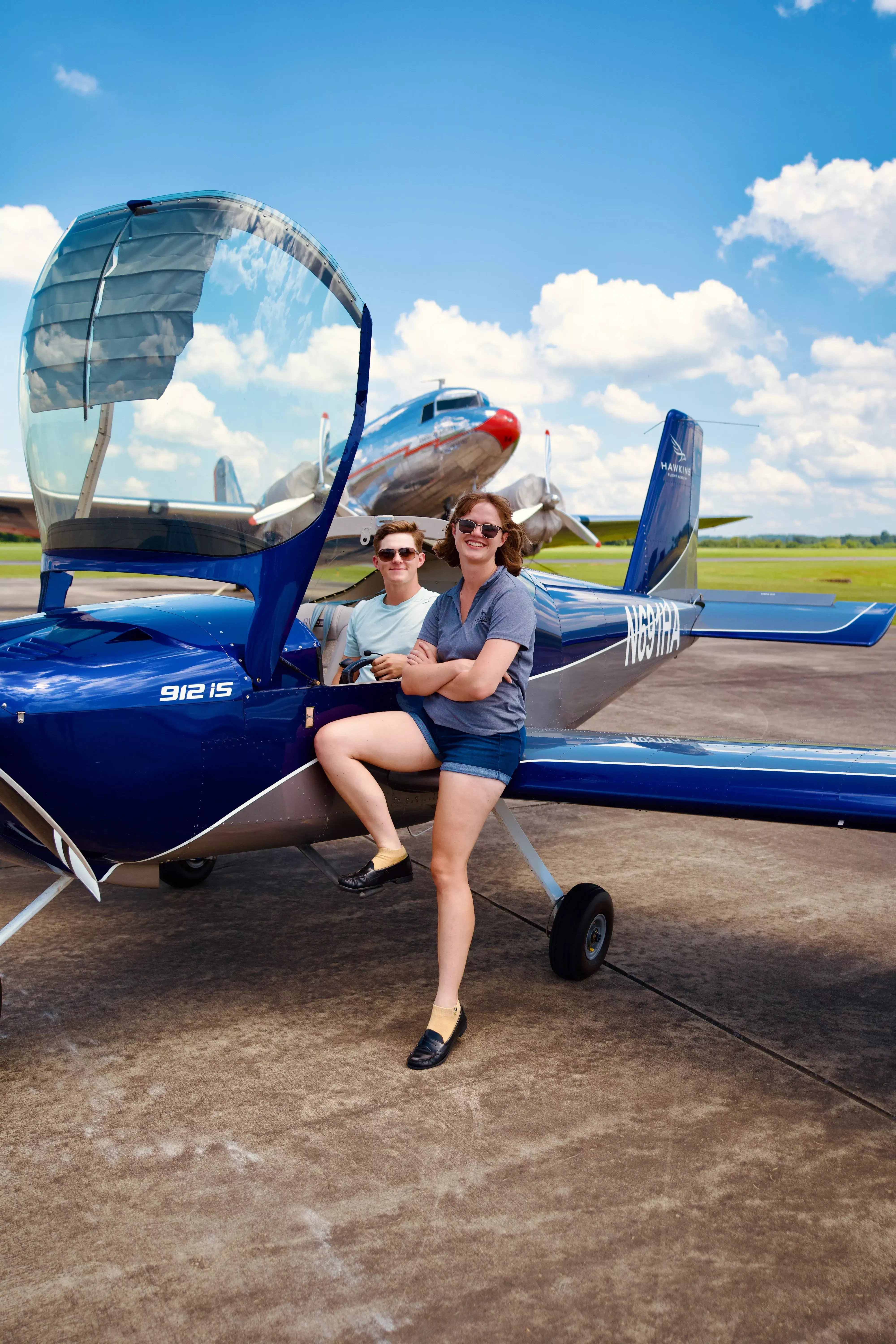
Earnings Potential
Command a
High Salary Fast
A career in the cockpit pays exceptionally well, and the earnings curve is steeper than almost any other profession. In most traditional careers, reaching a six-figure salary takes decades of climbing. As a pilot, your income grows much faster and you get paid to do what you love. Aspiring aviators from Spring Hill, Shelbyville, and Manchester are already on this accelerated earning path.
After completing your Commercial Pilot Training, many graduates work as Certified Flight Instructors earning $30,000 to $50,000 per year while building the flight hours required for the airlines. Once you reach a regional airline, the numbers jump: a starting First Officer can earn $90,000 or more in year one. Students coming from Tullahoma, Lewisburg, and Fayetteville are building those hours right now.
As you build seniority and upgrade to Captain, your compensation climbs even higher. The current median airline pilot salary sits at $226,600 per year, with senior captains earning anywhere from $130,000 to $450,000 annually. Our Career Track program takes you from zero experience to a professional pilot efficiently, so you can reach these milestones sooner.
Return on Investment
The Hidden Costs of a
Traditional College Degree
A four-year degree feels like the safe bet until you look at the numbers. College costs are climbing and the financial return is dropping. Here is what the data actually shows and why aviation training delivers a faster, stronger payoff. Students from Oxford, Starkville, and Columbus are already choosing flight training over traditional four-year programs.
$124,000 Average College Cost
A four-year public university runs $124,000 on average. That is a massive financial commitment before you even start earning. Flight training delivers a professional credential faster and at a fraction of that total.
$32K–$36K in Student Debt
Most graduates leave school carrying between $32,000 and $36,000 in student loans. Those payments eat up 8 to 14 percent of your early paychecks, delaying major life milestones like homeownership.
6–12 Months to Find Work
Only about 45% of college graduates land a job within three months. Many spend 6 to 12 months searching. Aviation students can start earning as flight instructors right after their Commercial Pilot Training.
$69,600 Average Starting Salary
The average college graduate starts at $69,600 per year. Even STEM degrees only average around $77,000. Compare that with a first-year regional First Officer earning $90,000 or more.
Faster Path to Six Figures
Traditional careers often take decades to reach six-figure earnings. As a pilot, you can reach $90,000+ as a first-year First Officer and climb to a median of $226,600 per year at the airlines.
Job Security From Day One
With 660,000 new pilots needed by 2044 and a projected U.S. shortage peaking around 24,000 pilots in 2026, there is no shortage of demand. You step into the market with leverage and stability.
Start Your Aviation Journey with
Hawkins Flight Academy
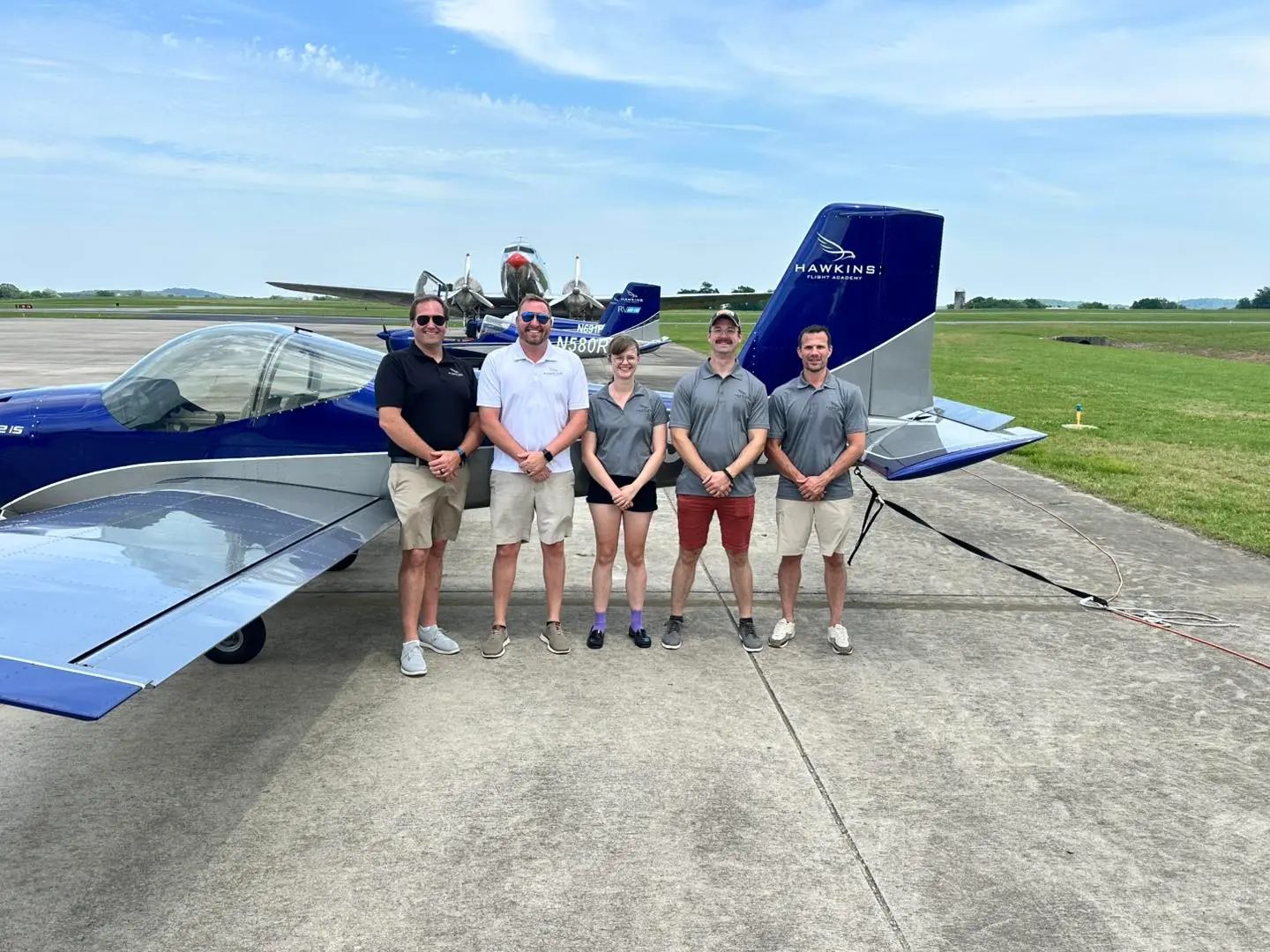
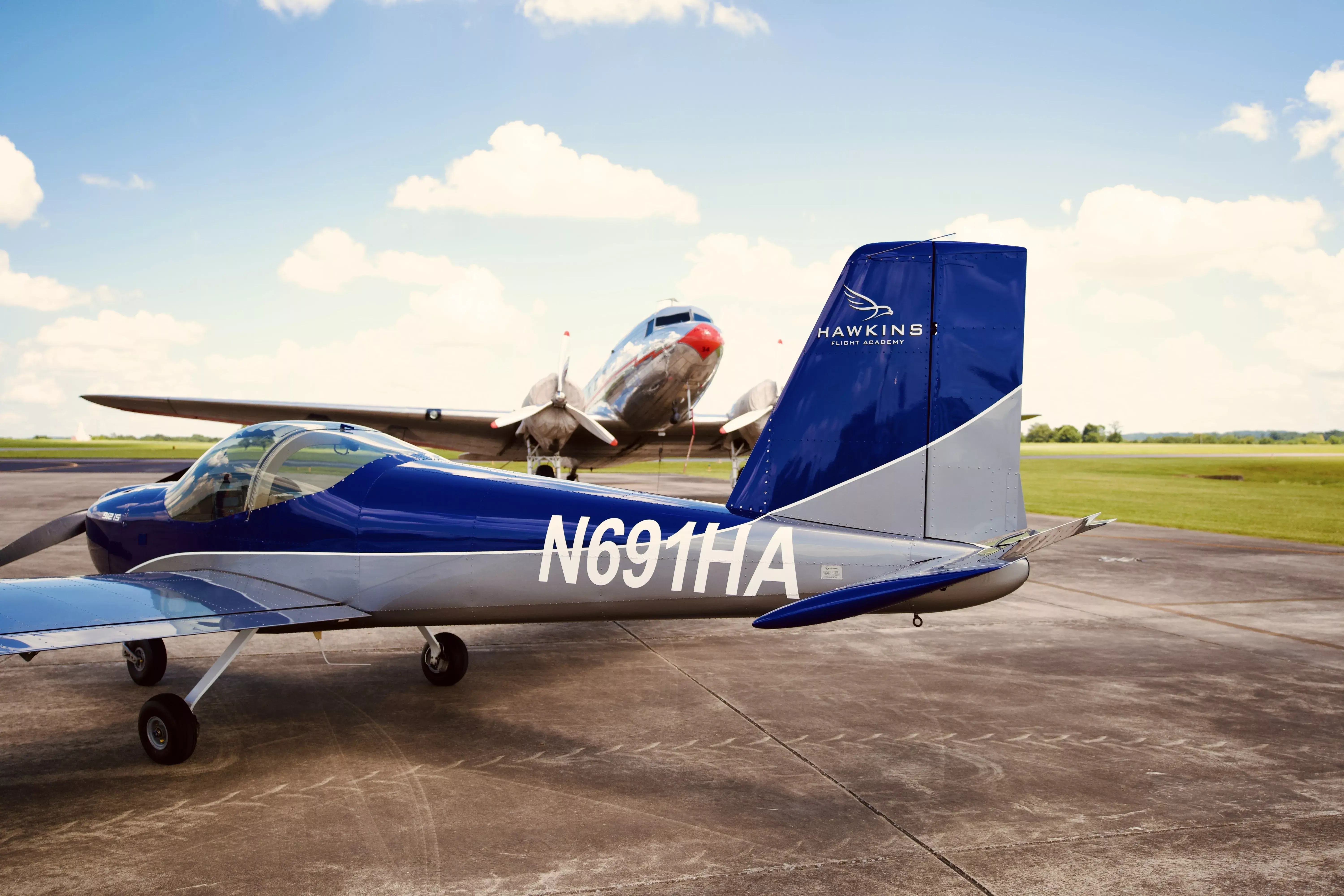
Your success depends on the quality of your training environment. At Hawkins Flight Academy, we operate under Part 61 rules, giving you flexible, personalized training schedules that fit your life, not the other way around. We serve aspiring pilots from across the region, including Winchester, Florence, and Pontotoc.
We are based at Shelbyville Municipal Airport in Tennessee and Tupelo Regional Airport in Mississippi, giving you access to great intersecting runways and real-world weather experience. You learn to fly safely in a supportive, family-like environment. We recently broke ground on a brand new hangar to house our expanding fleet. Students travel from New Albany, Amory, Baldwyn, and Fulton to train with us.
Our trusted fleet of aircraft features modern Garmin glass cockpits, the same digital screens found in major airline aircraft. Our in-house maintenance team keeps every plane flight-ready, which means fewer delays and more time in the air for you. Pilots from West Point to Florence trust our maintenance standards.
Safety is woven into everything we do. We teach the PAVE checklist from day one to build strong aeronautical decision-making habits. And when it comes to financing, we offer flexible options: starting August 2025, you can even use 529 education savings plans to pay for your training.
Are you ready to take control of your future? The sky is calling.
Sources: Boeing Pilot and Technician Outlook 2025, Epic Flight Academy Airline Pilot Salary 2026, The Flying Engineer 2026 Salary Report, AeroTime and AviationCV Blog, EducationData and SoFi, ZipRecruiter Annual Grad Report, ThinkImpact 2026 Salaries, Hamilton Project
Enroll Now
Reach Out to Hawkins
Let's Get You In The Air
All other times by appointment