School or freelance instructor
Same certificate either way; what changes is who supplies the airplane and the plan. Compare your options.
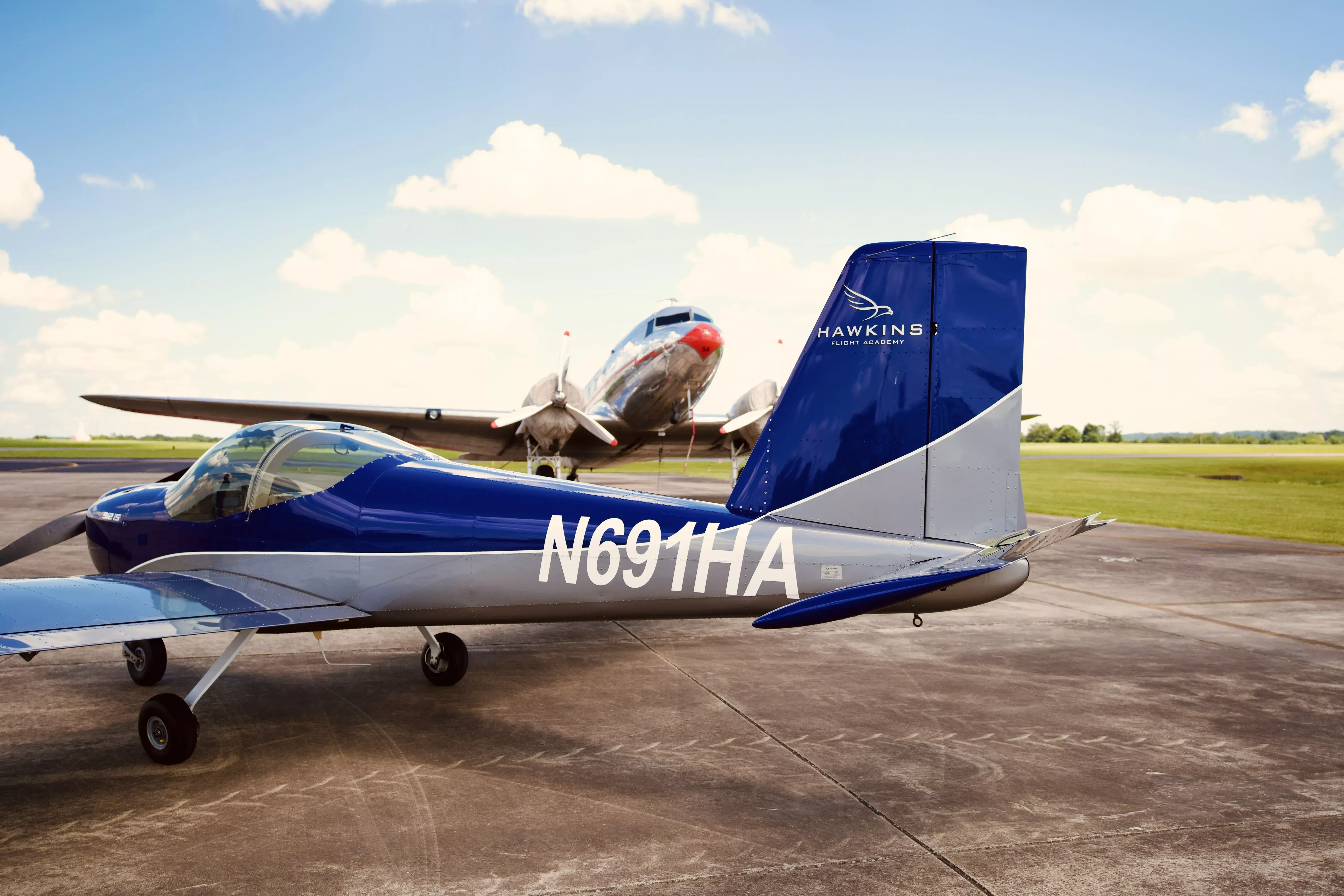
Choose an airport you can reach two to three times a week, then follow a clear plan from your first flight to your checkride.
Start here
Search “learn to fly near me” and the map shows the closest airport. The better question is which airport you can get to two or three times a week around your job and family. That rhythm matters more than a few minutes of drive time.
A private pilot certificate lets you fly yourself and passengers for fun, not for pay. You earn it by training with an instructor, flying solo, and passing an FAA knowledge test and a checkride with an examiner. This guide gives you the short answer on each step, with links to the pages that go deeper.
Why Hawkins
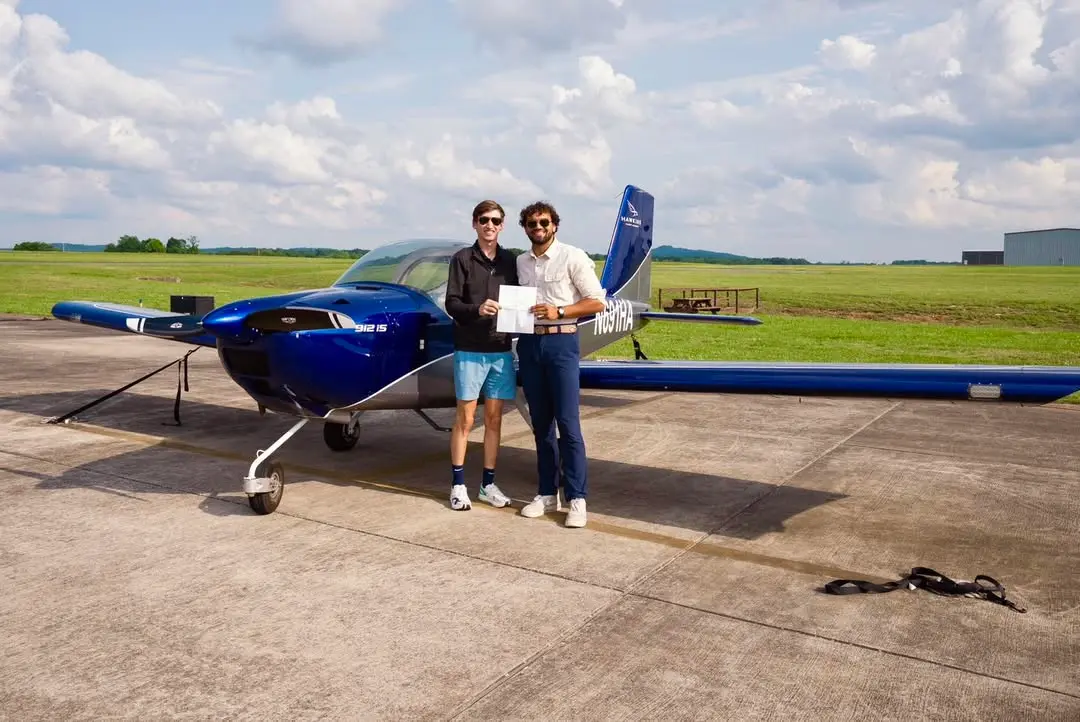
We train private pilots at Shelbyville Municipal (KSYI) in Tennessee and Tupelo Regional (KTUP) in Mississippi. Pick the one you can reach often and you get the same program either way.
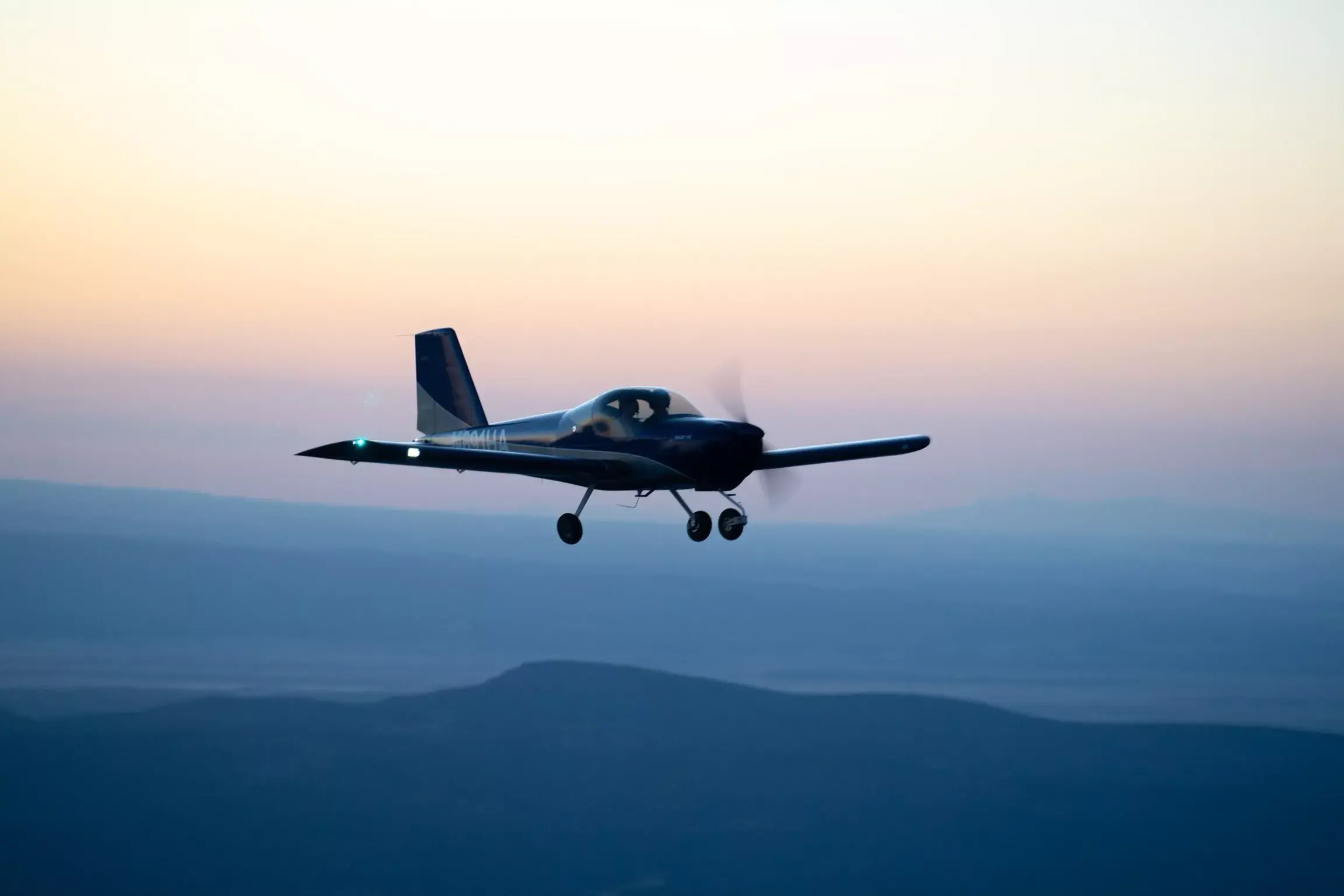
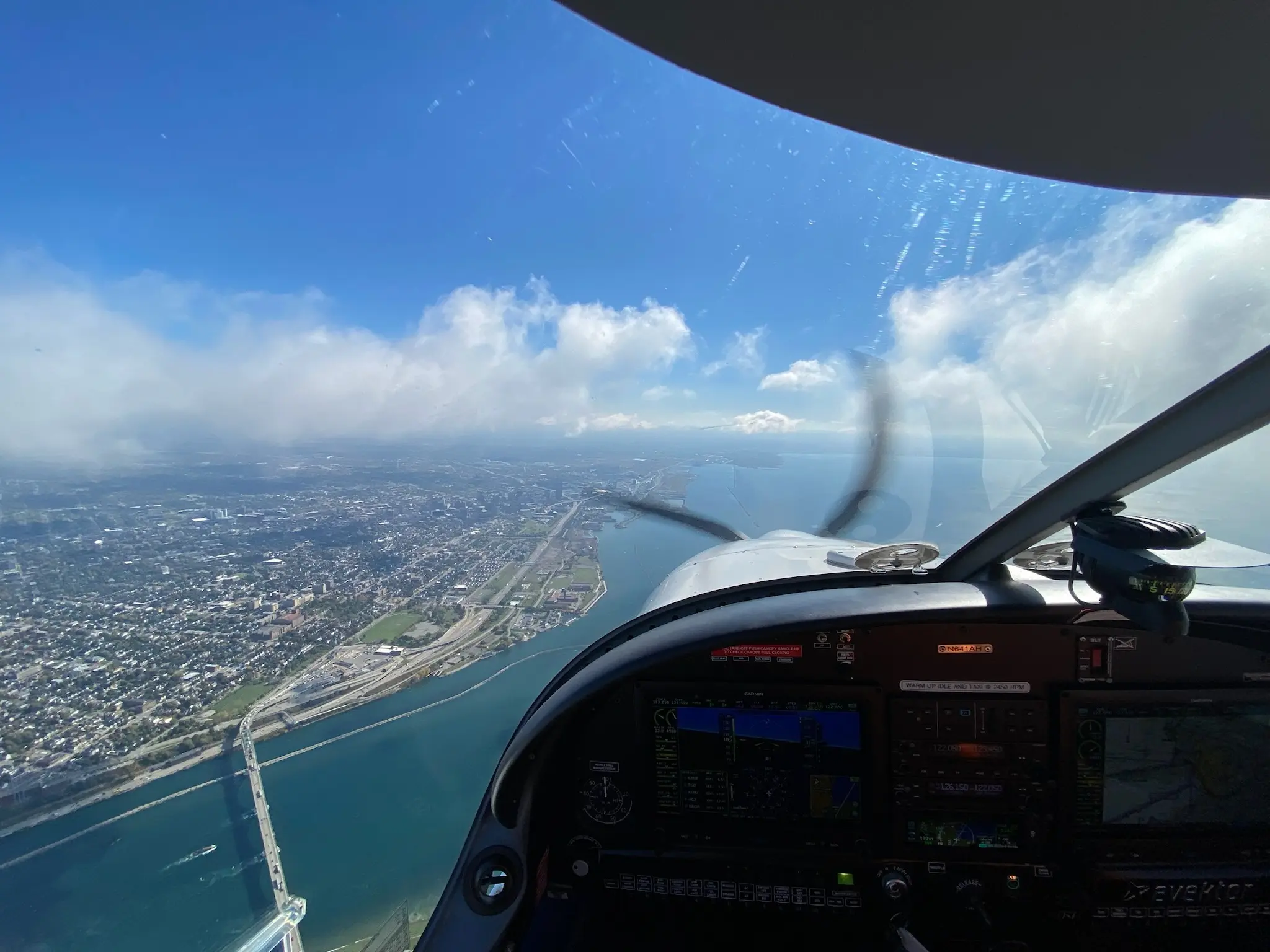
Our RV-12s share the same Garmin G3X glass cockpit, our programs are priced up front instead of billed hourly, and we were named a 2026 AOPA Distinguished Flight School.
The weekly rhythm
Flying skills fade fast early on. Fly two or three times a week and each lesson picks up where the last one ended. Let a week or two slip and the next lesson starts with review, which costs the same as new progress.
The FAA requires at least 40 hours of flight time for a Part 61 private pilot airplane applicant, and most students need more (FAA hour requirements). A steady schedule is the simplest way to keep extra hours down, even if it means a slightly longer drive.

Our two bases
Both bases teach the same private pilot program. Pick the one that fits your weekly drive.
Before lesson one
A few decisions up front keep your flight lessons from turning into a stop-and-start year.
Same certificate either way; what changes is who supplies the airplane and the plan. Compare your options.
Lesson frequency drives most of your first-month cost. Plan your budget or explore financing through Stratus Financial and AOPA Finance.
We train part-time, weekend and full-time students. Pick the pace you can hold. Compare training paces.
No experience, medical or student certificate is needed for lesson one. Get the first-lesson checklist.
The private pilot path
A common progression. Your instructor adapts the order to you.
About 1 to 1.5 hours: a briefing, 30 to 45 minutes in the air with an instructor, and a debrief. Book a discovery flight.
Learn handling, slow flight, the pattern, takeoffs and landings while our 14-week, in-person ground school runs alongside. See your first 10 lessons and ground school.
Before solo you need a third-class medical from an Aviation Medical Examiner and a student pilot certificate. Book the medical early.
Once your instructor signs you off, you solo and build solo and cross-country time, including landings at a towered airport.
Pass the FAA knowledge test, then the oral and flight practical test with an examiner. See our Private Pilot program.
Close enough to reach two or three times a week without wearing you down. A slightly longer drive you keep up beats a short one you skip.
Mostly it depends on how often you fly. The FAA minimum is 40 hours for a Part 61 airplane applicant, and most students need more.
Yes. Many of our students train part-time or on weekends around a job.
Our private pilot starter FAQ covers weather days, medicals, scheduling and ground school.
Learn to Fly in Tennessee and Mississippi
Fly with one of our instructors, see the airplane up close, and leave with a plan for your first weeks. Contact our team to confirm current availability, pricing and start dates.