How to Choose a Professional Pilot Program in Mississippi

Published by:
Matt Wilkins
Published on:
Updated on:
Read time:
8 min read
Choosing a professional pilot program is a significant step toward a career in commercial aviation. For students in Mississippi, the right program must provide the aircraft availability, structured scheduling, and cost transparency needed to progress efficiently from zero hours to a certified flight instructor.
If you are evaluating options, use these five key criteria to choose the best Professional Pilot Program in Mississippi for your career goals.
1. Look for Tower-Controlled Training Environments
A pilot’s radio communication skills are just as important as their mechanical flying skills. Training at a non-towered airport can leave you unprepared for the busy airspace and radio traffic of commercial hubs.
At Hawkins Flight Academy, our Mississippi training base is at Tupelo Regional Airport (KTUP). As a tower-controlled field, Tupelo provides:
- Daily ATC interaction: You coordinate takeoffs, landings, and flight paths with FAA air traffic controllers, building professional radio habits.
- Radar services: Access to local approach and departure controllers, preparing you directly for instrument rating training.
- Diverse airspace: Experience operating alongside corporate jets and regional turboprops.
2. Demand Upfront Cost Transparency
Many flight schools quote pricing based on the absolute minimum hours required by the FAA (such as 250 hours for a Commercial Pilot License). However, the average student requires additional flight and ground hours to build proficiency, which can lead to unexpected cost increases.
Ensure the program you choose provides clear, program-based pricing. Our Mississippi program is structured as a package, covering all flight, ground, and simulator instruction under a fixed price:
- Package 1 (PPL to Multi-Engine Rating): Structured for commercial pilot readiness.
- Package 2 (All ratings including CFI, CFII, and MEI): Built to graduate you as a flight instructor, giving you the credentials to build hours toward the 1,500-hour airline hiring threshold.
If you want to explore funding support, check our dedicated financing page to compare aviation lenders and secure pre-approval.

3. Verify the Quality of the Training Fleet
Flight schools with older, poorly maintained aircraft often suffer from frequent unscheduled maintenance, which halts your training momentum and adds review time to your lessons.
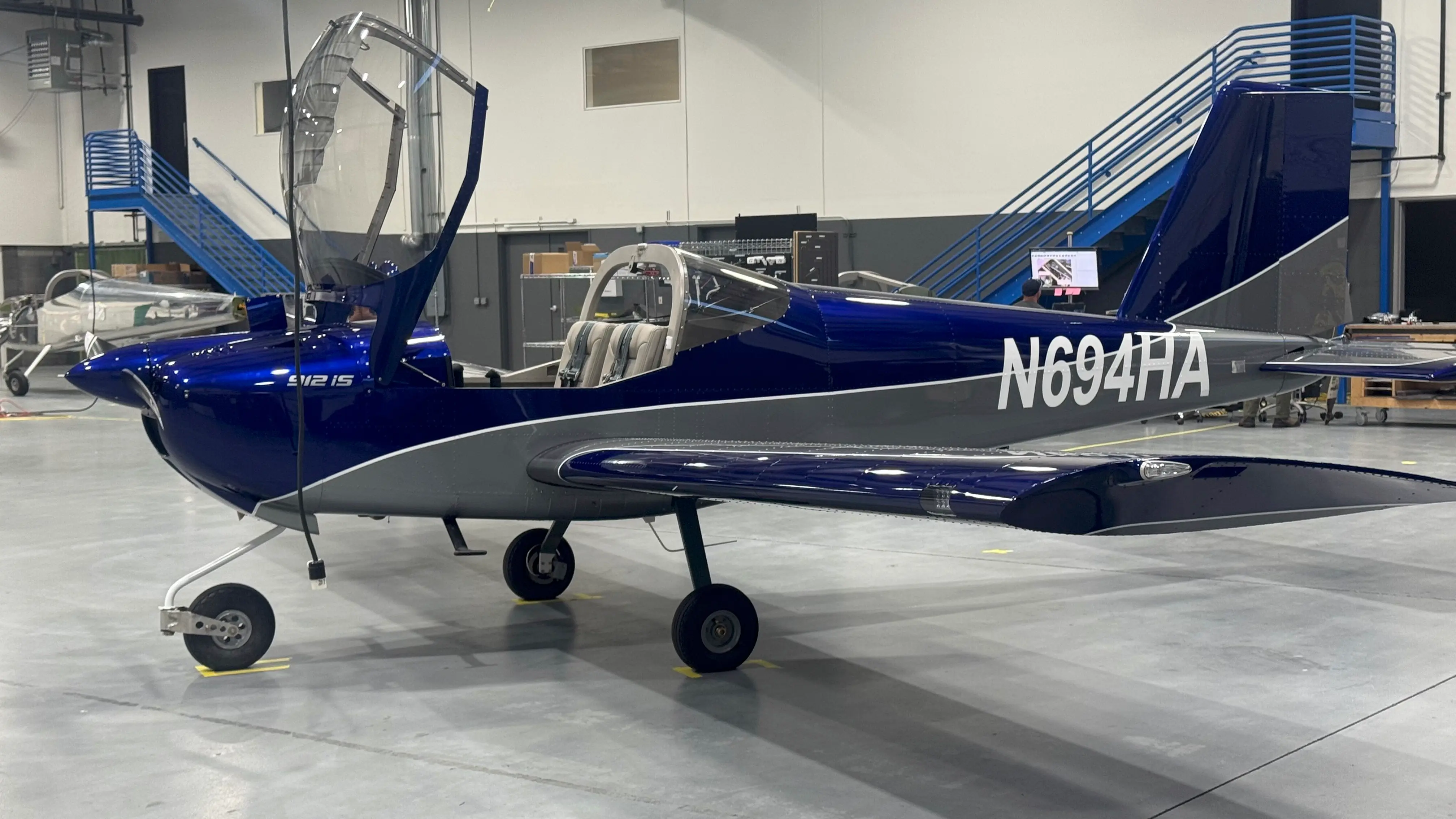
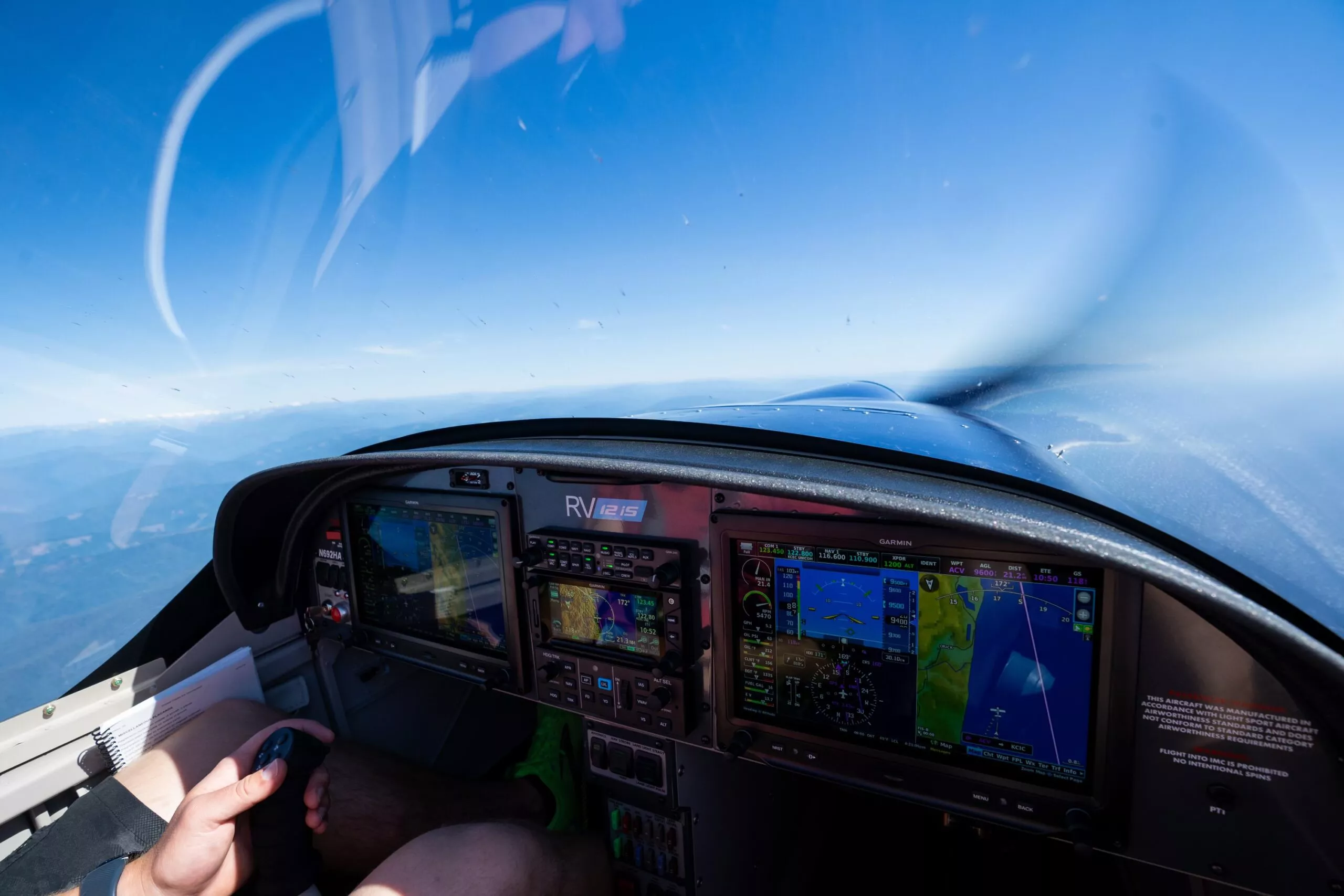
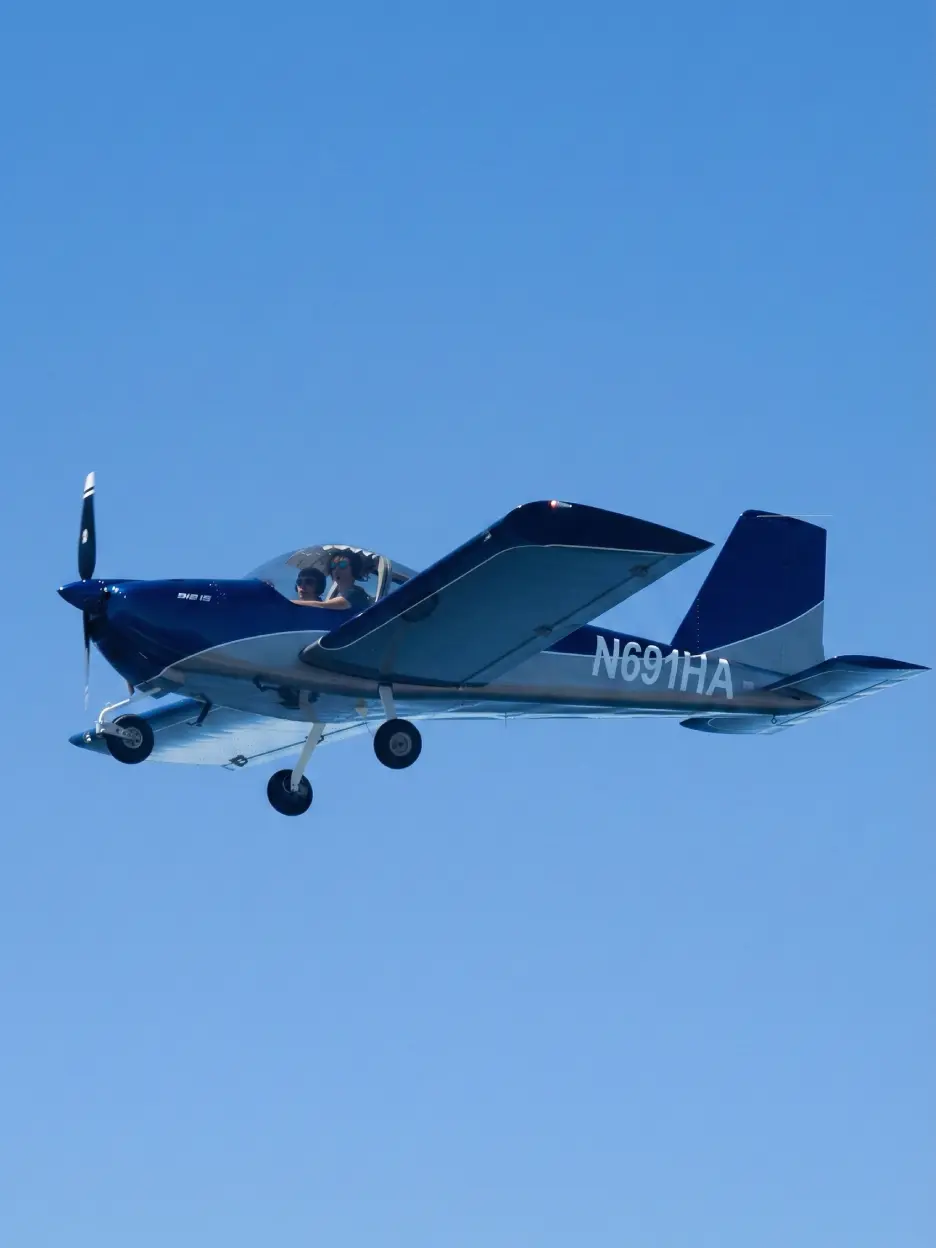
Ask about the specific aircraft you will fly. Our Tupelo fleet features modern Van’s RV-12iST Technically Advanced Aircraft (TAA) equipped with Garmin G3X glass avionics. This ensures you train in modern cockpits with digital flight displays and autopilots, directly matching the technology used in commercial flight decks.
For advanced twin-engine training, our students transition to our Piper Aztec trainer, mastering complex systems and engine-out procedures.
4. Check the Ground School Structure
Students often face delays when flight lessons and ground study are not integrated. If you finish your flight hours but are still preparing for your FAA knowledge tests, your checkride progress pauses.
Our Ground School runs alongside your flight lessons, giving you a structured environment to study weather, navigation, regulations, and systems. This keeps the knowledge and practical flight skills moving together.
5. Review the Base-Specific FAQ Resources
Every training base has local requirements for housing, scheduling, commuting, and checkride examiners. Reviewing these details before you start protects your timeline.
Read our detailed Mississippi Professional Pilot FAQs to review base specific questions and plan your training start at Tupelo.


.CUl5Z40-_Z21BriN.webp)