.CUl5Z40-_Z21BriN.webp)
Modern Capability, Classic Training: Our Piper Cherokee 140 Avionics Upgrade

Published by:
Matt Wilkins
Published on:
Updated on:
Read time:
5 min read
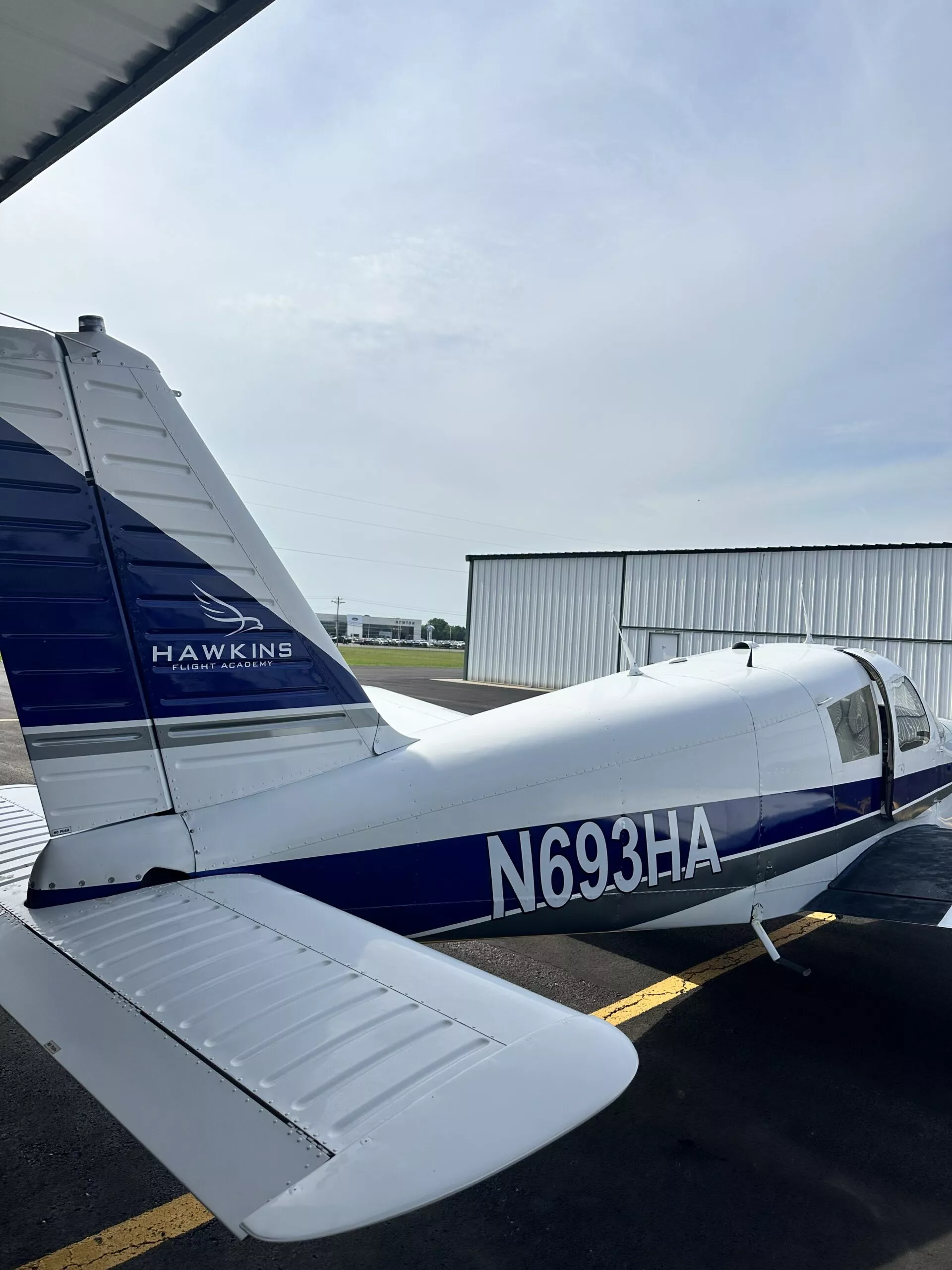
At Hawkins Flight Academy, we believe a great training airplane should prepare students for both the aircraft they’ll fly today and the airplanes they may encounter throughout their aviation careers.
That philosophy is behind the latest avionics upgrade to our legacy Piper Cherokee 140.
Rather than turning the airplane into a full glass-panel trainer, we intentionally took a different approach: preserve the traditional six-pack experience while adding modern Garmin capability and improved redundancy.
Keeping the Traditional Six-Pack
Our Cherokee 140 plays an important role in the Hawkins fleet because it gives students experience in a more traditional training environment.
Many aircraft throughout general aviation still use conventional round instruments, so learning to interpret an airspeed indicator, attitude indicator, altimeter, turn coordinator, heading indicator, and vertical-speed indicator remains valuable.
We wanted to retain that experience.
The upgraded panel continues to present students with the familiar layout and scan associated with a traditional six-pack, making the Cherokee an excellent platform for developing fundamental instrument-reading and aircraft-control skills.
But “traditional” doesn’t have to mean outdated.
Adding a Garmin GI 275 with ADAHRS
The centerpiece of the upgrade is a new Garmin GI 275 equipped with ADAHRS.
The GI 275 brings modern electronic attitude and flight information into the panel while fitting naturally alongside the Cherokee’s legacy instrumentation.
For our students, that creates an excellent bridge between generations of avionics.
They can learn the discipline of flying a traditional instrument panel while simultaneously becoming familiar with the type of electronic flight instrumentation increasingly found throughout the general aviation fleet.
The GI 275’s integrated Air Data, Attitude and Heading Reference System — ADAHRS — also provides modern solid-state sensing technology in a compact package.
Expanding the Radio Stack
We also added a Garmin GNS 430 as the No. 2 COM radio.
That gives the Cherokee additional communication capability while introducing students to another Garmin platform that has been widely used throughout general aviation.
One of our goals at Hawkins is to expose pilots to different generations of avionics rather than training them to operate only one specific panel.
Our students may eventually fly aircraft equipped with everything from classic analog instruments and older-generation Garmin navigators to modern G3X and GTN-equipped Technically Advanced Aircraft.
The Cherokee helps broaden that experience.
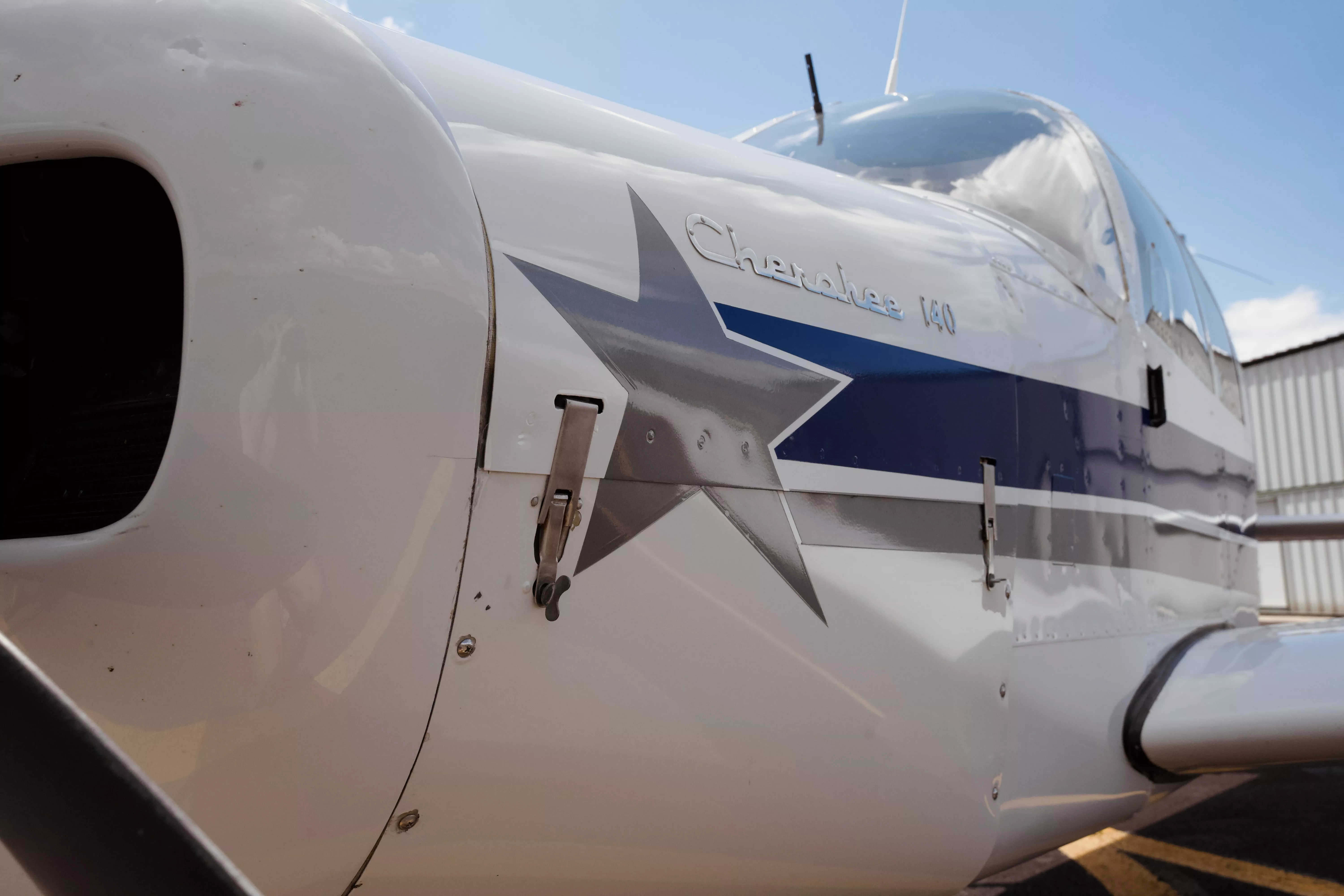
A Different Kind of Trainer in the Hawkins Fleet
Most of the Hawkins Flight Academy fleet represents the modern end of general aviation training.
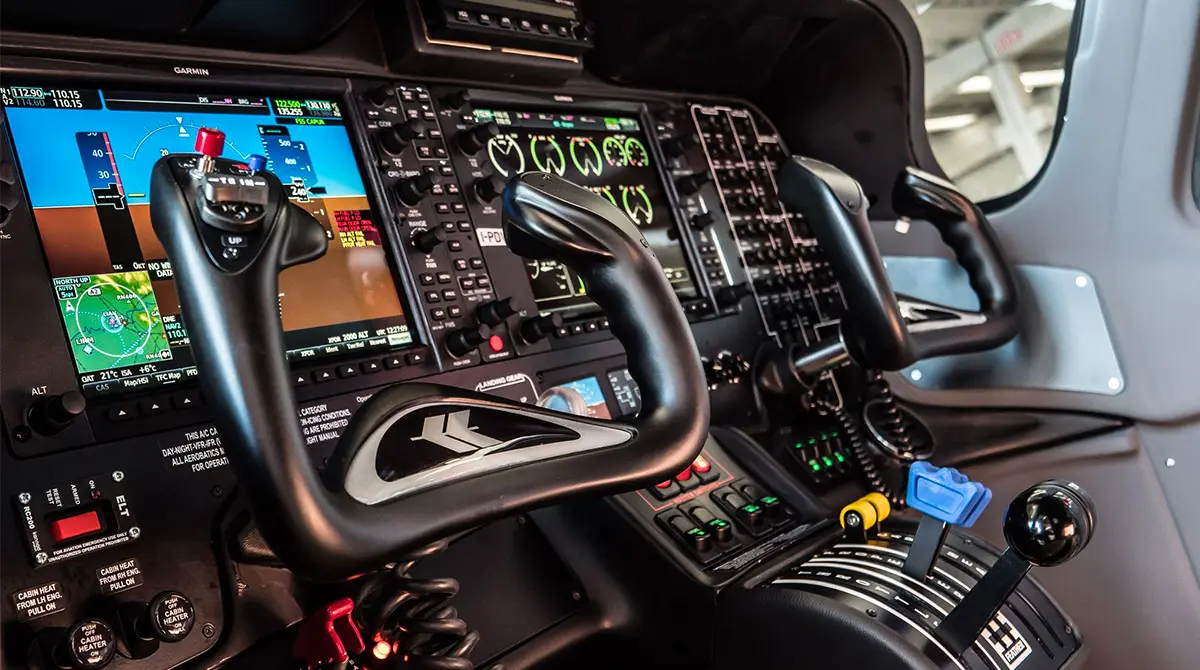
Our newer aircraft feature advanced Garmin avionics, including dual 10-inch Garmin G3X displays, GTN 650Xi navigation, and GFC 500 autopilots.
The Cherokee serves a different purpose.
It gives students the opportunity to develop strong basic instrument skills and experience a legacy aircraft environment while still benefiting from carefully selected modern avionics.
That combination makes the airplane particularly useful as students transition between different types of aircraft and cockpit technologies.
Modern Where It Matters. Traditional Where It Helps.
We didn’t want to remove the character of the Cherokee.
We wanted to improve it.
The result is a panel that still looks and feels like the cockpit of a classic training airplane but incorporates modern technology where it provides meaningful improvements in capability, reliability, redundancy, and training value.
For Hawkins students, that means learning to fly the airplane first, developing a strong instrument scan, and becoming comfortable operating across multiple generations of avionics.
And that is exactly what we wanted this Cherokee 140 to accomplish.
Old-school flying. Modern capability. Better training.