Can You Attend Flight School While Working Full Time?

Published by:
Matt Wilkins
Published on:
Updated on:
Read time:
10 min read
Your work calendar is open on one screen and your flight-training goal is on your mind. Somewhere between meetings, deadlines, and everything waiting at home, you need to find a repeatable daytime training block. The question is whether learning to fly can fit beside the job that pays the bills.
Yes, you can attend flight school while working full time. For many, a flexible Private Pilot program is the practical way to begin. Working students tend to progress when they protect a consistent training rhythm, schedule study time outside the airplane, and choose a program with a pace that fits their lives.
At Hawkins Flight Academy, we offer full-time and part-time Private Pilot scheduling. An accelerated professional program requires a different level of commitment. Before enrolling, identify the training path that suits your objective and the workload your weekly calendar can support.
Start With the Program Instead of an Imaginary Perfect Calendar
“Flight school” can mean one certificate taken around work or a connected career program designed to move quickly through several certificates and ratings. Those are not the same scheduling decision.
If you are starting with a Private Pilot certificate, part-time training can let you continue working and build flying into your existing week. Hawkins students can work with an instructor at a flexible pace, whether the goal is personal flying or a foundation for later training. Our guide for students who are new to flying explains the first steps before the calendar becomes complicated.
An accelerated Professional Pilot Program is more intensive. It connects private, instrument, commercial, multi-engine, and instructor training into a structured path with priority scheduling. Trying to fit that workload around an unchanged 40-hour workweek may create conflict between two full-time commitments.
| Training path | Typical fit with full-time work | What you need to protect |
|---|---|---|
| Private Pilot | Often workable part time | Recurring lesson blocks and study time |
| Instrument Rating | Possible with careful planning | Continuity, procedures practice, and ground preparation |
| Commercial Pilot | Depends on experience and weekly availability | Flight-time plan and consistent proficiency work |
| Professional Pilot Program | Usually requires a larger time commitment | Priority scheduling and a realistic work transition |
Choose the training model before you redesign your life around it. You may be able to start part time, learn how training fits, and make a larger career decision after earning your first certificate.

A Sustainable Week Beats a Heroic Week
The biggest scheduling mistake is building a plan that works only when nothing goes wrong. A late meeting, a sick child, weather, aircraft maintenance, or an instructor conflict can disrupt even a serious student. Your plan needs enough structure to survive a normal adult life.
Start with three blocks:
- Flight lessons: Reserve recurring windows you can reach without racing from work to the airport.
- Ground study: Put reading, knowledge-test preparation, chair flying, and lesson review on the calendar.
- Buffer time: Keep room for weather changes, rescheduling, travel, and rest.
Consistency matters because flying is a perishable skill. When long gaps appear, part of the next lesson may be spent rebuilding comfort and recall instead of moving forward. That does not mean every student needs the same number of lessons per week. It means the best pace is the one you can attend and prepare for repeatedly.
Our flight-training momentum guide goes deeper on continuity, preparation, and recovering from schedule disruptions. Use it to pressure-test your plan before you commit to a pace that looks impressive on paper but fails by week three.
Part-Time Training Changes the Timeline, Not the Standard
A working adult still trains to the same applicable knowledge, experience, and proficiency standards. Under Part 61, an airplane single-engine Private Pilot applicant must log at least 40 hours of flight time, including specific training and solo experience. Forty hours is a regulatory minimum, not a completion promise. Actual training time varies with proficiency, lesson frequency, weather, aircraft and instructor availability, and practical-test scheduling.
Part 61 training can offer more flexibility in scheduling and pacing. Part 141 schools use FAA-approved curricula with structured records and stage requirements, and some approved courses may have lower regulatory minimums. Neither route is automatically better, faster, or cheaper for every student. Our Part 61 versus Part 141 comparison helps you compare structure instead of relying on labels.
For a full-time worker, a generic completion estimate has limited value. Ask instead: How frequently can I train while preserving preparation, sleep, work performance, and family commitments? A personalized schedule built around your real availability will give you a more reliable timeline.
Your Off-Airport Hours Can Make Flight Hours More Productive
Working full time limits your airport hours, so preparation away from the airplane becomes especially valuable. Before each lesson, review the objective, procedures, checklists, and questions you want to resolve. Afterward, write down what went well, what needs practice, and what the instructor expects next.
Do not make the aircraft your most expensive classroom. Ground study cannot replace flight instruction, but it can help you arrive ready to use the lesson well. Chair flying (mentally rehearsing flows, radio calls, and procedures) can also reinforce the sequence between sessions.
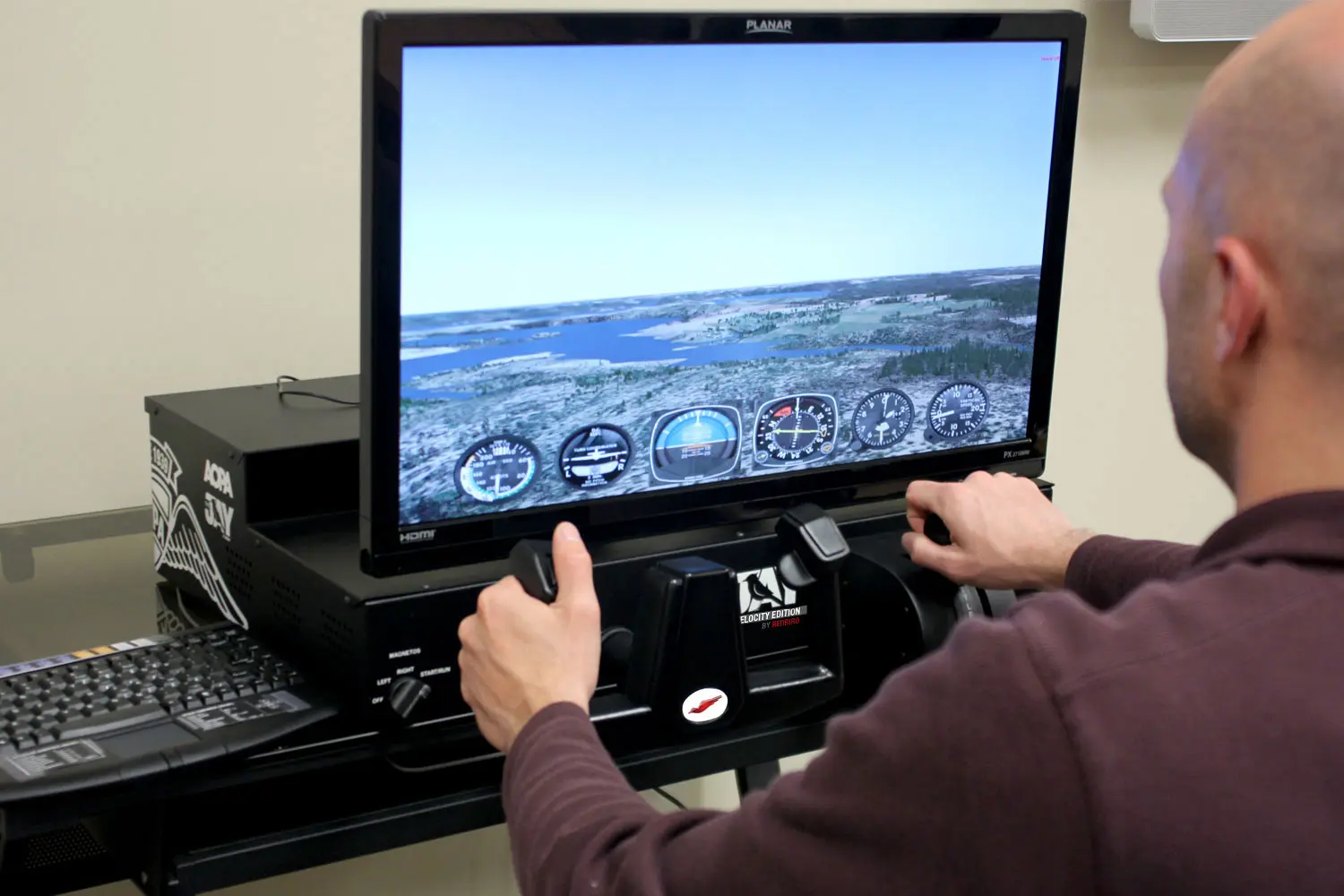
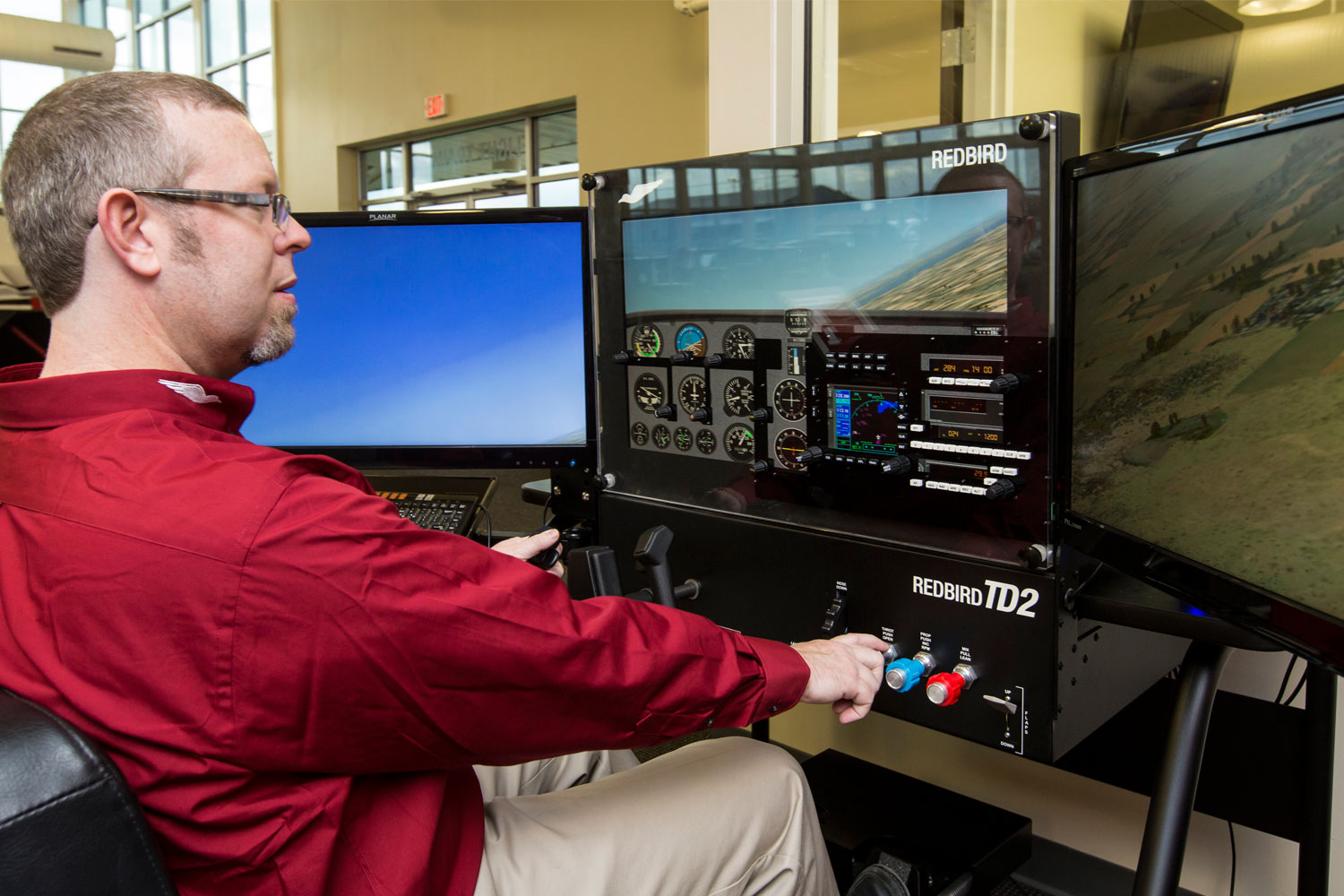
Simulator and ground-training resources can support that preparation when used appropriately. At Hawkins, our training method connects ground knowledge, simulator work, flight lessons, and clear milestones. Every training block should contribute to one coherent learning process, with proficiency taking priority over speed.
Build a Budget That Can Survive the Full Training Plan
Keeping your job may protect household income, but part-time training is not automatically cheaper. Training cost can include aircraft and instructor time, ground instruction, supplies, knowledge and practical tests, medical certification, and additional hours needed to reach proficiency. Longer gaps may also create more review time.
Build a budget around the pace you can sustain, including a margin beyond the FAA minimum or lowest advertised estimate. Your plan should answer:
- How much can you allocate to training each month without interrupting essential obligations?
- Can you maintain the planned lesson rhythm when an unexpected expense appears?
- What costs sit outside the main training estimate?
- Would a slower cash-funded pace or a qualified financing option better protect continuity?
Financing may be available to qualified applicants, while approval, rates, fees, and repayment terms are controlled by the provider. You can explore flight-training financing options and compare those terms with your household budget.
For a broader list of cost variables, read our pilot-training cost guide before you decide how many weekly lessons your budget can carry.
Know When Your Job and Training Goal No Longer Fit Together
Part-time training can be an excellent starting point, but it may not remain the right structure for every stage. If your goal shifts from earning a Private Pilot certificate to completing an accelerated career program, your available time may need to shift too.
Watch for three signals:
- Repeated cancellations: Your work schedule regularly takes priority over booked lessons.
- Preparation debt: You arrive without enough time to study or review.
- Competing full-time demands: An intensive training phase requires more presence than your job allows.
Those signals do not mean you are incapable of becoming a pilot. They mean the current arrangement needs a decision. You might reduce work hours, take planned leave, pause before the next rating, or stay with a flexible personal-flying goal. Our article on professional training versus hourly training can help you compare the tradeoff before making an employment change.
Map the training sequence, medical considerations, household runway, and likely weekly workload before changing the income that supports your training.
Use This Five-Point Test Before You Enroll
Your calendar can be busy, provided it is honest. Before choosing a program, work through this test:
- Define the goal. Are you pursuing personal flying, a first certificate, or a professional career path?
- Mark immovable commitments. Include work, commute, family, sleep, and recovery.
- Reserve recurring training windows. Pick blocks you can protect most weeks and leave backup room.
- Fund the whole rhythm. Budget for lessons, study resources, tests, and normal training variables.
- Set a review point. Reassess after a Discovery Flight, several lessons, or your first certificate before making a larger career change.
Then compare that plan with current instructor and aircraft availability. We serve students from our Shelbyville and Tupelo training locations, and the right schedule depends on the location, program, and resources available when you begin.
A realistic plan should feel demanding but repeatable. If it depends on perfect weather, zero overtime, and endless energy, revise it before aviation starts charging you for the lesson.
Questions Full Time Workers Ask About Flight School
What work flexibility might I need for part-time training?
Our hours are 8:00 a.m. to 5:00 p.m. on weekdays and weekends, so full-time workers may need some flexibility depending on their work schedules. Training at other times may be available by appointment. Contact our team to compare your work commitments with current training availability before choosing a start date.
How long will a Private Pilot certificate take while I work full time?
There is no universal timeline. Your pace depends on proficiency, lesson frequency, preparation, weather, maintenance, availability, and practical-test scheduling. Start with the Private Pilot program and build a personalized schedule instead of planning around a guaranteed date.
Is Part 61 better for a full-time worker?
Part 61 can offer more scheduling and pacing flexibility, which may suit working adults. Part 141 provides an FAA-approved structured curriculum. The better fit depends on your goal, funding, learning style, and available schedule; compare both in our Part 61 and Part 141 guide.
Can ground school fit around a work schedule?
Often, yes. Ground study can be planned outside flight lessons, but it still requires protected time and steady effort. Review ground school options and include study blocks in the same calendar as your flights.
Does working full time make flight training more affordable?
Keeping income can support your household plan, but total training cost still varies. Compare your sustainable lesson pace, the risk of long gaps, and available financing resources rather than assuming part-time training will cost less.
Put Your Real Calendar Next to a Real Airplane
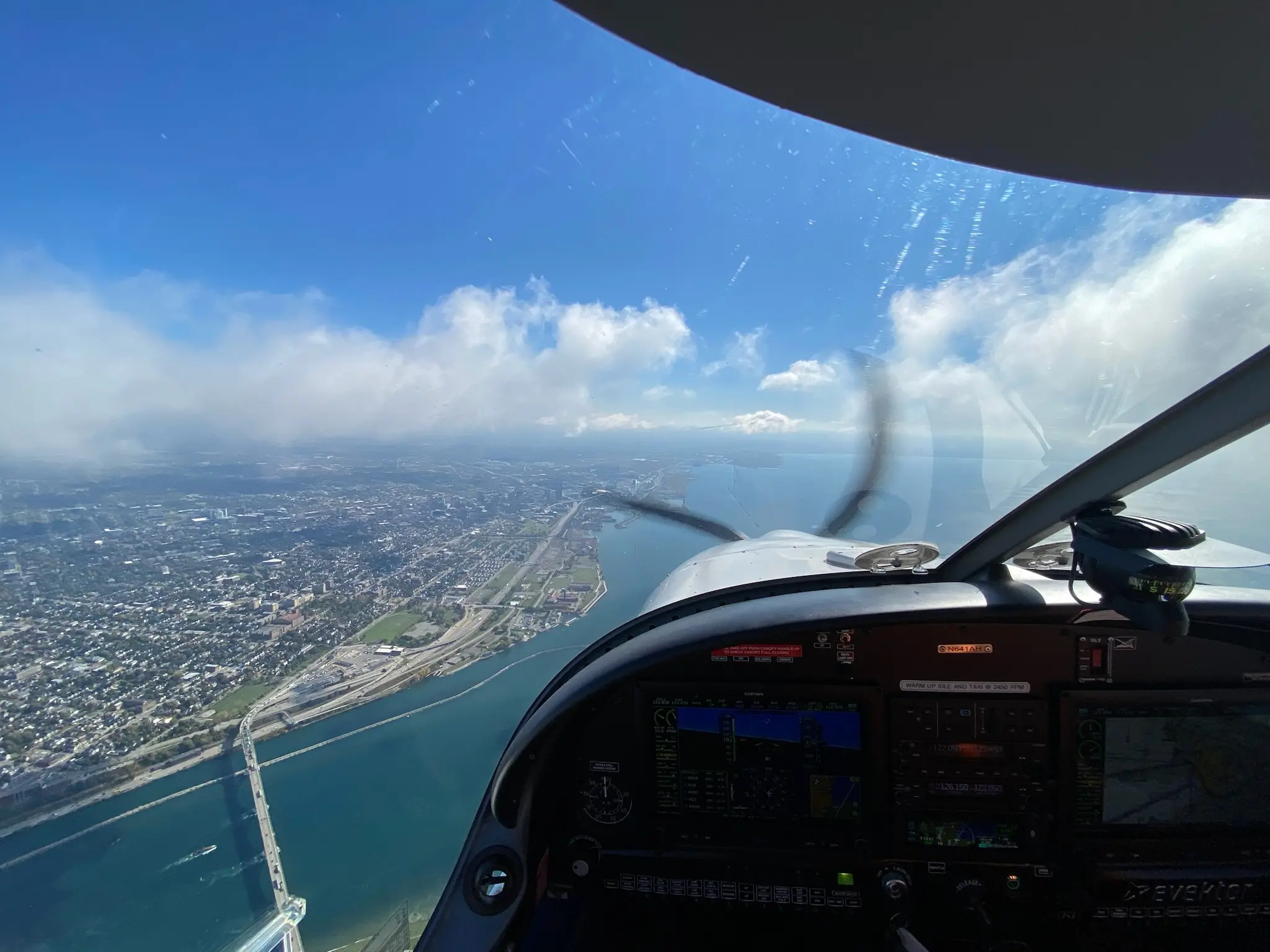
You can plan flight school while working full time, but the decision becomes clearer when the calendar meets the cockpit. A first flight lets you experience the training environment, talk through your goal, and see whether this is a commitment you want to protect week after week.
Book a Discovery Flight at Hawkins Flight Academy. Bring your work schedule, your questions, and the goal that keeps pulling your attention toward the sky. We will help you identify the next practical step.


.CUl5Z40-_Z21BriN.webp)