Flight School in Shelbyville TN: 2026 Training Guide

Published by:
Matt Wilkins
Published on:
Updated on:
Read time:
9 min read
If you are searching for a flight school Shelbyville TN or comparing pilot training Tennessee options, the real question is not just where to fly. The better question is what your first months of training should look like, what can slow you down, and what you should confirm before you enroll.
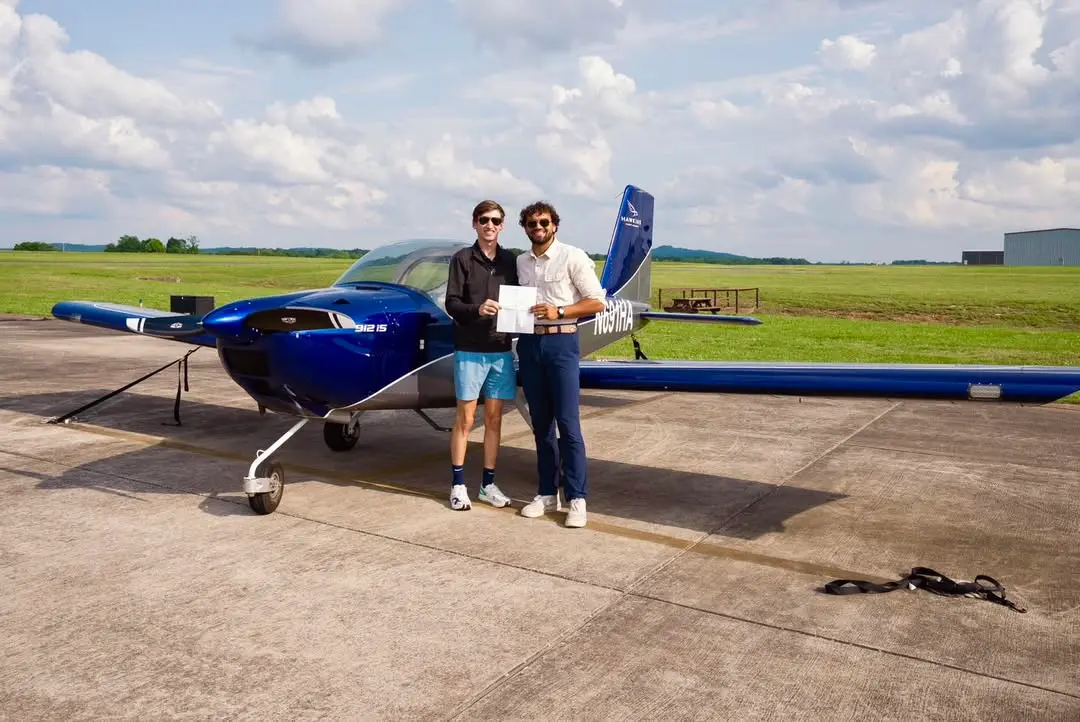
Hawkins Flight Academy trains students at Shelbyville Municipal Airport (KSYI) in Shelbyville, Tennessee. For a new student, that means your first step can be practical and local: visit the airport, meet the team, take a Discovery Flight, and map the right training path before you commit to a full program.
This guide explains what to expect in 2026, including first lessons, certificates and ratings, medical steps, cost questions, aircraft, simulators, and the questions that protect your time and budget.
Start With the Question Behind “Flight School Near Me”
When people type flight school near me, they are usually trying to solve a bigger problem. They want to know if flying is realistic, how much time it will take, whether they can afford it, and whether the school will give them a clear path instead of scattered lessons.
A good first conversation should answer five questions: What certificate or rating fits your goal? How often can you train? What aircraft and instructor availability should you expect? What costs are included and excluded? What needs to happen before solo flight?
That is why a local Shelbyville post should not promise that every student finishes on the same timeline. Flight training depends on your schedule, weather, aircraft availability, instructor availability, checkride readiness, and your own proficiency. The right school helps you plan around those variables instead of pretending they do not exist.
What Your First Flight Should Include
For most new students, the cleanest first step is a Discovery Flight. No prior flight experience is required for this introductory lesson at Hawkins.
The current Discovery Flight page describes the experience as a 1 to 1.5 hour visit that includes a pre-flight briefing, roughly 30 to 45 minutes of hands-on flight time, and a post-flight discussion. You are not expected to know aviation terms before you arrive. The point is to feel the cockpit, ask questions, and decide whether training fits your goals.
Use that first visit to look past the excitement. Ask what your next three steps would be if you decide to continue. Ask how scheduling works. Ask which aircraft you may train in. Ask when you should start the FAA medical process. You should leave with more than a memory. You should leave with a plan.
Know the Training Path Before You Pick a Program
Aviation has specific words for each step. A Private Pilot Certificate is often the foundation. An Instrument Rating is added to a pilot certificate and helps qualified pilots operate under Instrument Flight Rules. A Commercial Pilot Certificate allows certain flying for compensation or hire, but specific jobs may require more ratings, company training, insurance requirements, or experience.
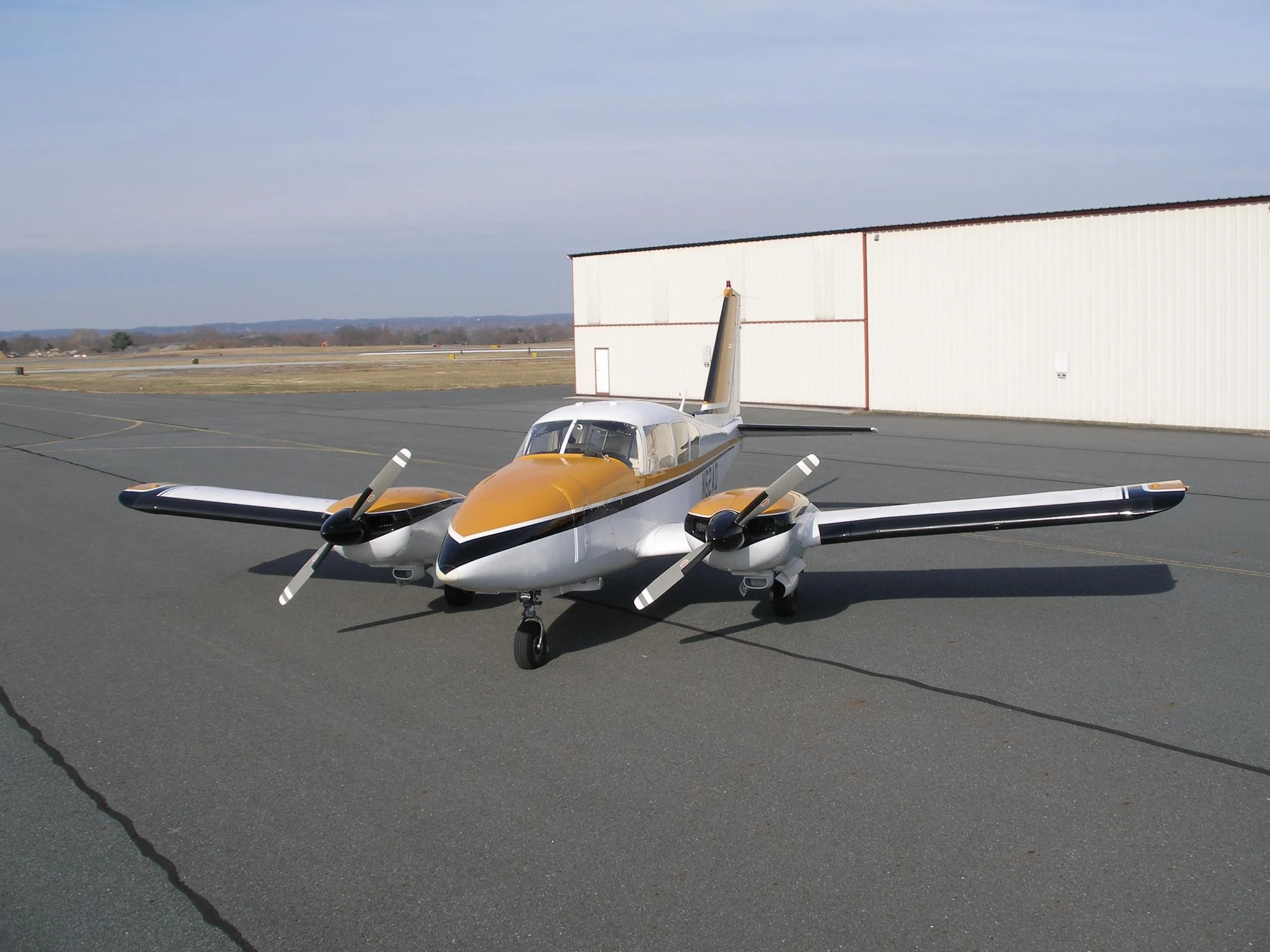
A multi-engine rating is not a separate certificate. It adds airplane multiengine privileges to a pilot certificate. CFI means Certified Flight Instructor. Many career-track students pursue instructor credentials so they can teach while building experience.
Hawkins lists training paths that include Private Pilot, Instrument Rating, Commercial Pilot, Multi-Engine Rating, CFI, and Professional Pilot programs. The right path depends on your goal.
Common Training Paths at a Glance
| Goal | Likely Starting Point | What to Ask |
|---|---|---|
| See if flying is right for you | Discovery Flight | What happens after the first flight? |
| Fly for personal travel or recreation | Private Pilot training | How often should I fly each week? |
| Build weather and cross-country confidence | Instrument Rating after Private Pilot | How are aircraft and simulator sessions used? |
| Pursue paid flying | Commercial Pilot after required experience | What does the full cost estimate include? |
| Move through a career sequence | Professional Pilot path | What is included, excluded, and variable? |
Under Part 61, the FAA minimum for a private pilot airplane single-engine land applicant includes at least 40 hours of flight time. That number is a minimum, not a promise. Actual completion time varies by student readiness, training consistency, weather, aircraft availability, and checkride preparation.
If a school only talks about minimums, ask what happens when you need extra practice. A serious plan should leave room for proficiency, not just paperwork.
Handle Medical Questions Early
You do not need a student pilot certificate just to take flight lessons with an instructor. You will need one before solo flight. Most airplane students should also address medical certification early, because a medical certificate is generally needed before solo unless another FAA-recognized qualification applies.
For many private or student pilot privileges, a third-class medical certificate is generally sufficient. Commercial privileges generally require at least a second-class medical. Personal eligibility questions should go to an Aviation Medical Examiner, often called an AME.
This matters because medical questions can affect your training plan. If you have a medical history, medication question, or concern about eligibility, do not guess. Ask an AME before investing heavily.
What to Expect From the Shelbyville Training Environment
Hawkins’ Shelbyville campus gives Middle Tennessee students a local training base at Shelbyville Municipal Airport. That local access matters because consistency is one of the biggest drivers of progress. The easier it is to get to the airport, the easier it is to train often enough to retain what you learn.
It is fair to compare Shelbyville with busier metro-area options, but avoid any school that promises you will never wait, never cancel, or always fly on schedule. Airport traffic, weather, maintenance, instructor scheduling, and aircraft availability can affect every flight school.
A better way to evaluate a location is to ask practical questions: How far is the commute? What are typical lesson windows? How does the school handle weather days? How many aircraft are active for your program? How far ahead should you schedule?
Modern Aircraft Help You Learn More Than Stick and Rudder
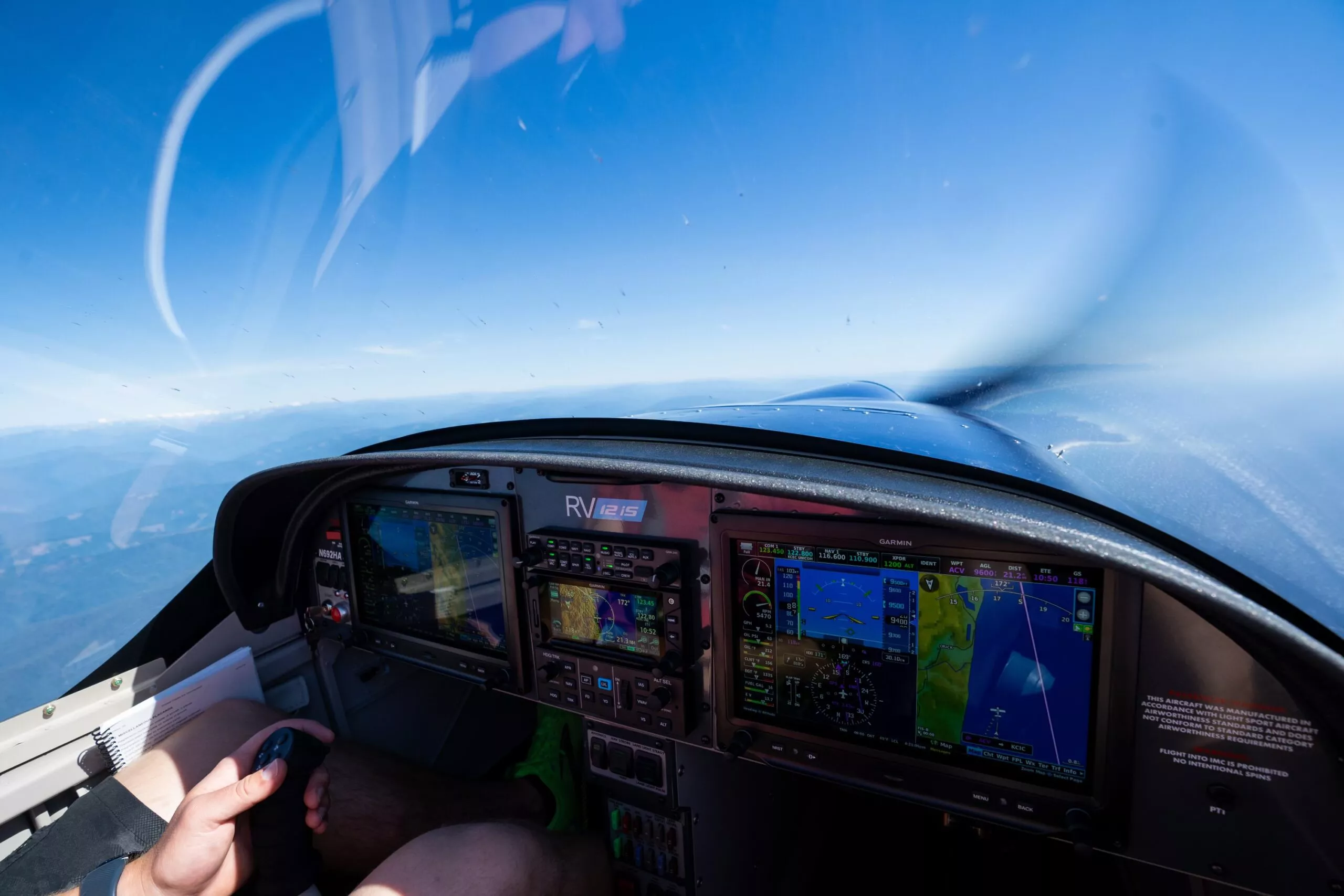
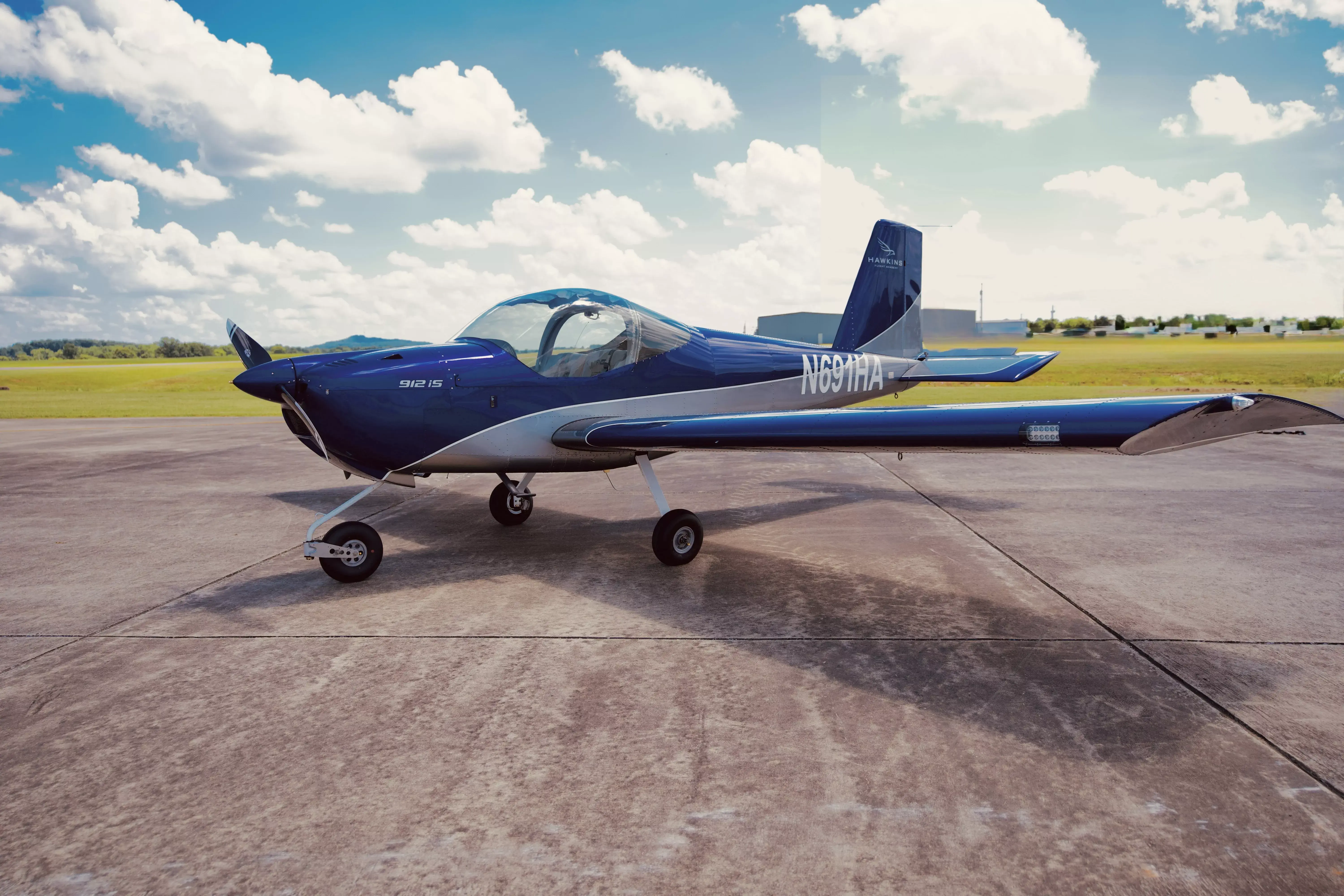
The Hawkins fleet content lists several RV-12 aircraft with Garmin G3X Touch avionics and Rotax 912iS engines. That is useful for students because modern displays can help you learn cockpit information management early.
The benefit is not that glass cockpits automatically make training safer or that they are identical to airline flight decks. The benefit is familiarity. You learn to scan information, understand navigation data, manage avionics, and keep your attention where it belongs: flying the aircraft.
If you are comparing schools, ask which aircraft you will actually use for your program. Also ask how aircraft differences affect cost, scheduling, and training goals. A modern cockpit is valuable only when the instruction teaches you how to use it well.
How Simulators Fit Into the Decision
Hawkins lists Redbird simulator options, including MCX, TD2, and J models. Simulators can help students practice procedures and scenarios on the ground before applying them in the aircraft.
For a Shelbyville student, the key is to ask how simulator sessions fit your specific plan. Are they used for procedure practice? Instrument training? Ground school support? Weather-day training? Instructor-led sessions? Independent practice?
Do not assume any simulator hour automatically counts toward a certificate or rating. FAA credit depends on the exact device, authorization, training use, and rule involved. Ask Hawkins which sessions are loggable for your certificate or rating and how they apply to your training record.
Cost Clarity: What Students Should Ask Before Enrolling
Flight training is a major investment. The safest way to discuss cost is to separate known prices from variables. Ask our team for current Professional Pilot Program tuition and a breakdown of the package you are considering.
Along with the tuition quote, ask what is included, what is excluded, and what happens if extra training is needed. FAA minimum hours are not guarantees of completion time or cost.
A good cost conversation should cover aircraft time, instructor time, ground instruction, books and supplies, medical exam costs, FAA knowledge test fees, practical test or examiner fees, aircraft rental for the checkride, retest costs, simulator use, and whether any housing or transportation costs apply.
Questions That Protect Your Budget
| Ask This | Why It Matters |
|---|---|
| What is included in the quoted program price? | Prevents confusion about aircraft, instructor, ground, and testing costs. |
| What is not included? | Shows whether medical, supplies, checkride, retest, or extra-hour costs are separate. |
| What happens if I need more hours? | FAA minimums do not guarantee proficiency. |
| How often should I fly? | Training gaps can increase review time and total cost. |
| What financing options may be available? | Helps qualified applicants plan without assuming loan approval. |
Financing options may be available to qualified applicants through partners listed on Hawkins’ financing page, including Stratus Financial and AOPA Finance. Lender terms, eligibility, fees, and approval are third-party details, so verify them directly before making a training decision.
Ground School Is Where Many Students Gain or Lose Momentum
Flight training is not only aircraft time. You also need aeronautical knowledge: weather, regulations, airspace, navigation, aircraft systems, performance, weight and balance, and decision-making.
Hawkins’ current Ground School page lists a 14-week in-person course priced at $499.99. For students who struggle with online videos, in-person instruction can make hard topics easier to ask about and apply.
Be careful with guarantee language. The safer question is practical: What does the course include, who teaches it, how do make-up sessions work, and how does it prepare you for the FAA knowledge exam and real cockpit decisions?
What to Ask Before You Choose a Shelbyville Flight School
Use your first call or airport visit to test whether the school can explain the path clearly. You are not looking for pressure. You are looking for structure.
| Decision Area | Question to Ask |
|---|---|
| First step | Should I start with a Discovery Flight or a program consultation? |
| Schedule | How many lessons per week do you recommend for my goal? |
| Aircraft | Which aircraft will I use, and how does that affect training cost? |
| Instructor fit | How are instructors assigned, and can I meet them first? |
| Weather and cancellations | What happens when a lesson cannot fly? |
| Medical | When should I talk with an AME? |
| Next milestone | What should I complete before solo? |
The right answer is not always the fastest path. The right answer is the path that fits your goal, schedule, budget, and readiness.
FAQ: Flight Training in Shelbyville, TN
Do I need experience before a Discovery Flight?
No. Hawkins’ Discovery Flight is designed for people with no prior flight experience. It includes a briefing, hands-on flying, and a post-flight discussion.
Do I need a student pilot certificate before lessons?
No. You do not need a student pilot certificate just to take lessons with an instructor. You need one before solo flight.
How many hours does a Private Pilot Certificate require?
Under Part 61, the FAA minimum for an airplane single-engine land applicant includes at least 40 hours of flight time. Your actual hours may be higher because completion depends on proficiency and consistency.
Is an instrument rating a certificate?
No. An instrument rating is added to a pilot certificate. It expands the conditions under which a qualified pilot may fly.
Can simulator time count toward my training?
It may, but it depends on the device, authorization, rating or certificate, and how the session is conducted. Ask Hawkins exactly which simulator sessions are loggable for your plan.
Does Hawkins offer financing?
Hawkins lists financing options through Stratus Financial and AOPA Finance. Financing may be available to qualified applicants, and students should verify current lender terms directly.
What is the best first step if I am comparing flight schools near Shelbyville?
Book a Discovery Flight or schedule a visit. Bring questions about program path, schedule, aircraft, cost, medical steps, and what happens before solo.
Your Next Step in Shelbyville
A good flight school should make the next step clear. If you are new to flying, start with one guided experience before making a larger training decision.
Book a Discovery Flight at Hawkins Flight Academy in Shelbyville. You will meet the team, see the training environment, take the controls with an instructor, and leave with a clearer plan for your aviation goals.


.CUl5Z40-_Z21BriN.webp)