Matt Wilkins on The Aviation Business Podcast: Hawkins' Model

Published by:
Matt Wilkins
Published on:
Updated on:
Read time:
9 min read
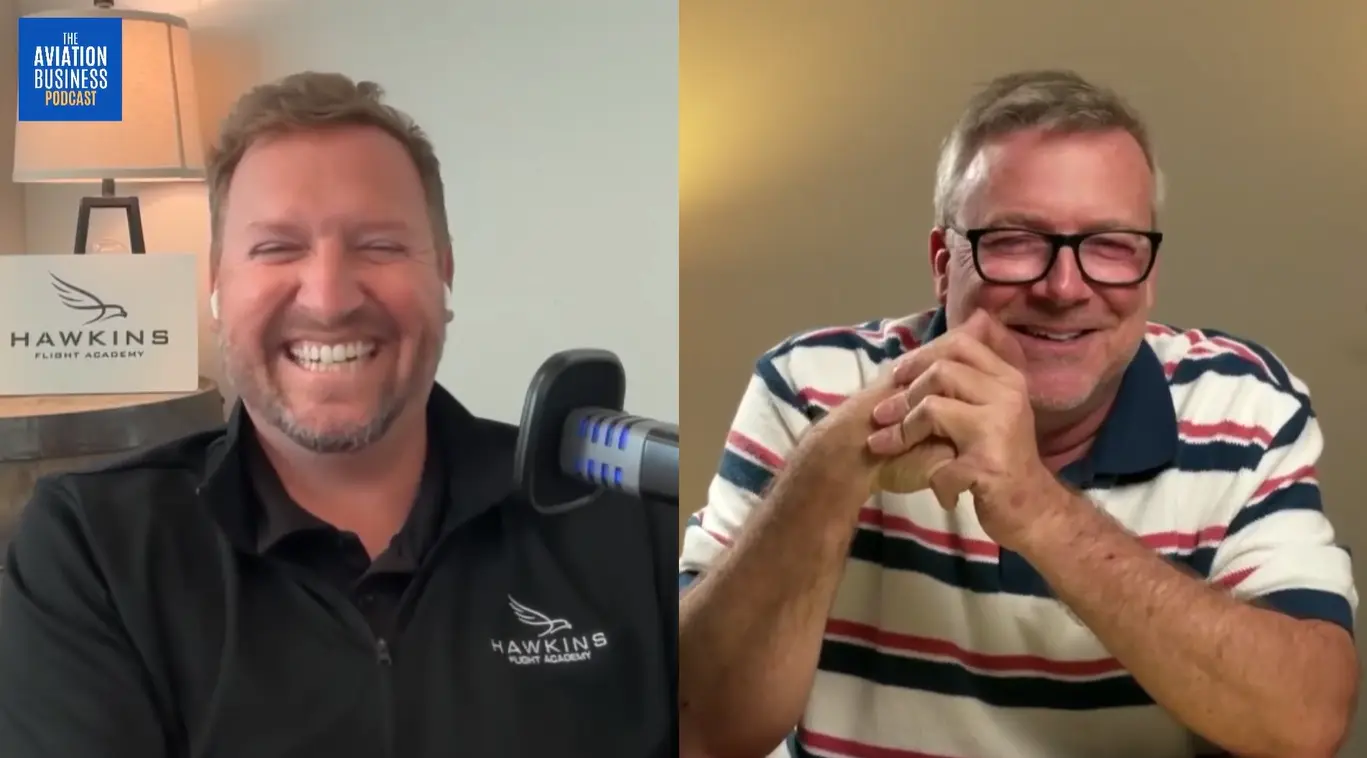
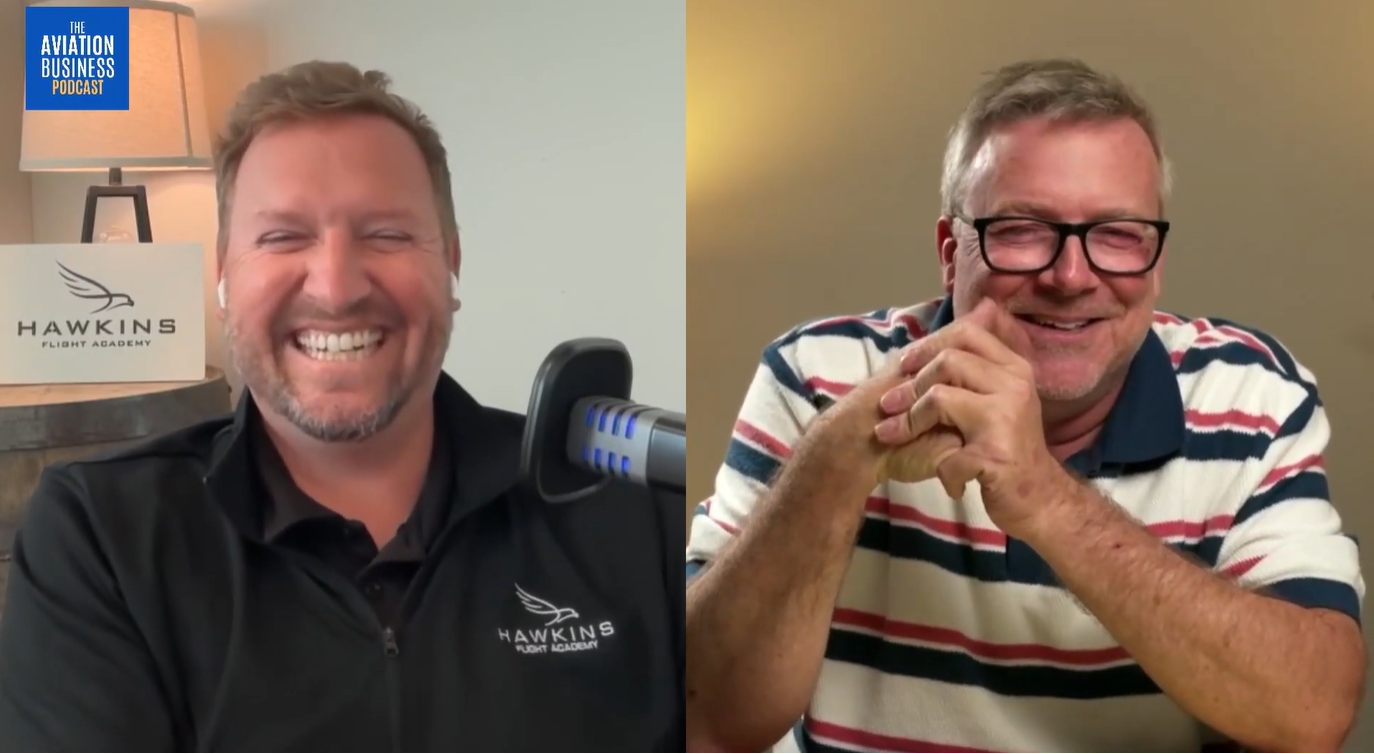
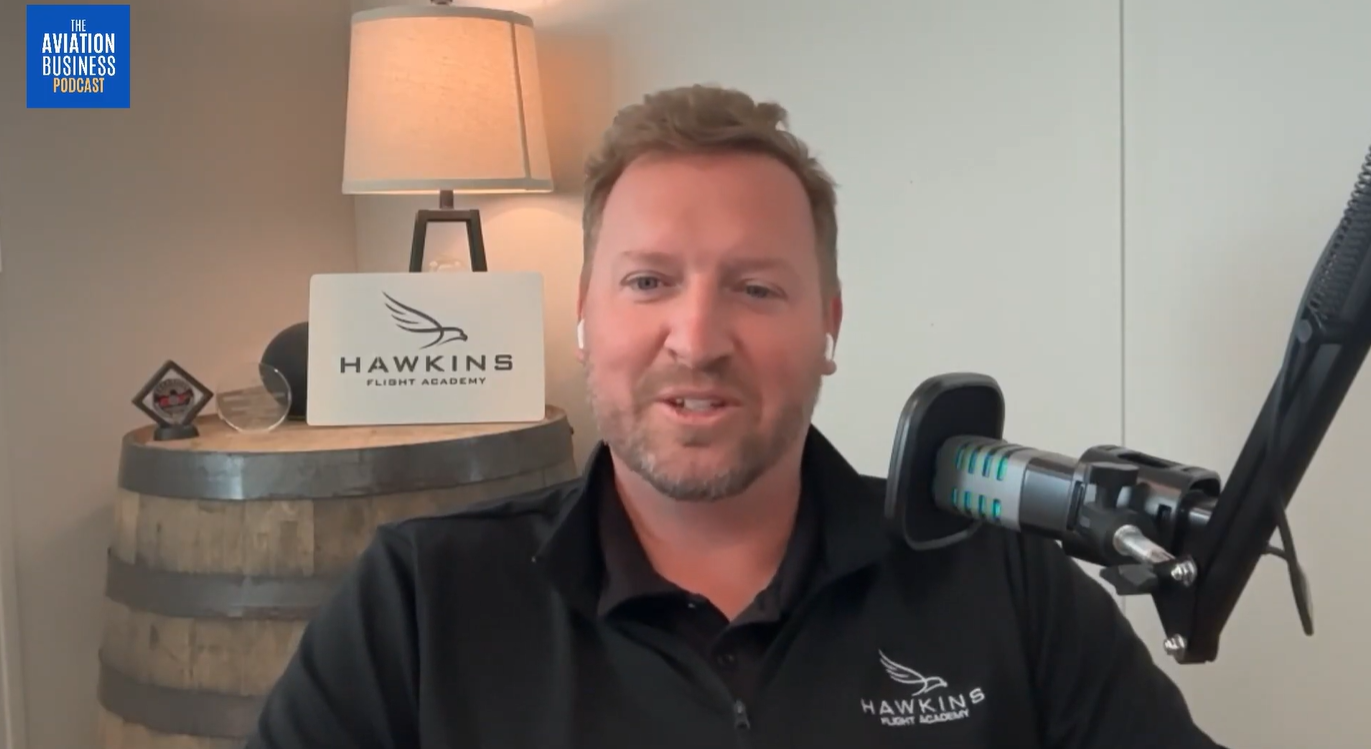
If you have ever felt the frustration of starting flight training with high hopes, only to stall when hourly costs and lesson paths get confusing, you are not alone. I know that feeling because I lived it during my own flight training. I recently sat down with Dan Gill on The Aviation Business Podcast to share how we solved that problem at Hawkins Flight Academy. You can read the recap that Right Rudder Marketing posted, or you can watch our full conversation in the video embedded below.
Our discussion focused on the core structure that helps you cross the finish line: program-based pricing, standardized aircraft, cross-country adventure flights, and modern certification rules. Let’s walk through each of these differences and look at how they keep your aviation goals within reach.
How Program-Based Pricing Keeps Your Training on Budget
I know what it feels like to stop flying because the path becomes unclear. I earned my private pilot certificate at Auburn, began instrument training, then had to step away because the cost and next steps no longer felt manageable.
That experience shaped how we support you today. You should not have to guess whether you can finish before you commit. When we discuss our Professional Pilot Program with you, we can walk through current tuition and what each package includes. That conversation helps you build a training budget before you enroll.
Our program-based training changes the relationship between you, your instructor, and the school. Everyone is focused on your completion. Your lessons are not just separate line items. They are steps in a larger plan, supported by scheduling, ground training, simulators, aircraft availability, and clear milestones.
Financing also deserves a serious conversation because flight training is a major investment. Our financing options include Stratus Financial and AOPA Finance for qualified applicants, so you can review funding before training gaps create skill loss.
During the podcast, I shared that every student who enrolled in our program through that point had completed it. While that was a result from our early years, the real lesson is the structure behind it. Clear cost, clear milestones, and consistent training give you a better chance to stay moving toward your goals.
Why Training in Standardized RV-12 Cockpits Saves You Flight Hours
One reason you might slow down at some schools is constant change. One airplane has one radio stack. Another trims differently. A third has a different cockpit setup. Every change takes your time and attention away from learning the actual skill.
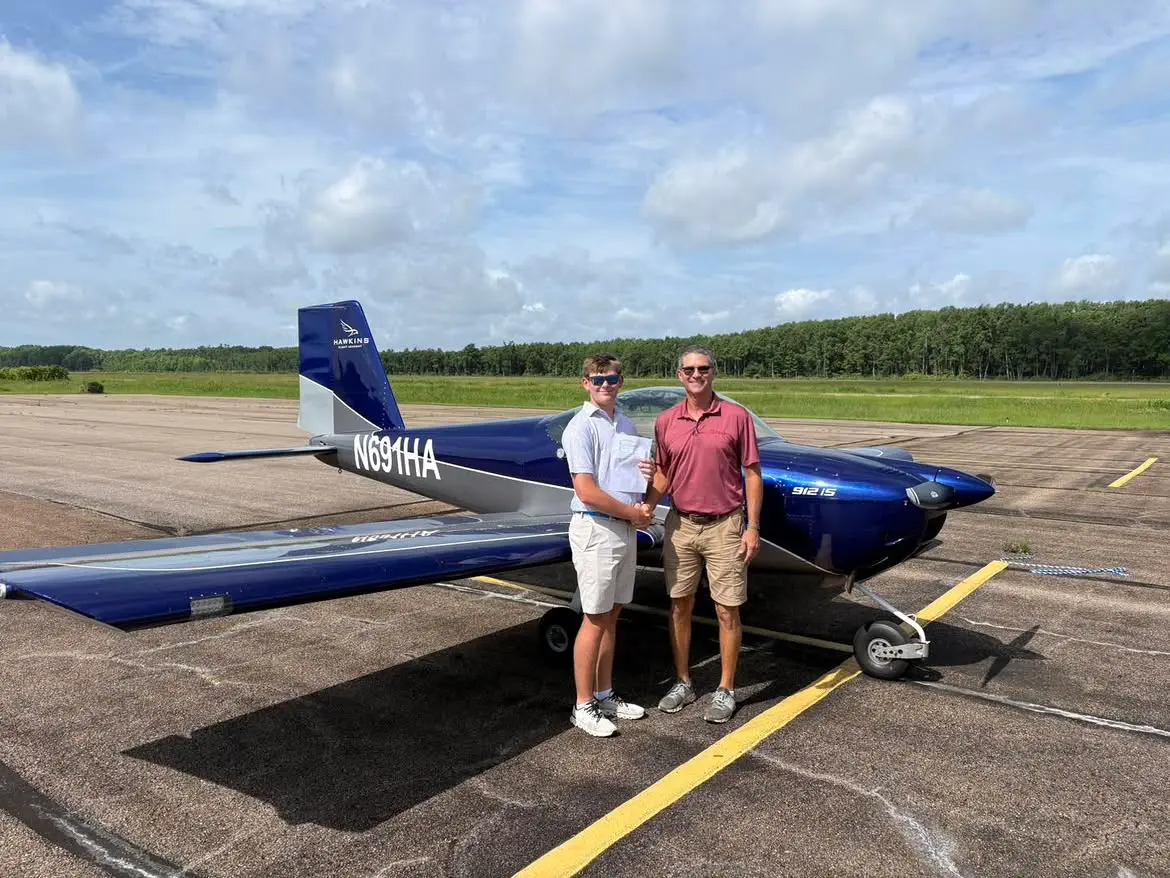
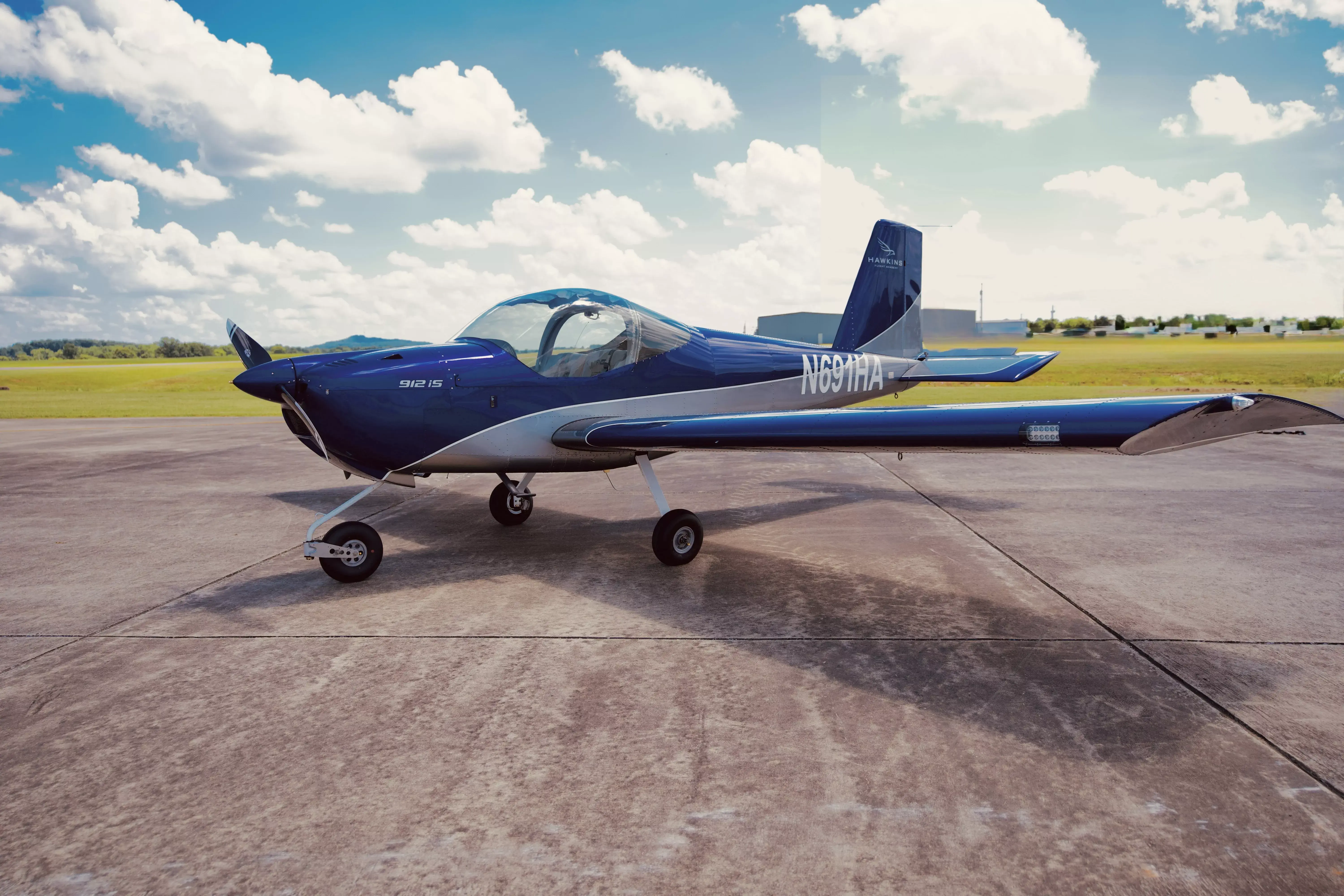
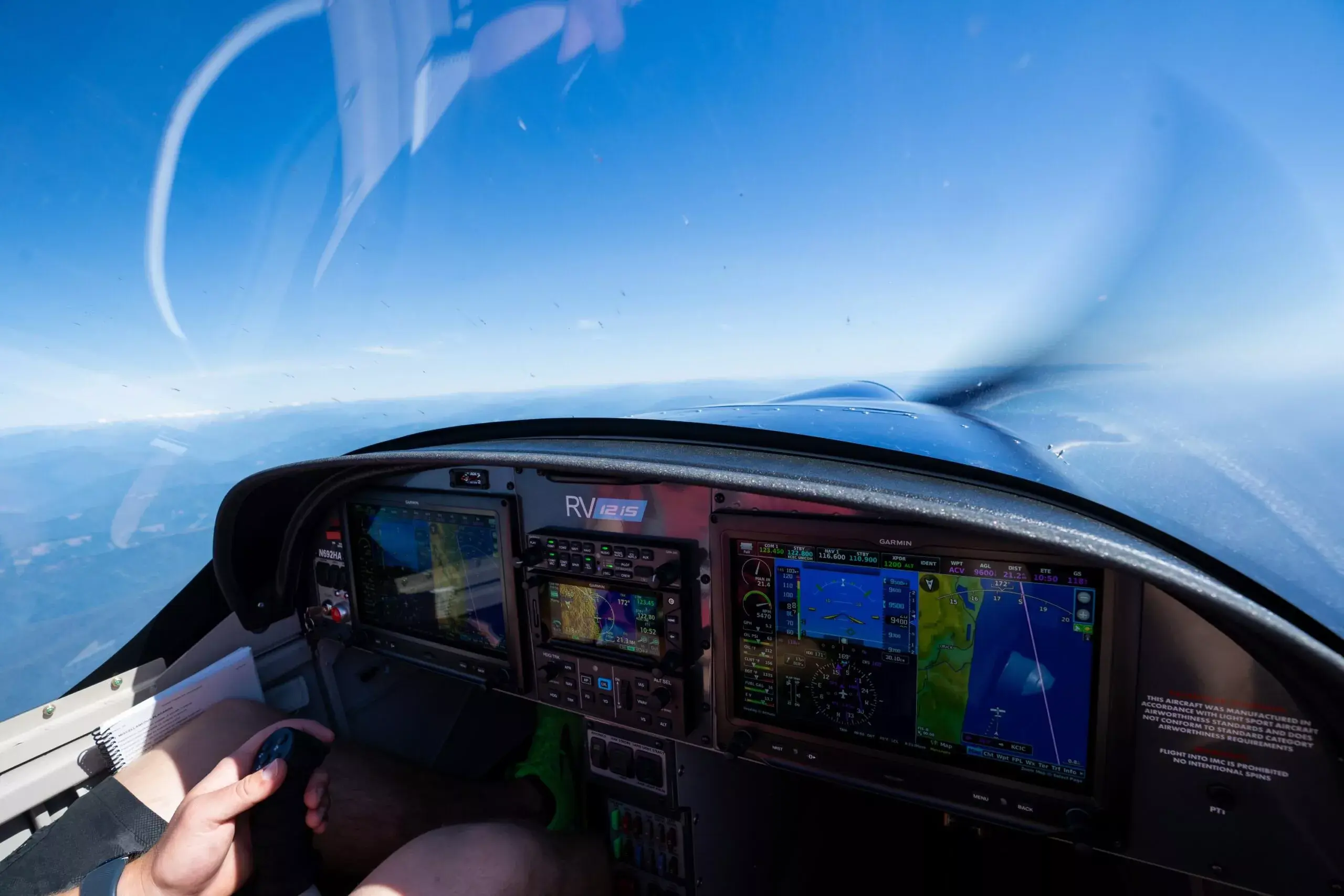
Our training fleet is built around standardization. The RV-12iST gives you a standardized, modern training environment with Garmin glass-cockpit avionics. This standardized model helps you move between familiar aircraft instead of starting over with a new cockpit every time a tail number changes.
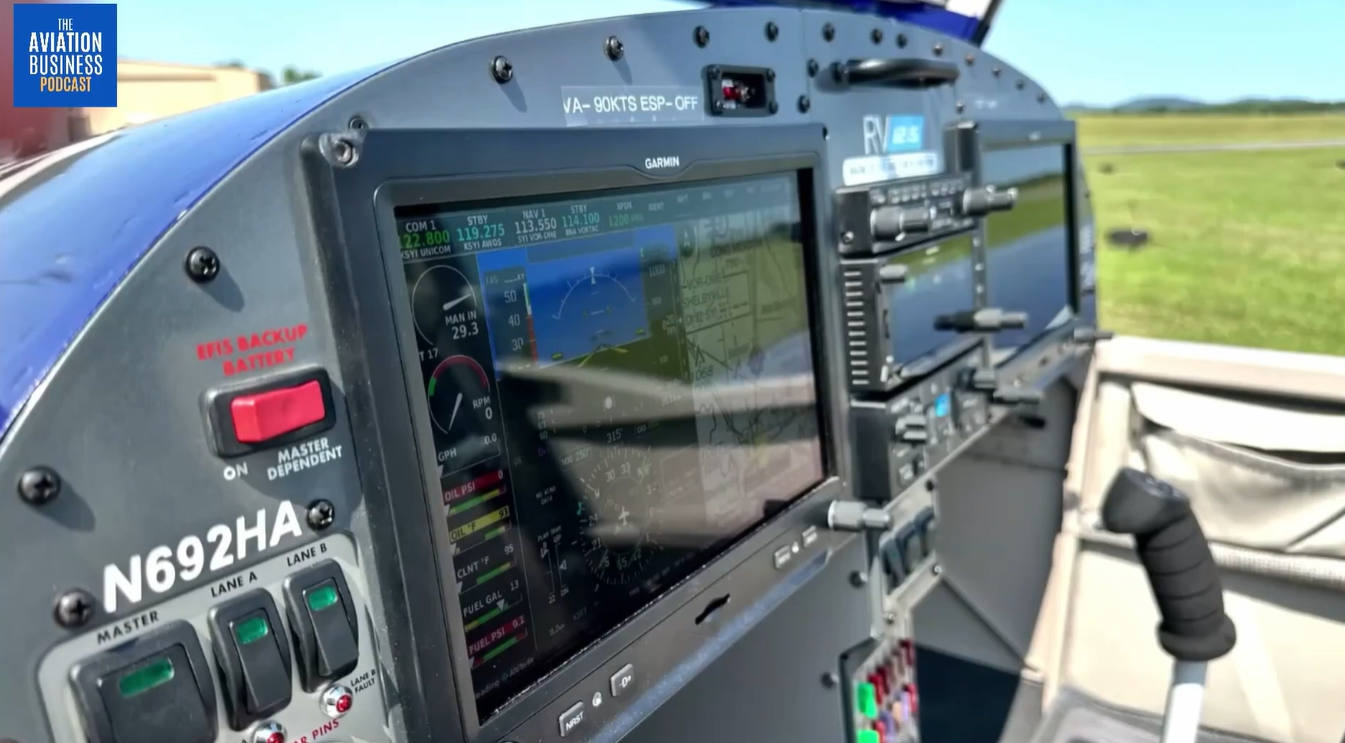
During our talk, I explained the operating math behind that choice. The RV-12 burn rate is 3.1 gallons per hour, compared with a Cessna 172 at roughly 9 to 10 gallons per hour. That matters because operating cost directly affects how we design our programs and how you plan your training budget.
Our aircraft choice is not just about fuel. The RV-12 uses responsive controls, a modern panel, and consistent equipment across our entire fleet. You build habits in one cockpit and carry them directly into your next lesson.
We also keep legacy aircraft in our training mix where they belong. The goal is not to pretend one airplane solves every training need. The goal is to use the right aircraft for the right phase, so your private pilot, instrument rating, commercial, and advanced training build on each other.
How Cross-Country Adventure Flights Build Your Real-World Piloting Confidence
Training cannot be only checklists, maneuvers, and local patterns. Those matter, but you also need reminders of why you started. A student who never flies anywhere meaningful can start to see the airplane as a classroom with wings instead of a tool for real travel.
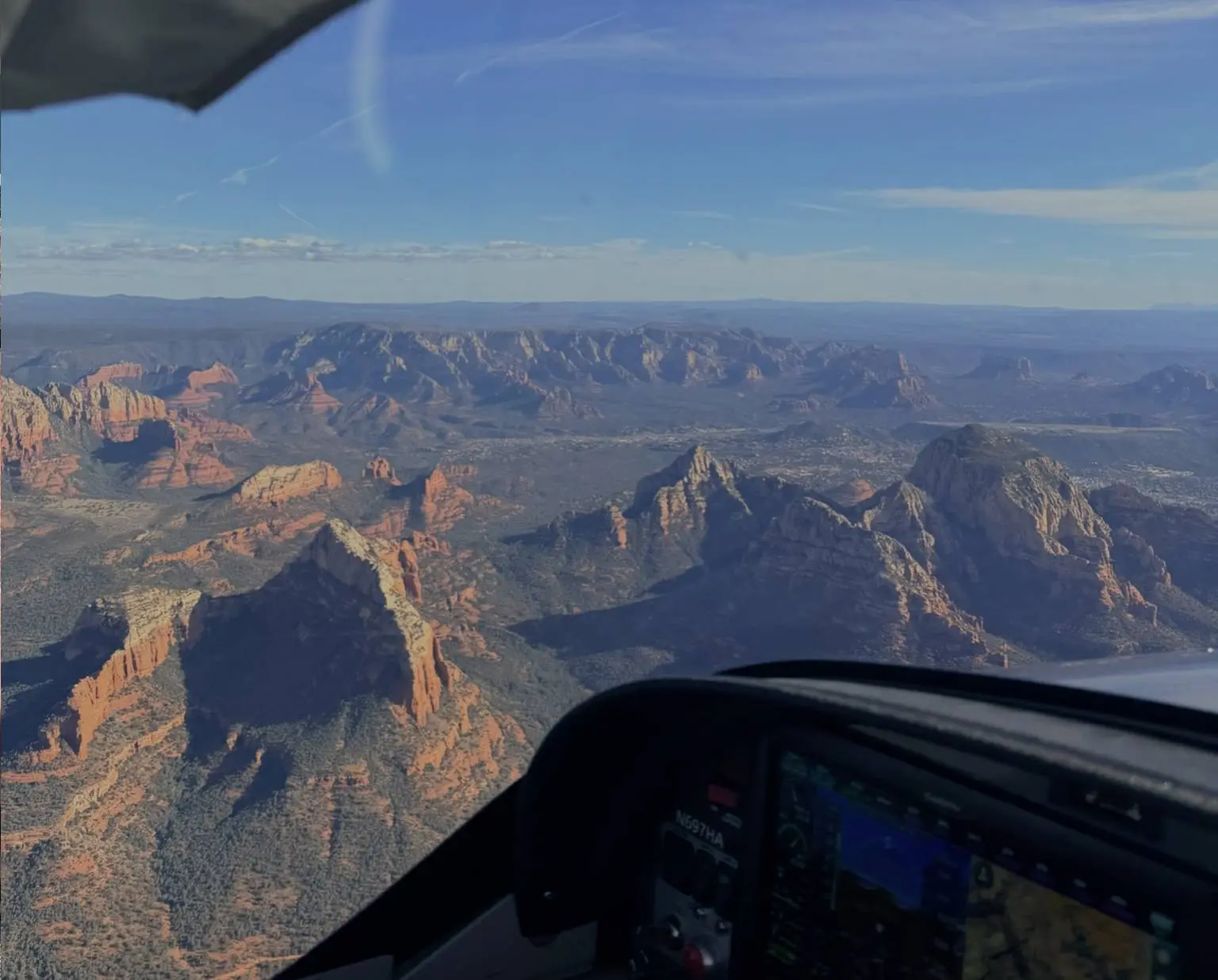
That is why we look for special opportunities to invite students on Adventure Flights. For instance, when we picked up new RV-12 aircraft from the Van’s Aircraft factory in Aurora, Oregon, we turned the delivery into a unique learning experience. It is not an everyday flight or a standard daily requirement, but rather a special chance to experience real-world cross-country planning, mountain flying, airspaces, and decision-making.
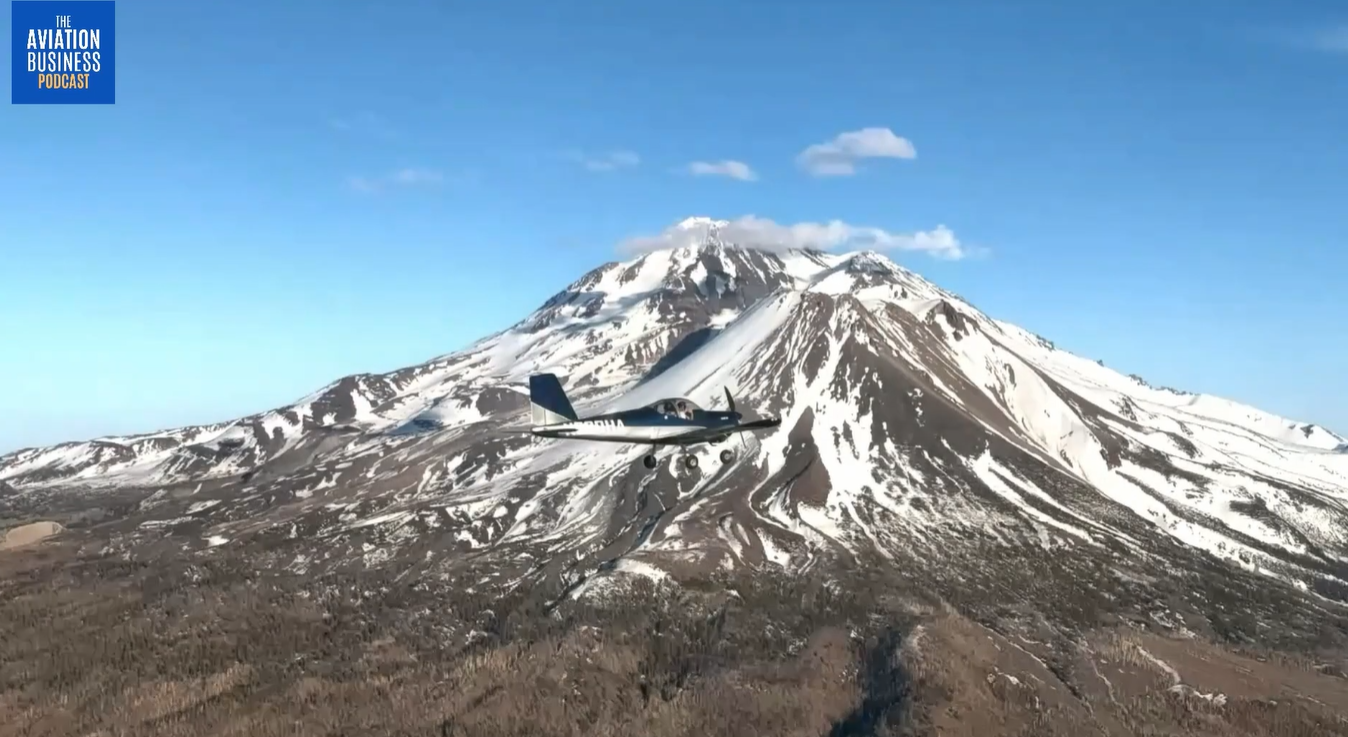
The route I described on the podcast included places you will remember forever: the California coast, Las Vegas, the Grand Canyon, Sedona, and the long push back east. While a coast-to-coast flight is a unique, once-in-a-career kind of adventure, it highlights the kind of real-world experience we offer to build your confidence and remind you of what is possible when you get your certificate.
We have written before about our Oregon-to-Tennessee ferry flight because it shows the larger point. Real cross-country flying teaches you planning, judgment, and confidence. It also keeps your motivation alive during the harder parts of training.
Your first step does not have to be a coast-to-coast trip. Many of our students begin with a Discovery Flight and a local plan. The important part is that your training should point toward the kind of flying you actually want to do.
How MOSAIC Rule Changes Will Expand Your Sport Flying Opportunities
The RV-12 also matters because light-sport aviation is changing fast. The FAA published the MOSAIC final rule on July 24, 2025. Some sport pilot, repairman, and maintenance changes became effective on October 22, 2025, and light-sport category aircraft certification changes take effect on July 24, 2026.
You can read the FAA’s MOSAIC overview here: FAA Modernization of Special Airworthiness Certification.
For a student, the practical lesson is not to memorize rulemaking history. The lesson is to choose a school that is paying attention. Modern aircraft, avionics, certification rules, maintenance standards, and training pathways all affect how your program is built.
MOSAIC is expanding what sport pilots can operate and how light-sport category aircraft are certified. We are watching how those changes affect your future training options, especially if you want a modern aircraft path supported by our fleet and advanced instrument training.
The right takeaway is balanced. New rules can open useful doors, but your training still needs disciplined instruction, correct equipment, safe decision-making, and a clear certificate path.
How to Choose Your Flight Training Milestones Without the Guesswork
Before you compare flight schools, look at how each school answers the questions that affect your money, time, and confidence. A serious school should make the path clear before you feel pressure to enroll.
At Hawkins, our program conversation is built around your goal. Do you want to fly for personal travel? Do you want a professional path? Do you need part-time training around work? Do you need financing? Those answers shape your right next step.
We designed our programs to match these goals directly:
| Your goal | Hawkins path to review | What this helps you plan |
|---|---|---|
| Start flying for personal travel | Private Pilot | The first certificate, training schedule, and cockpit foundation |
| Fly in more weather and build precision | Instrument Rating | IFR procedures, simulator work, and stronger cockpit discipline |
| Build toward paid flying privileges | Commercial Pilot | Advanced maneuvers, time building, and career-track requirements |
| Add twin-engine experience | Multi-Engine Rating | Engine-out training, multiengine handling, and added qualifications |
| Build hours by teaching | Certified Flight Instructor | Teaching skills, hour building, and the next professional step |
| Follow the full career-track route | Professional Pilot Program | A structured package from private pilot through advanced ratings |
This table is not a shortcut around a real advising conversation. It is a way for you to see how the pieces fit before you sit down with our team. When you are ready, we can also walk through financing and our current program details so your plan matches your budget and schedule.
Frequently Asked Questions
What is program-based flight training?
Program-based flight training gives you a defined training path and published program cost before you begin. At Hawkins, we build this structure directly into our Hawkins Method so you can plan your schedule, financing, and milestones with fewer surprises.
Is program-based training the same as hourly flight training?
No. Hourly training often asks you to keep paying lesson by lesson without a clear view of the finish line. We focus on a complete plan from day one, especially when you compare our structured Professional Pilot Program against open-ended rental and instructor billing.
Does your past 100% completion rate mean every student finishes?
On the podcast, I shared that every student who enrolled in our program through that point had completed it. While we are proud of that early milestone, your success still depends on your schedule, effort, medical eligibility, financing, weather, training consistency, and checkride readiness. The real value is having a structure that supports your dedication.
Why do we train in RV-12 aircraft?
The RV-12 gives you a standardized, modern training environment with Garmin glass-cockpit avionics. That supports consistency as you move through our fleet and helps you spend less time adapting to unfamiliar cockpits.
Can financing help me start training sooner?
Financing can help you plan the cost of training without stopping and starting for years. Our financing page explains the options we offer through Stratus Financial and AOPA Finance for qualified applicants, with lines of credit available up to $100,000.
Where should I begin?
Start with a Discovery Flight. You will meet our team, see our training environment, and get a better feel for whether aviation fits your goals before you choose a full program.
How to Take Your First Flight and Launch Your Structured Training Path
If you are worried about starting flight training and losing momentum, let us help you solve that problem before day one. Get in the cockpit, meet our instructors, and let us help you design the program path that fits your goals.
Your next step is simple: book a Discovery Flight and let us help you turn that first flight into a clear training plan.