Flight Training Loans: How to Finance Flight School in 2026

Published by:
Matt Wilkins
Published on:
Updated on:
Read time:
8 min read
When you look at the runway from the cockpit of a training aircraft, your aviation goals feel closer than ever. But before you can make the decision to launch a professional pilot career, you have to face a very practical hurdle: the cost of flight school. Earning a certificate is a major financial commitment, and finding the right flight training loan can feel just as complex as learning to fly in busy airspace.
Fortunately, securing the funding you need to become a pilot does not have to be a mystery. By understanding how flight school financing options work, what lenders look for during underwriting, and how structured program pathways improve your chances of approval, you can take control of your financial planning and focus entirely on mastering your flying skills.

How Flight Training Loans Actually Work
Unlike standard student loans that are typically paid directly to a university, a flight training loan is specialized financing designed to cover the unique pace and structure of flight school. When you finance your pilot training, you are not just paying for books or lectures; you are borrowing to cover aircraft rental, flight instructor hours, simulator sessions, and FAA testing fees.
Specialized lenders understand that you need to build momentum by flying frequently. To support your progress, we partner with industry leaders like Stratus Financial, AOPA Finance, and Flight Training Finance to offer qualified applicants comprehensive flight training loans.
These packages typically operate as lines of credit. For qualified students, lines of credit are available up to $100,000, giving you the capability to fund your training from your private pilot certificate all the way through your flight instructor ratings. This structure ensures you do not have to stop and start training due to temporary out-of-pocket budget shortages, protecting your muscle memory and saving you money on repeat review lessons.
Underwriting: What Lenders Look For in a Qualified Applicant
When you apply for a flight training loan, lenders evaluate your creditworthiness to determine your loan terms and interest rates. Understanding their checklist helps you prepare your application for a faster approval:
- Credit History: Lenders look for a solid credit history. If your credit score is still developing, applying with a co-signer is a highly effective way to improve your approval odds and secure a lower interest rate.
- Debt-to-Income (DTI) Ratio: Underwriters review your current monthly obligations compared to your income to verify that you can manage the repayment schedule.
- Structured Training Plan: Lenders prefer to finance students enrolled in structured, milestone-based programs rather than pay-as-you-go, hourly training. Having a clear timeline shows underwriters that you have a realistic path to completing your ratings and entering the workforce.
To help you navigate these underwriting requirements, we recommend reviewing our dedicated financing page early in your planning. You can use our direct lender links to start your pre-approval process and review options that align with your credit profile.

Preventing Cost Creep: Why Structured Packages Make Financing Easier
One of the biggest anxieties future pilots face is the risk of runaway hourly flight costs. If your training is unstructured, maintenance delays or scheduling gaps can add hours to your training, causing your budget to balloon. This uncertainty makes lenders nervous, often leading to loan rejections or reduced borrowing limits.
At Hawkins Flight Academy, we eliminate this friction by structuring our training under fixed-price program packages. Lenders prefer this model because they know exactly how much your training will cost from your first flight to your checkride.
The table below outlines our professional pilot pathways to help you compare the certificates and ratings included in each package:
| Program Pathway | Included Certificates & Ratings |
|---|---|
| Professional Pilot Program (Package 1) | Private Pilot, Instrument Rating, Commercial Pilot, and Multi-Engine Rating |
| Professional Pilot Program (Package 2) | All ratings in Package 1 plus Certified Flight Instructor (CFI), CFII, and MEI |
Once you have chosen a pathway, ask our team for current tuition and a breakdown of included costs. Use those details when discussing your borrowing needs and repayment options with a lender.
Deferment and Repayment: Managing Your Cash Flow During Training
Your training schedule is demanding, requiring hours of ground study, simulator practice, and in-flight instruction. Balancing this workload makes working a traditional full-time job difficult. Because of this, managing your monthly cash flow during active training is a critical piece of your financial plan.
To address this challenge, aviation lenders offer flexible repayment terms tailored specifically to student pilots:
- Interest-Only Deferment: Lenders like Stratus Financial allow qualified borrowers to make interest-only payments while in active training. This keeps your monthly cash flow obligations low while you focus on earning your certificates.
- Grace Periods: Some programs offer a grace period after graduation, allowing you time to secure employment before full principal and interest payments begin.
- Instructor Employment Pathways: By enrolling in a program that graduates you as a flight instructor (such as our Package 2 zero-to-CFI pathway), you position yourself to earn income directly as an instructor. This allows you to build your flight hours toward the 1,500-hour airline hiring threshold while earning a paycheck to cover your loan payments.
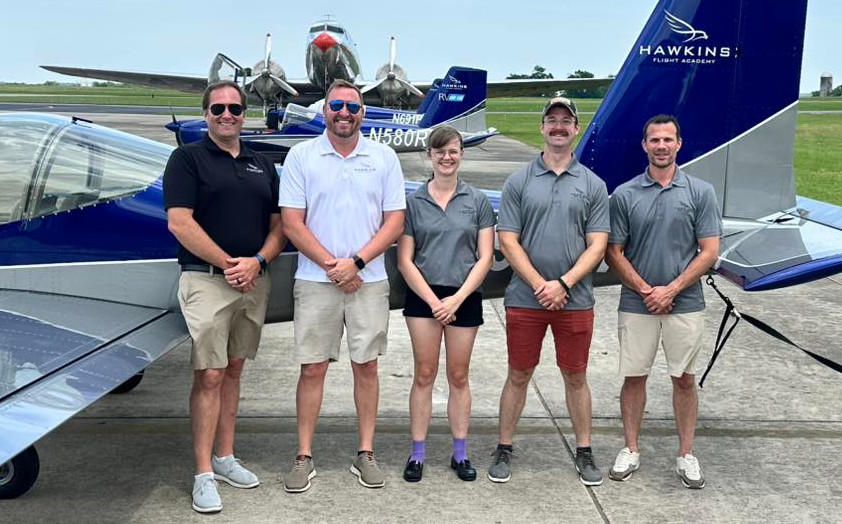
At our training bases in Shelbyville, TN and Tupelo, MS, we maintain on-staff maintenance teams and a standardized fleet of Van’s RV-12iS and Evektor Harmony aircraft to guarantee scheduling consistency. This reliability helps you progress through your ratings on schedule, letting you graduate on time and transition into a paid instructor role quickly.
Launch Your Aviation Career with Financial Confidence
The path to the flight deck is an investment in your future. While the cost of training requires careful planning, securing a flight training loan can make your aviation goals attainable without draining your current savings. With the backing of an AOPA Distinguished Flight School and our transparent pricing packages, you can step into the cockpit knowing your financial plan is secure.
If you are ready to explore your options, the best first step is to visit our flight training financing page to check your pre-approval options. Our team at Shelbyville and Tupelo is ready to help you map out your program path, verify your lender terms, and lock in your training schedule with absolute confidence.