Professional Pilot Training in Tennessee: Program Path vs. Hourly Lessons

Published by:
Matt Wilkins
Published on:
Updated on:
Read time:
8 min read
Choosing the right structure for your flight training is one of the most critical decisions you will make. In Tennessee, aspiring career pilots generally choose between two pathways: booking hourly lessons step-by-step, or enrolling in a structured professional pilot training program.
At Hawkins Flight Academy, we train career-track students from our Shelbyville Municipal Airport base (KSYI) near Nashville. Understanding how these training models affect your timeline, budget, and learning momentum can help you make a more informed choice before your first flight.
Why Structure Matters for Career Flight Training
Hourly training was originally designed for recreational flyers who wanted to learn at a relaxed pace. Under the pay-as-you-go model, you rent an airplane and book an instructor lesson-by-lesson.
For a career-minded student, hourly booking introduces major points of friction:
- Unpredictable scheduling: You compete with recreational flyers for plane and instructor slots.
- Progress delays: If you only fly once a week, you spend the first portion of every lesson reviewing what you forgot, increasing your total flight hours and overall cost.
- Instructor turnover: You may rotate through multiple instructors, losing instructional consistency along the way.
A structured Professional Pilot Program in Tennessee addresses these challenges by grouping your training into a defined, full-time curriculum.
Fixed-Price Packages vs. Open-Ended Tabs
One of the biggest concerns for flight students is cost visibility. Hourly training estimates are often based on the minimum hours required by the FAA (such as 40 hours for a Private Pilot License). Most students require more than the minimum hours to build true proficiency and pass their checkride, meaning final costs can quickly exceed the initial quote.
To provide clear cost planning, we package our professional pilot training into program-based models:
- Package 1 (PPL through Multi-Engine Rating): Structured for pilots who want to secure their commercial and twin-engine ratings as a foundation.
- Package 2 (All ratings including CFI, CFII, and MEI): Built to take you from zero hours to fully certified flight instructor ratings, enabling you to build flight time toward the 1,500-hour airline requirement.
Both options include all flight time, ground instruction, and simulator preparation upfront. This helps you plan your investment or secure flight training financing with a clear number, rather than managing a growing tab of individual invoices.
Training in Technically Advanced Aircraft (TAA)
Modern commercial operations demand experience with glass cockpits and advanced flight systems. Training in older aircraft with legacy steam gauges can leave you unprepared for the transition to turbine equipment.
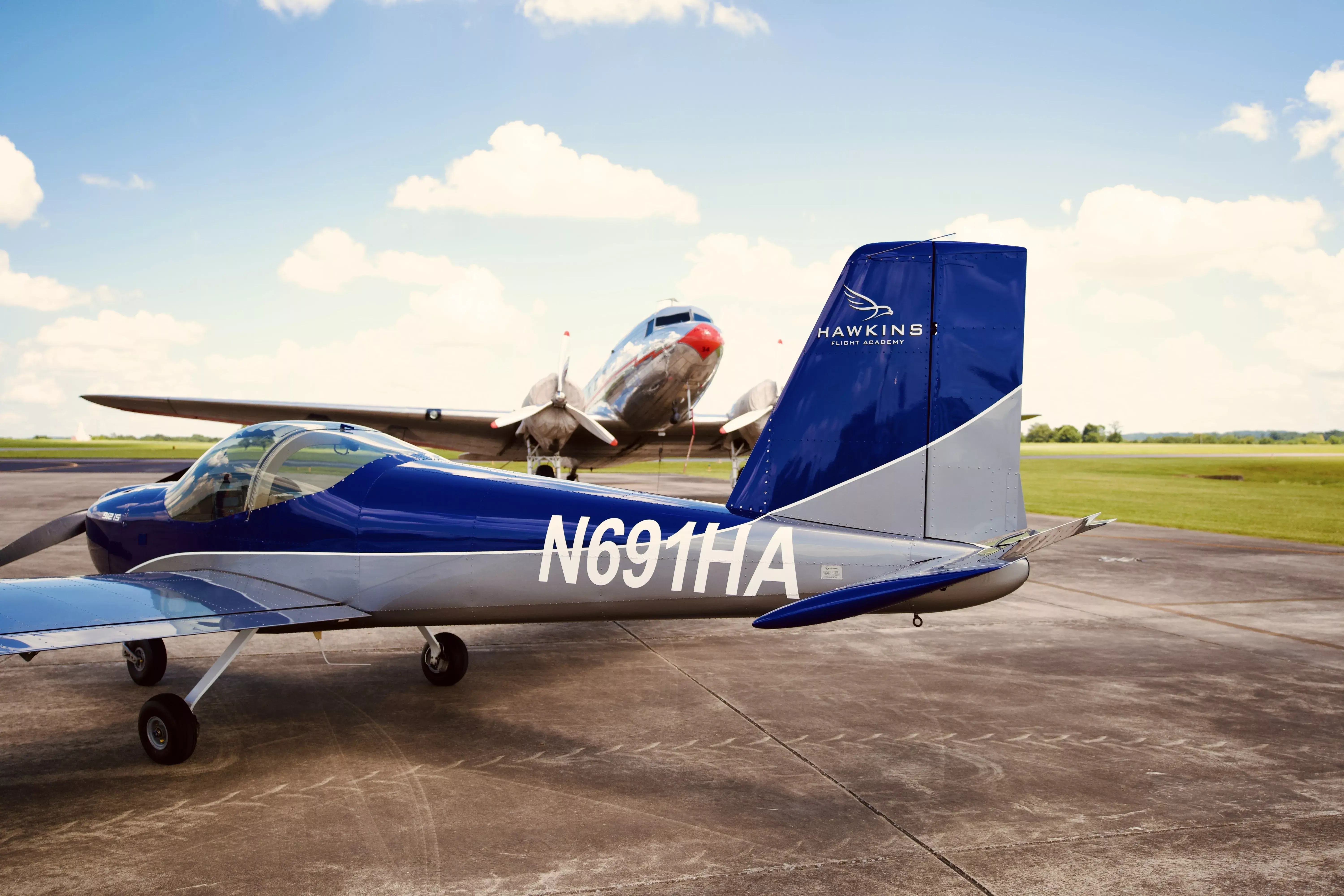
At our Shelbyville base, we train professional students in modern Van’s RV-12iST Technically Advanced Aircraft (TAA) equipped with Garmin G3X touch screens. This ensures that your very first hours build the programming, autopilot management, and electronic situational awareness skills you will use in corporate and airline flight decks.
For advanced training, students transition to our Piper Aztec, building twin-engine experience and handling asymmetric thrust, engine-out procedures, and complex systems management.

Managing Training Gaps and Medical Exams
Momentum is a pilot’s best tool for progress. Training gaps due to weather, aircraft maintenance, or delayed medical certificates can stall your checkride preparation.
We address these risks through several structured resources:
- In-house maintenance: Our dedicated mechanic staff handles fleet inspections and servicing at KSYI, minimizing aircraft downtime.
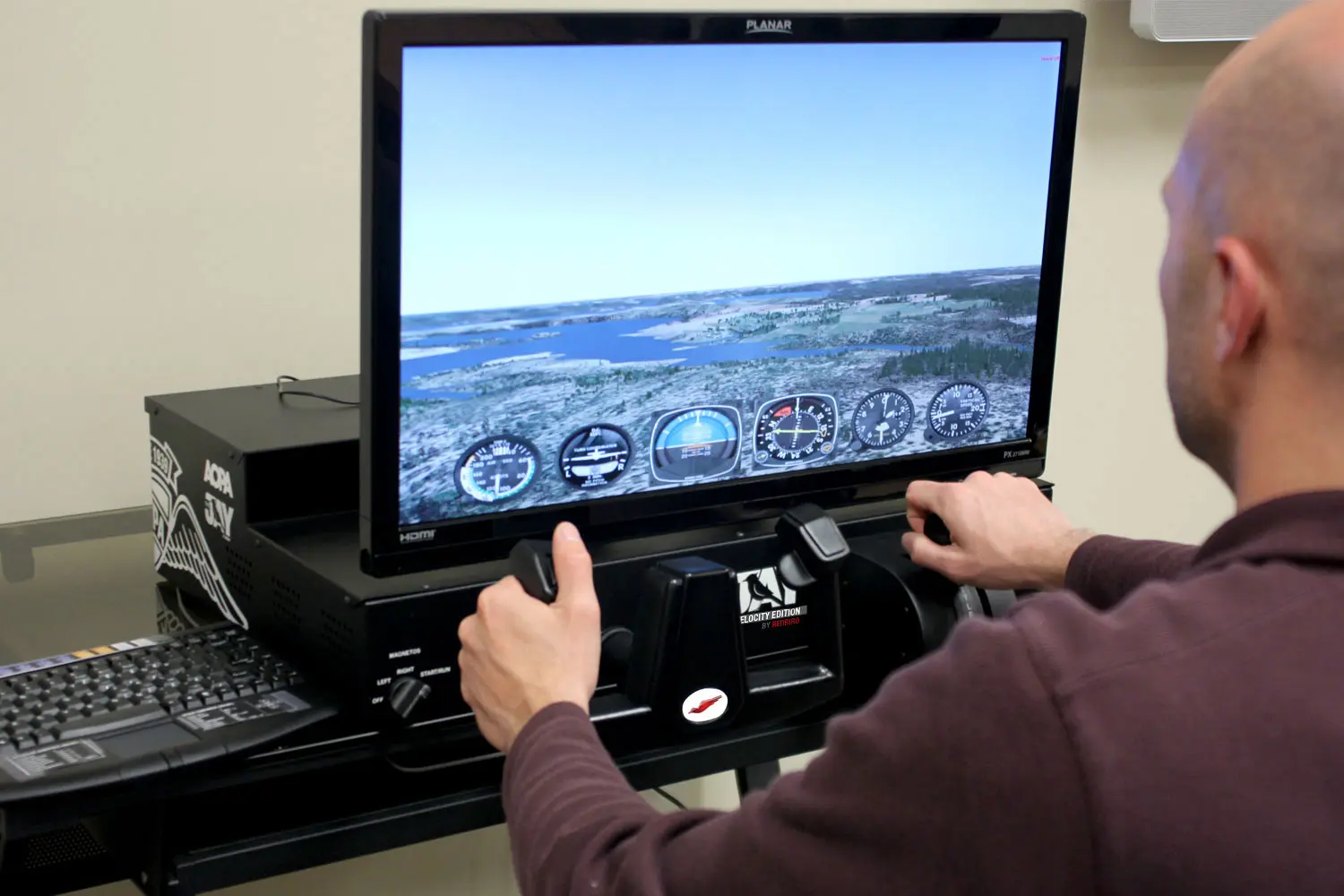
- Ground simulator integration: Our on-site simulators allow you to practice checklist flows, ATC communications, and emergency procedures when weather prevents actual flight.
- Proactive scheduling: We recommend scheduling your FAA medical exam before your first training block, ensuring you have your student pilot and medical certificates secured before your solo phase.
Review our detailed Tennessee Professional Pilot FAQs to compare local program costs, lodging options, and scheduling requirements before you enroll.



.CUl5Z40-_Z21BriN.webp)