Accelerated Multi-Engine Training: How to Choose Well

Published by:
Matt Wilkins
Published on:
Updated on:
Read time:
8 min read
Accelerated multi-engine training can be a smart move when you are prepared, current, and ready to focus. It is not a shortcut around the work. It is a way to keep complex lessons close together so the systems, procedures, and decision flow stay fresh.
At Hawkins Flight Academy, we train multi-engine students in the Piper Aztec through the Multi-Engine Rating program. If you are comparing multi engine rating near me options, the strongest question is not “How fast can this be done?” The stronger question is what needs to be true for you to train well in a focused block?
Accelerated Works Best When You Arrive Prepared
Multi-engine flying adds workload quickly. You are no longer managing one engine, one set of performance numbers, and one set of emergency decisions. You are learning systems, asymmetric thrust, engine-out procedures, and performance planning.
That is why preparation matters. Before you reserve a training block, review your certificate status, logbook history, aircraft systems study, and current schedule. The multi-engine FAQ can help you see the questions worth answering before you arrive, and the multi-engine rating near me planning guide can help you compare providers before booking.

The Piper Aztec Gives the Rating Real Training Weight
A multi-engine rating is an aircraft class rating added to a pilot certificate. It is not just another line on a resume. It changes the kind of aircraft you can train in and the kind of decisions you must make.
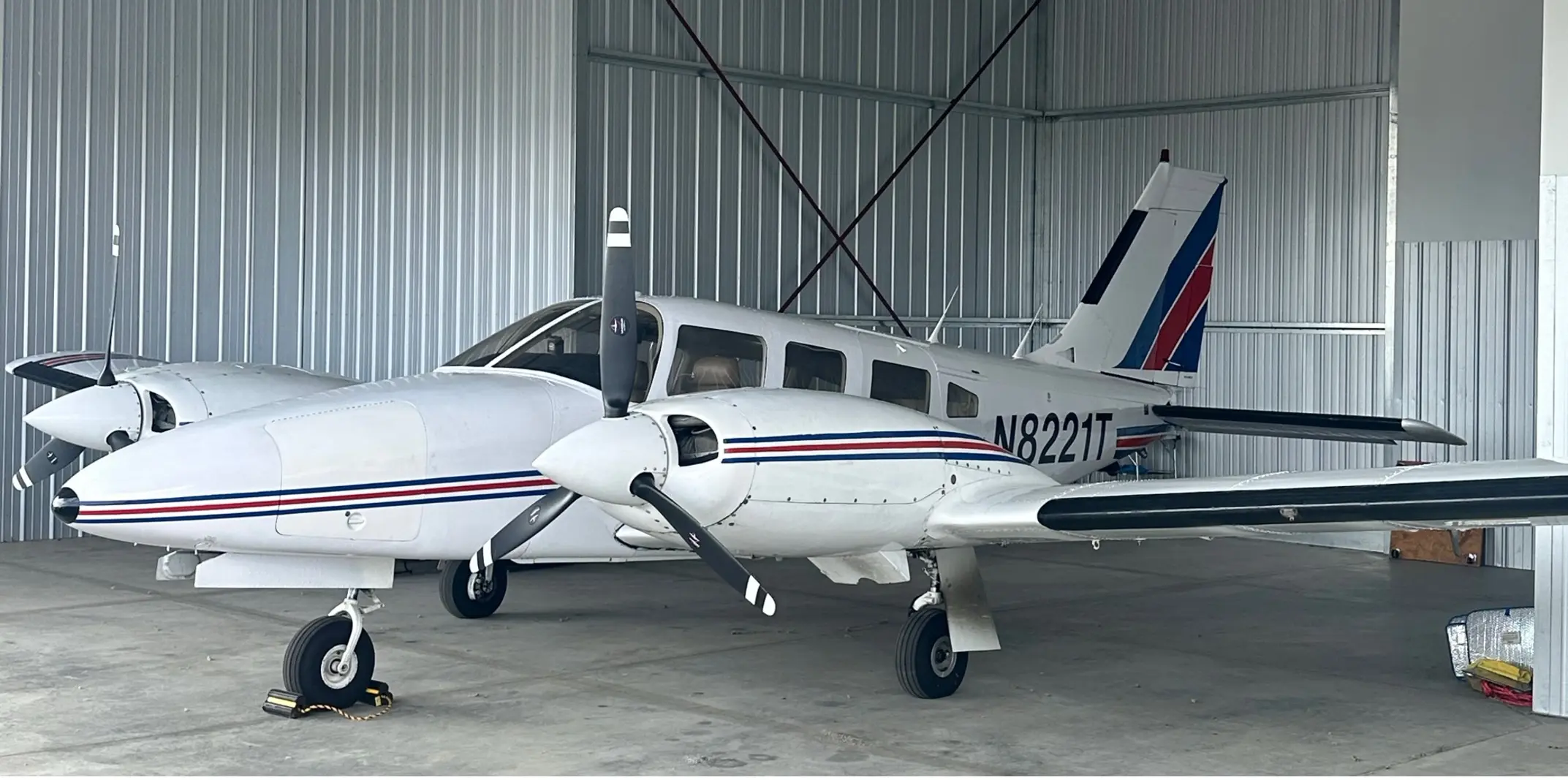
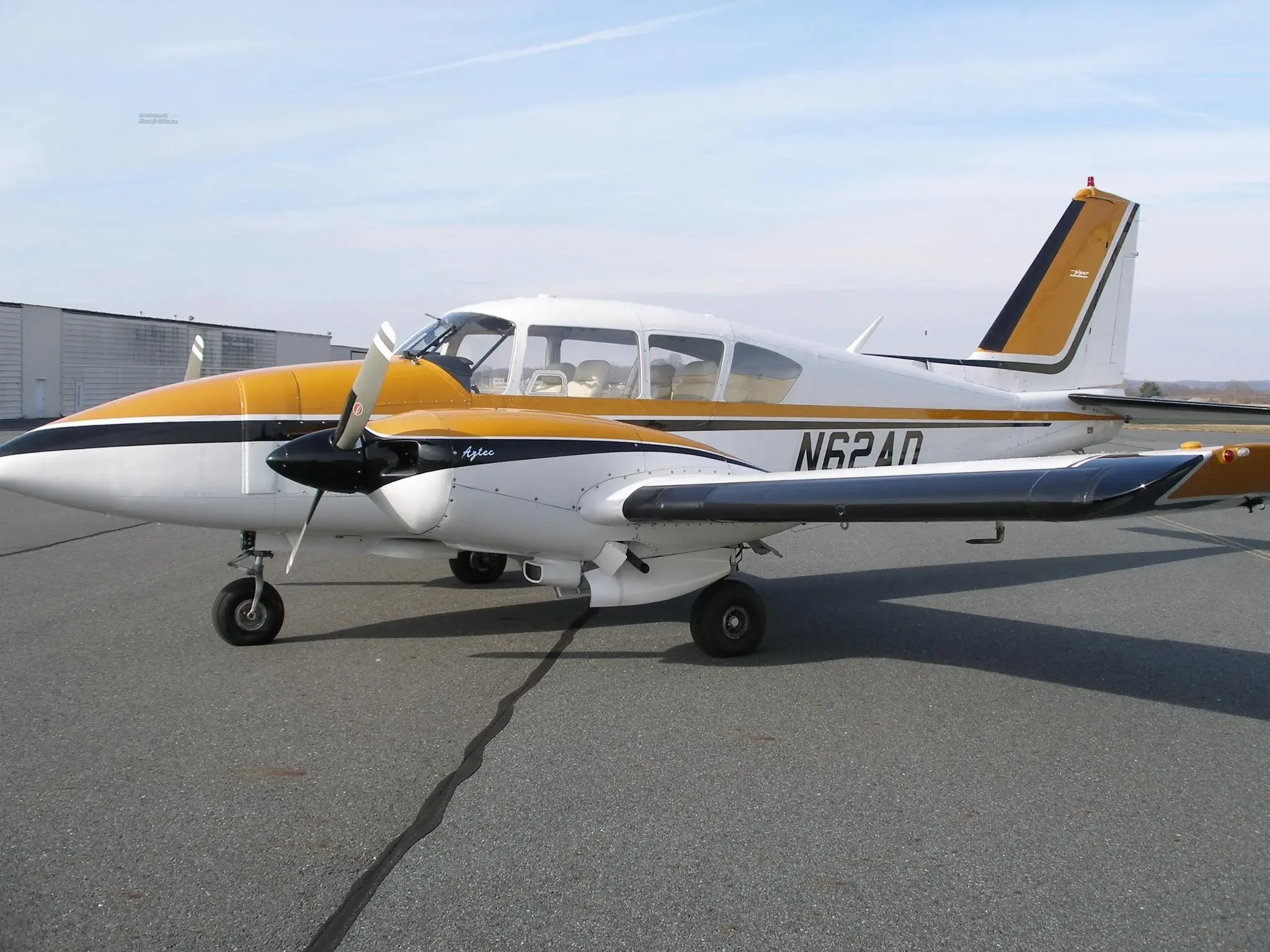
Our Piper Aztec gives students a real twin-engine cockpit for engine-out procedure training, checklist discipline, and aircraft systems work. Review the program page before you schedule so you know how the aircraft fits the course.
When the workload rises, good training slows the decision down. You learn what to verify, what to say, and what to do next.
A Focused Block Should Still Respect Readiness
The word accelerated can create the wrong expectation. A focused training block can keep momentum high, but timing still depends on preparation, weather, aircraft availability, instructor scheduling, and practical-test timing.
Your instructor recommends you for the practical test when you meet the applicable requirements and are ready. We can help you review current availability and plan the block, but a rating should never be treated like a calendar promise.
If you are building a professional path, connect this rating to the larger Professional Pilot Program or your Commercial Pilot training plan before you schedule.
Cost Planning Should Happen Before the Aircraft Starts
Multi-engine aircraft are more complex and more expensive to operate than single-engine trainers. Your cost planning should account for aircraft time, instructor time, ground preparation, simulator or training-device use when applicable, and checkride-related costs.
Financing options may be available to qualified applicants, and the financing page is the right place to begin that conversation. The goal is not to guess the final number. The goal is to understand what is included, what may be separate, and what extra preparation could protect your budget.

Simulator Practice Can Make the Airplane Time More Productive
Simulator or aviation training device sessions can help pilots practice procedure flow on the ground when used appropriately. For multi-engine work, that can mean slowing down checklist steps, talking through abnormal situations, and building better cockpit rhythm before the aircraft lesson.
Any loggable credit depends on the device approval, the certificate or rating, and how the session is used. Still, the learning value can be strong even when the main benefit is better preparation. Review our simulator resources as part of your training plan.
The best use of simulation is not to replace the aircraft. It is to make each aircraft lesson sharper.
Multi-Engine Training Should Support a Bigger Goal
For many pilots, the multi-engine rating supports commercial, instructor, corporate, or airline-track goals. It is an important credential for many professional paths, but no rating guarantees a job.
That boundary matters because it keeps your planning honest. If you need the rating for a hiring path, a school requirement, or your own skill growth, build the training around that goal. If you are still choosing the path, compare Commercial Pilot, Certified Flight Instructor, and Multi-Engine Rating in one conversation.

Choose the Block When You Can Give It Your Full Attention
Accelerated multi-engine training is best for pilots who can show up prepared, study hard, and keep the schedule focused. If you need a slower path, that is a planning issue, not a failure.
Start with the Multi-Engine Rating program page. Then contact us at Hawkins Flight Academy to review current availability, your certificate status, and whether a focused training block fits your goal.