Instrument Rating in Tennessee: 2026 Guide for Safe, Weather-Resilient Flying

Published by:
Matt Wilkins
Published on:
Updated on:
Read time:
8 min read
A cloud layer can change a whole flight plan. If you hold a Private Pilot License and only fly under visual flight rules, that layer may mean waiting, diverting, or turning back. An Instrument Rating gives you more options, because you learn to fly by reference to instruments, follow clearances, brief approaches, and make better weather decisions.
For pilots comparing instrument rating Tennessee options, the goal is not to become reckless around weather. The goal is better command. At Hawkins Flight Academy, our Instrument Rating program combines glass-cockpit aircraft, Garmin G3X avionics, and Redbird simulator-supported training so you can build IFR skills with a clear plan at our Shelbyville, TN training environment.
IFR Gives You More Weather Options Without Removing Weather Judgment
An Instrument Rating, often called IFR certification, lets a properly rated and current pilot operate under Instrument Flight Rules. In simple terms, you learn to fly when outside visibility is not enough by using instruments, procedures, air traffic control clearances, and published routes or approaches.
Your flying becomes less fragile. A private pilot planning a cross-country from Middle Tennessee may see marginal ceilings, haze, or a cloud deck in the forecast. Without IFR skills, the practical answer may be simple: do not go. With IFR training, you can understand the system, read the weather with more purpose, and know when an IFR clearance gives you a safe path and when the better call is still to wait.
The important limit is this: IFR does not make every weather day flyable. Thunderstorms, icing, low fuel margins, aircraft equipment limits, and personal proficiency still matter. Good instrument training should make you more disciplined, not more casual. That is why our flight training programs focus on structured progress instead of shortcuts.
The FAA’s instrument rating requirements are found in 14 CFR 61.65. You do not need to memorize the regulation before a consultation, but you should know that the rating is built around knowledge, flight proficiency, aeronautical experience, and a practical test.
The Best IFR Training Starts With a Strong Cockpit Scan
Instrument flying asks you to trust the panel, manage workload, and stay ahead of the aircraft. That is easier to learn when your training cockpit feels organized and current.
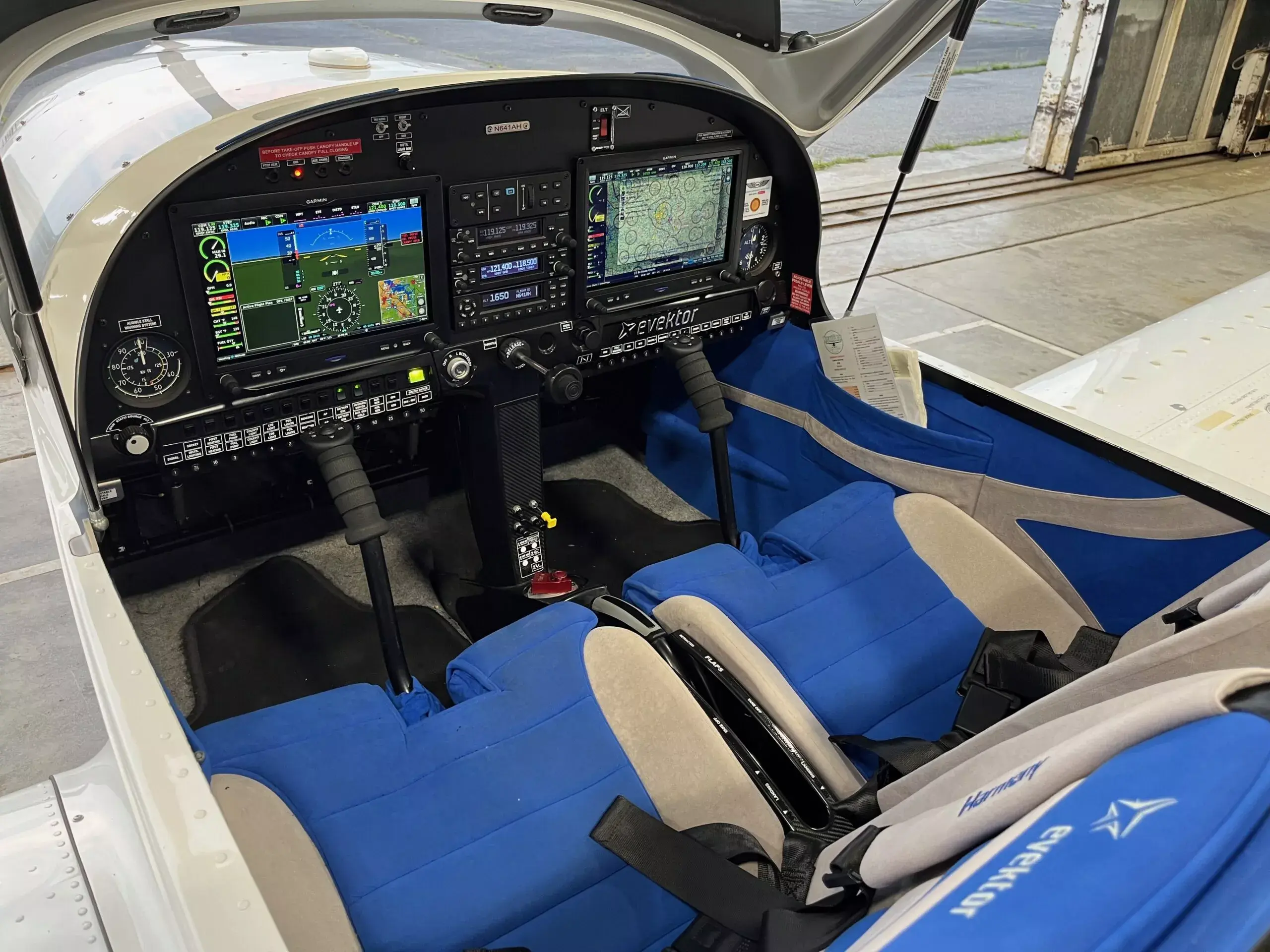
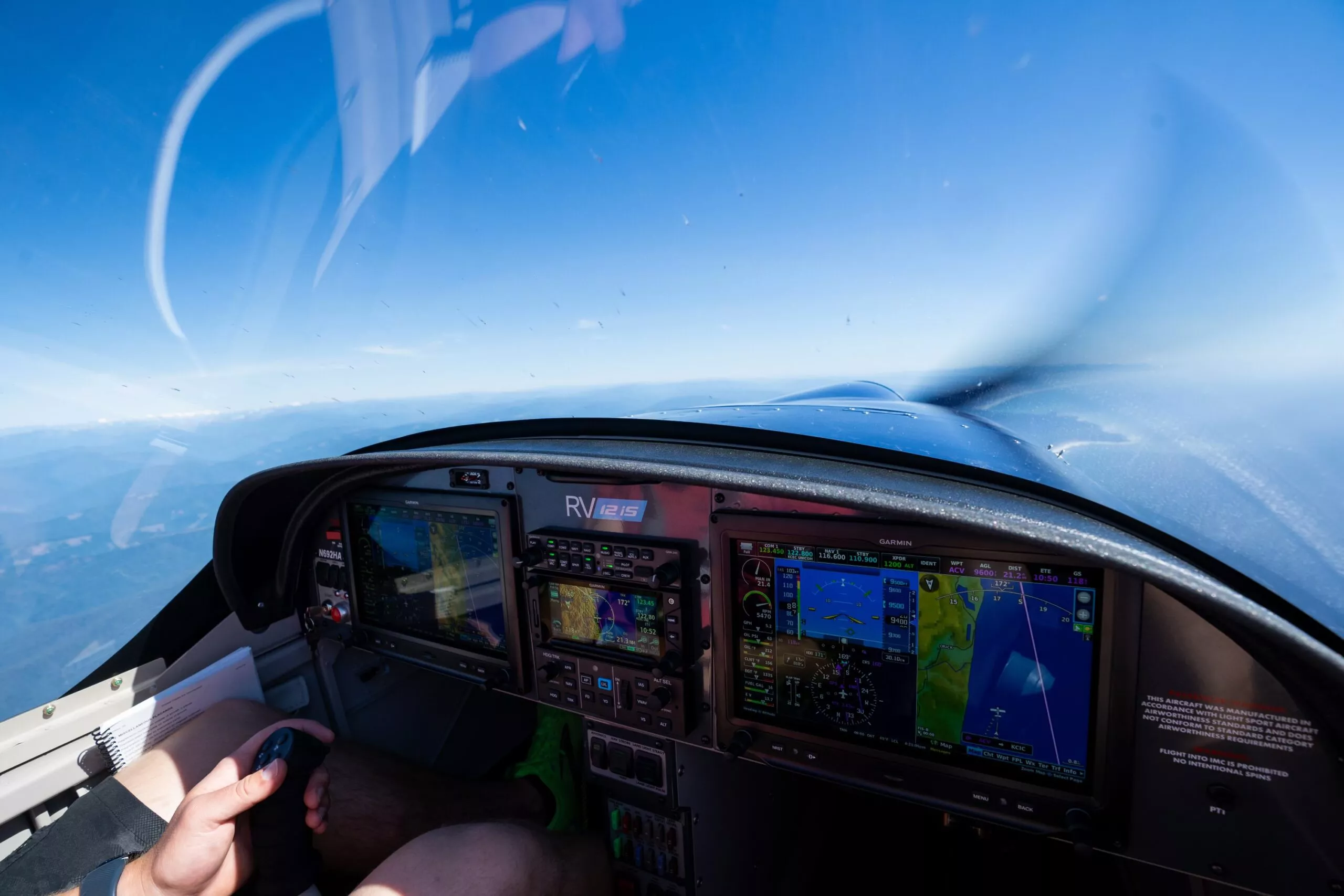
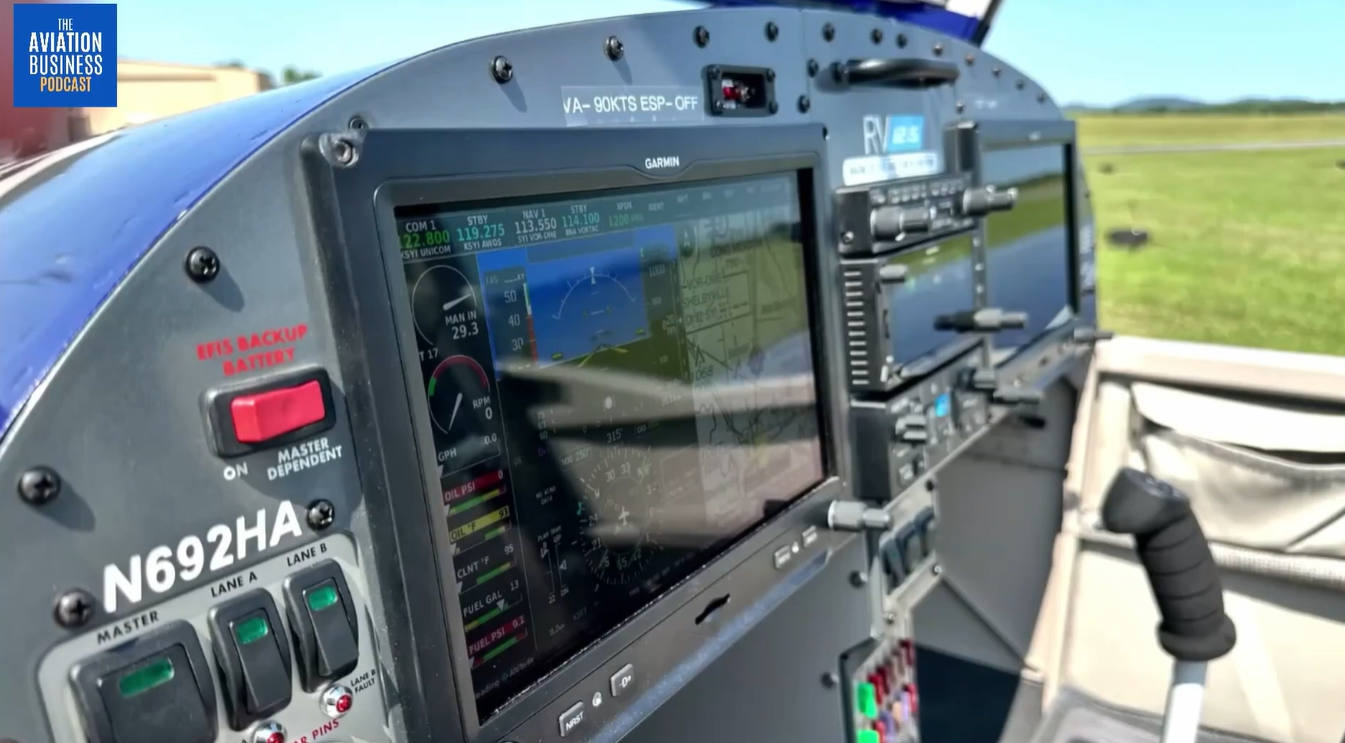
At Hawkins, instrument students train with modern glass-cockpit tools, including Garmin G3X avionics in the Hawkins training environment. Instead of jumping between unrelated panels and relearning each aircraft, you can build repeatable habits around instrument scan, navigation, communication, and checklist flow.
For a PPL holder, cockpit consistency carries real weight. Your brain is already working hard during early IFR lessons. You are holding altitude, tracking a course, listening to ATC, briefing an approach, and correcting small deviations before they become large ones. A standardized cockpit helps reduce wasted effort so more of your attention goes to the core skill: flying the procedure correctly.
You can also compare the training environment on our fleet page, where modern avionics are a central part of the Hawkins model.
Simulator-Supported Training Keeps IFR Practice Moving
Instrument students need repetition. Holds, intercepts, approach briefings, missed approaches, and avionics workflows get better when you can practice them again and again without turning every lesson into aircraft time.
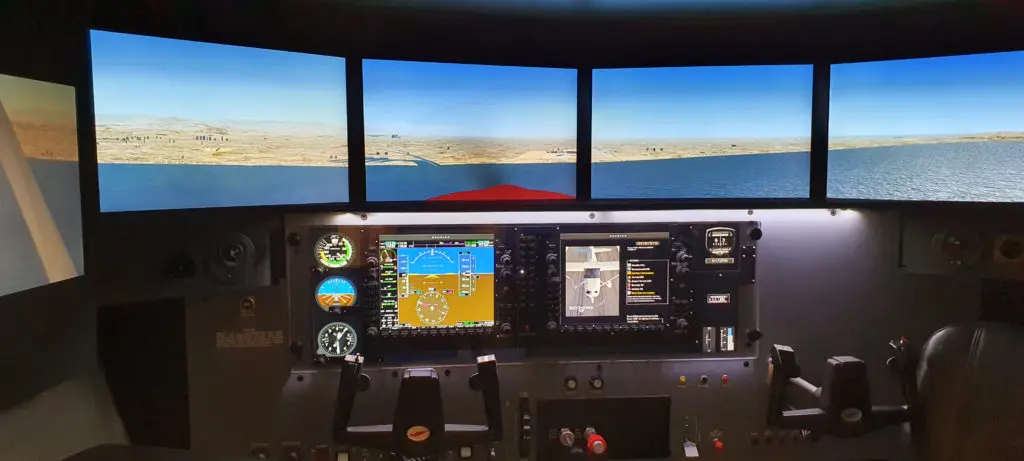
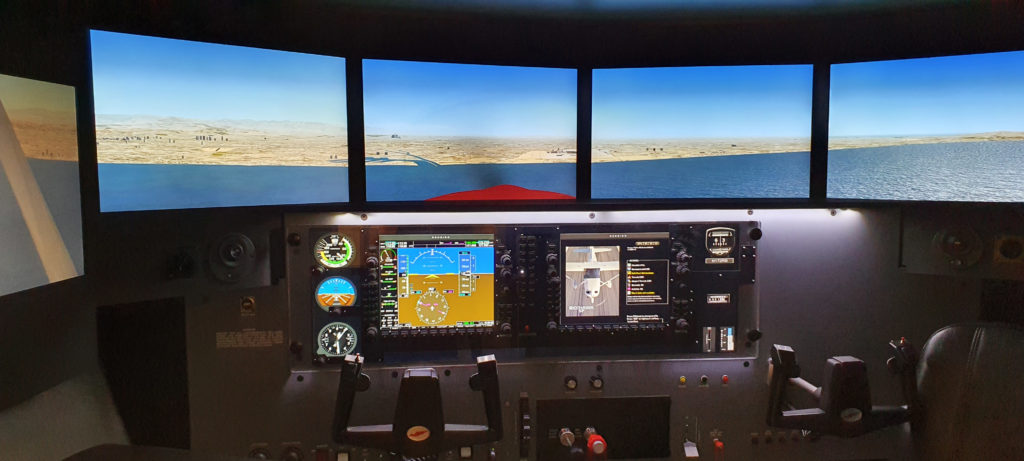
That is where flight simulator instrument training can protect your schedule and your budget. At our Shelbyville training environment, Redbird simulator sessions give you a controlled place to slow the lesson down, repeat a procedure, pause for instruction, and practice the same skill until it becomes familiar.
When aircraft flying is not the right option, a simulator session can still move your training forward. A low-ceiling day does not have to become a lost day. You can practice holding entries, scan discipline, GPS procedures, localizer tracking, missed approach steps, and cockpit flow on the ground before taking those habits back into the airplane.
FAA-approved aviation training devices may also count toward instrument training within applicable limits when approved and properly logged. Hawkins’ Instrument Rating materials support up to 10 hours in our FAA-approved BATD toward the rating, and our simulator resources also include a Redbird MCX AATD. The exact credit depends on the approved device, the task, and applicable FAA rules, so we handle that planning with you during training.
How IFR Training Helps Control Cost Without Cutting Corners
Cost is one of the biggest reasons pilots delay an Instrument Rating. That concern is fair. Aircraft time, instructor time, ground study, checkride preparation, and written test preparation all add up.
The answer is not to rush the rating. The better answer is to reduce waste. Simulator-supported training helps because some of the most repetitive IFR work can happen before or between aircraft lessons. You can practice the mental flow of an approach, learn avionics steps, and improve your scan in a setting built for instruction.
That does not replace aircraft judgment. You still need real flying, real workload, real radio work, and real weather decision-making. But when the simulator helps you arrive at the airplane better prepared, aircraft time can be used for higher-value training.
For students planning the financial side, Hawkins also provides financing information for eligible students. If your main concern is cost surprise, a consultation can help you map the rating around your current experience, training frequency, and simulator use.
Career-Track Pilots Need IFR Discipline Early
If your long-term goal is commercial flying, the Instrument Rating is one of the major milestones between private pilot flying and more advanced training. It builds the habits that carry into Commercial Pilot training: precision, planning, communication, and workload management.
That does not mean an Instrument Rating guarantees a career outcome. It means you start thinking like a more disciplined pilot. You learn to brief the plan before you need it. You learn to stay ahead of the aircraft. You learn how small deviations grow if you do not correct them early.
For career-track students, consistency matters because professional aviation rewards it. A pilot who can show up, study, train regularly, and fly procedures with care is building more than logbook time. You are building the habits that make later ratings more manageable.
If you are searching for accelerated IFR training near me, the better question is whether you can train consistently enough to keep skills fresh. Hawkins can help you compare a realistic training rhythm at our Shelbyville and Tupelo locations without promising a one-size-fits-all timeline.
Recreational Pilots Gain a More Reliable Way To Travel
Not every IFR student is chasing an airline career. Many are private pilots who want their airplane to become a more useful personal travel tool.
Maybe you want to visit family without being stopped by a thin cloud layer. Maybe you want more confidence on longer cross-country flights. Maybe you want better skills for changing visibility, controlled airspace, and approach planning. The Instrument Rating helps because it adds structure to situations that can feel uncertain under visual-only flying.
The biggest benefit is not just legal permission to fly in clouds. It is better decision-making before the flight begins. You learn to look at ceilings, alternates, fuel, equipment, approach minimums, and personal limits with more clarity. That makes your no-go decisions stronger too.
Our pilot resources and blog guides can help you keep learning while you compare instrument rating schools, but the most useful next step is a conversation about your current flying, goals, and schedule.
What To Expect When You Start IFR Training At Hawkins
Your first IFR training conversation should answer practical questions, not bury you in jargon.
You should leave knowing what your current PPL experience means for the next step, how simulator sessions may support your plan, what aircraft and avionics you will train in, how often you should fly, and what study habits will keep your progress steady.
At Hawkins, we use the consultation to connect your goal to the right training path. A recreational pilot may care most about safe personal travel. A career-track pilot may care about sequencing the Instrument Rating before commercial training. A pilot returning after a break may need a stronger proficiency plan before moving fast.
Here is a simple way to think about it:
| Your goal | What IFR training helps you build | Hawkins resource |
|---|---|---|
| More reliable personal flying | Weather planning, approach confidence, and better go/no-go decisions | Instrument Rating |
| Career-track progress | Procedure discipline before commercial training | Commercial Pilot training |
| Lower-waste practice | Repetition for holds, approaches, scans, and briefings | Redbird simulators |
| Budget planning | A clearer look at training investment and eligible financing options | Financing |
Schedule Your Instrument Training Consultation
If clouds, cost, or schedule uncertainty have kept you from starting IFR training, the next step is simple: talk with Hawkins about your Instrument Rating plan.
We will help you look at your current flying, your schedule, your simulator options, and the training rhythm that fits your goal. You can train toward a rating that gives you more weather options, stronger cockpit command, and a clearer path to the next milestone.
Schedule your Instrument Training Consultation at Hawkins Flight Academy in Shelbyville, TN, or book a Redbird simulator session to see how ground-based IFR practice can support your next rating.