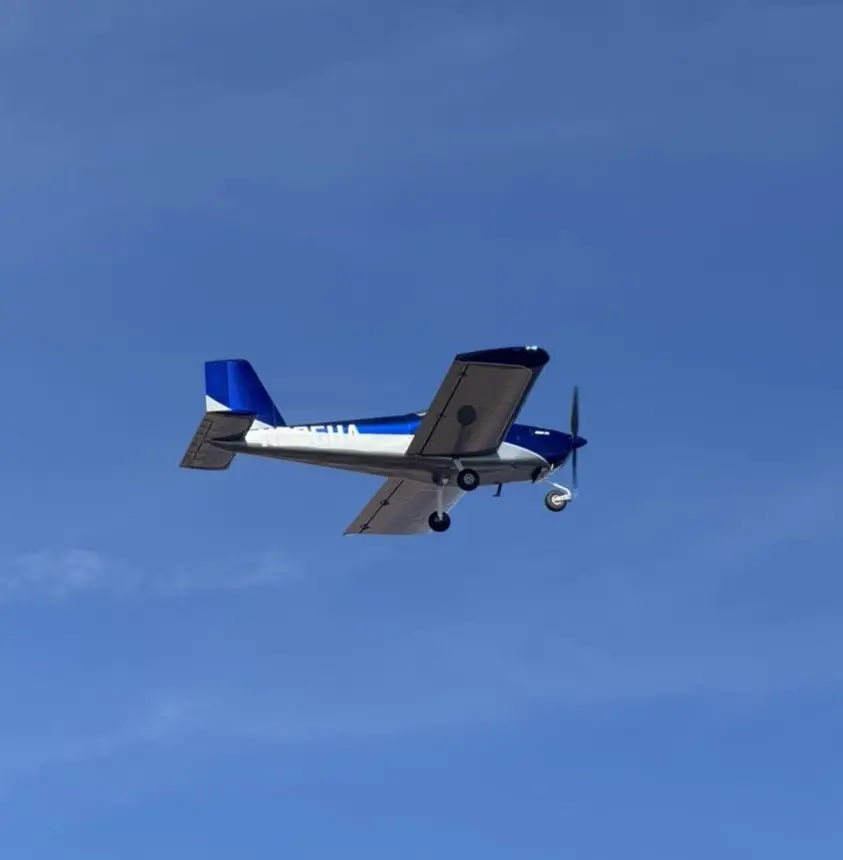
Winter Weather Flying: Tips for Staying Safe and Confident

Published by:
Matt Wilkins
Published on:
Updated on:
Read time:
7 min read
Winter flying presents unique challenges, but with proper preparation, pilots can navigate these conditions safely. At Hawkins Flight Academy, we emphasize the importance of understanding cold-weather operations, aircraft maintenance, and emergency preparedness.
Pre-Flight Preparations
Ensure your aircraft is preheated if it’s been idle, preventing engine wear and ensuring performance.
Check for frost or ice on wings, control surfaces, and other critical areas.
Review weather reports for potential hazards like ice fog or blowing snow.
In-Flight Considerations
Maintain slightly higher airspeeds during takeoff and landing.
Monitor engine temperatures closely and adjust power as needed.
Be vigilant for icing conditions and know how to use anti-icing/de-icing systems.
Emergency Preparedness
Carry winter survival gear including warm clothing, food, water, and communication devices.
Know cold-weather emergency procedures such as hypothermia response and signaling for help.
Training at Hawkins Flight Academy
Our comprehensive winter training ensures students develop confidence and skill in cold-weather operations.
Hands-on instruction helps students safely navigate winter flying challenges.
Stay Safe and Confident
With knowledge and preparation, winter flying can be rewarding. Trust Hawkins Flight Academy to equip you with the skills to fly safely year-round.
Book your Discovery Flight today or enroll in our Private Pilot program to start your journey.