Part 61 vs. Part 141 Flight Schools: How to Choose the Right Path for Your 2026 Pilot Goals

Published by:
Matt Wilkins
Published on:
Updated on:
Read time:
8 min read
If you want to earn a FAA Private Pilot Certificate or start an airline career, one of your first decisions is choosing between a part 61 flight school and a part 141 academy. This choice can seem confusing when searching for a part 141 flight school near me, especially if you are comparing flight training options or looking for an affordable flight school tennessee.
Both paths lead to the exact same FAA certificate, but they structure your time, budget, and scheduling in completely different ways. Finding the right fit depends on your personal schedule, budget, and professional goals. This guide breaks down the structural differences, costs, and career timelines to help you find the training path that aligns with your life.
Understanding the Part 61 Flight School Structure
A part 61 flight school operates under a set of federal regulations that allow maximum scheduling flexibility. This path is ideal if you are balancing training with a full-time job, school, or family commitments.
Under Part 61, you can train at your own pace, adjusting the frequency of your lessons week by week. Your instructor can customize the training syllabus to fit your personal learning style, focusing extra time on areas where you need more practice. This flexibility is why many local flying clubs and smaller flight schools operate under Part 61. It allows you to pay as you go, buying plane rental and instructor hours only when you fly.
However, because Part 61 does not require a rigid, pre-approved syllabus, you must remain self-disciplined. Without a structured program, it is easy for training gaps to occur, which can increase your overall review time and total cost.
What is a Part 141 Flight School?
A Part 141 flight school operates under strict, FAA-approved training curricula. These schools must maintain regular student records, follow standardized lesson plans, and meet specific FAA audit requirements.
Part 141 programs are typically structured like university classes. They follow a rigid calendar with set start dates, classroom ground school hours, and strict attendance policies. This structured environment is highly efficient for full-time students who want to move quickly through a career sequence. It is often the model used by national pilot academies and university degree programs.
Because the FAA approves the curriculum, Part 141 schools can occasionally certify students with fewer flight hours than a Part 61 school. For example, a private pilot certificate requires a minimum of 35 hours under Part 141, compared to 40 hours under Part 61. However, this structure can be highly restrictive if you have a busy life. If you miss a class or need to reschedule a flight due to work commitments, catching up can be difficult and expensive.
Direct Comparison: The Key Differences
To help you evaluate your options, the table below compares the key structural differences between these two training paths.
| Feature | Part 61 Flight Training | Part 141 Pilot Academy |
|---|---|---|
| Scheduling | Flexible; you set the calendar with your instructor | Rigid; fixed class schedules and flight blocks |
| Syllabus | Customizable to your pace and learning needs | FAA-approved; must follow exact lesson sequences |
| Pace | Part-time or full-time; adjustable week to week | Typically full-time; requires high commitment |
| Minimum Hours | 40 hours minimum for a private pilot certificate | 35 hours minimum for a private pilot certificate |
| Ground School | Self-study, online programs, or customized ground | Structured, classroom-based ground instruction |
| Location Options | Highly accessible; available at most local airports | Usually concentrated at larger, towered airports |
While the FAA minimum hours differ slightly, very few students finish exactly at the minimums. Most beginners across the United States require 50 to 70 hours of flight time to earn a private pilot license, regardless of the school category.
Addressing the Friction: Cost Surprises and Rigid Schedules
One of the biggest obstacles for aspiring pilots is cost uncertainty. Traditional Part 61 schools can lead to runaway hourly bills if you fly infrequently and spend too much time reviewing past lessons.
On the other hand, Part 141 academies often require massive upfront loans or rigid financial contracts. If you need to pause your training, you may face financial penalties or lose your spot in the program. To avoid these traps, you need to look at more than just the hourly rental rates. You need a program that combines the flexibility of Part 61 with the structure of a premium academy.
This is why many beginners look for the best flight schools near me for beginners to ensure they get consistent aircraft availability without being forced into an inflexible schedule.
The Hawkins Solution: A Structured Part 61 Model
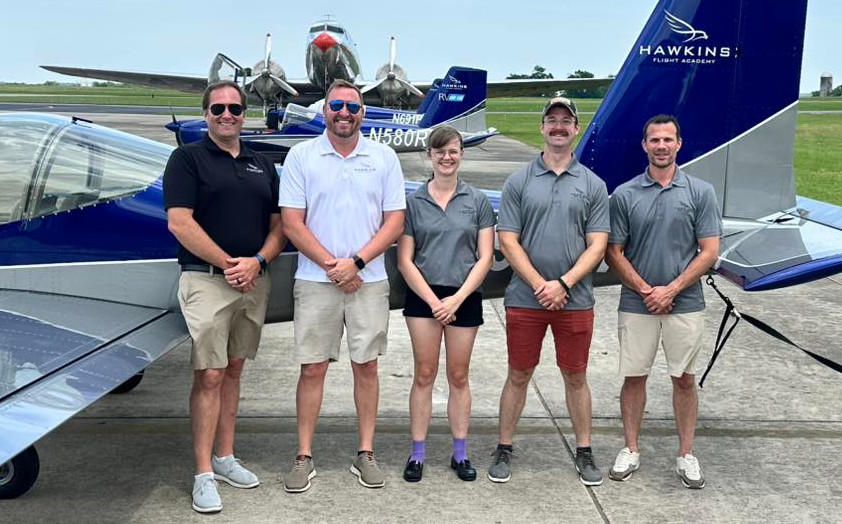
At Hawkins Flight Academy, we believe you should not have to choose between flexibility and structure. We operate as a Part 61 academy, but we manage our programs with the strict organization of a premium career academy.
This structured Part 61 model gives you the best of both worlds. You get the personalized scheduling you need to balance flight training with your career, while following a clear milestone-based path.
We support this with three main training advantages:
- Modern Equipment: Our
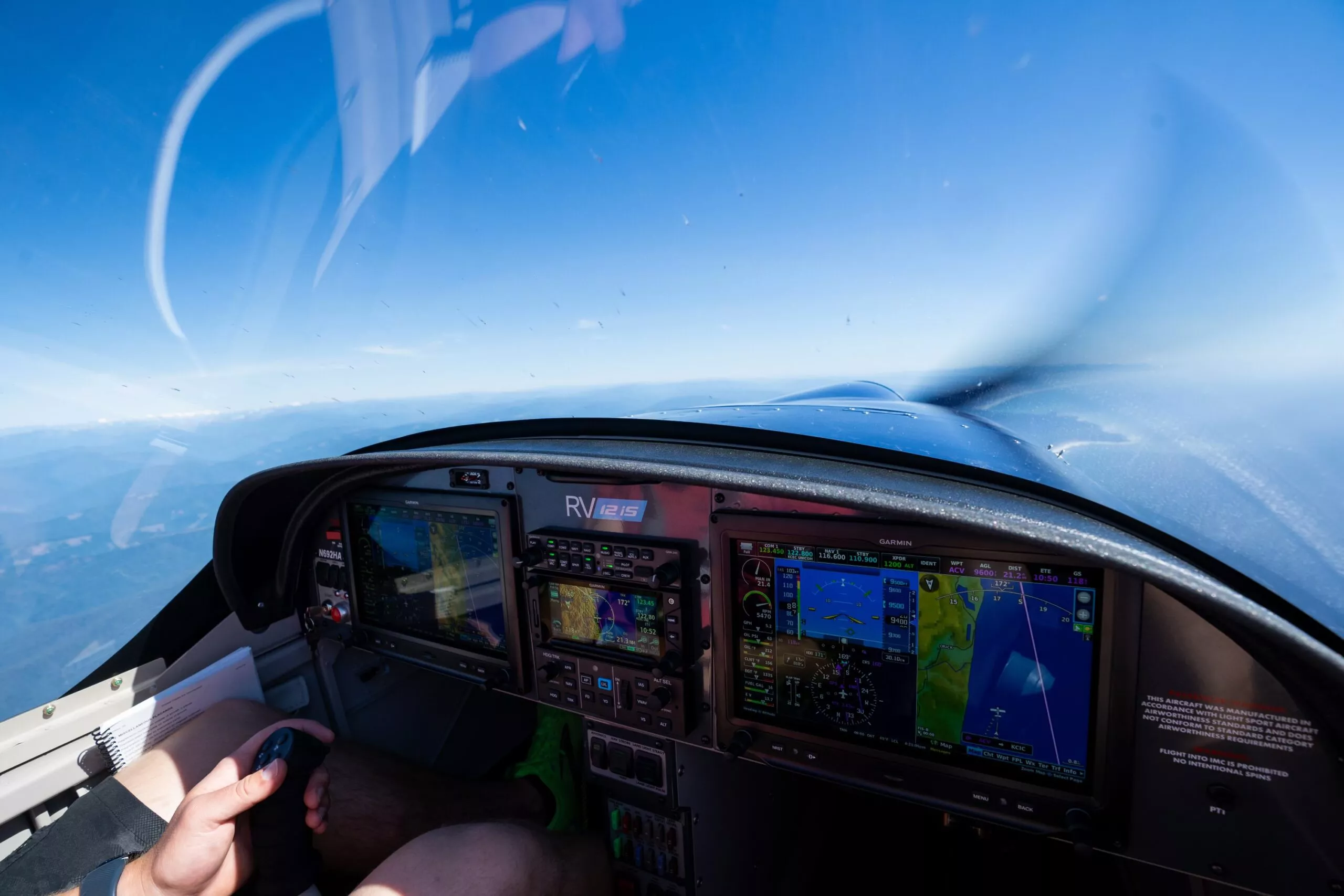
<a href='/about/our-fleet/' class='font-bold underline'>standardized glass-cockpit fleet</a>features Van’s RV-12iS aircraft equipped with Garmin G3X Touch screens, preparing you for modern airline cockpits from day one. - On-Staff Maintenance: We employ dedicated mechanics to ensure our aircraft are safe, airworthy, and ready to fly, minimizing maintenance delays.
- program-based pricing: We eliminate financial guessing by offering transparent, fixed-price packages for our professional pilot sequences.
By training in this environment, you can build consistent muscle memory without watching the cockpit clock or worrying about hidden fees.
Evaluating a Flight School Near You
If you are comparing flight schools near Shelbyville, Tennessee, or Tupelo, Mississippi, use this quick checklist during your airport tour:
- Fleet Consistency: Does the school train in a standardized fleet, or will you have to switch between different aircraft models with different instrument layouts?
- Pricing Structure: Does the school offer clear, program-based estimates, or are they charging variable hourly rates that can fluctuate?
- Ground Support: How does the school handle ground school? Are there in-person classes, or are you left to study navigation and weather on your own?
- Simulator Use: Does the school offer
<a href='/about/our-simulators/' class='font-bold underline'>simulator-supported training</a>to help you practice emergency procedures and instrument scans on the ground? - Instructor Availability: Will you work with a dedicated instructor, or will you be passed between different instructors throughout your training?
Earning Your Wings With Confidence
Earning your private pilot license or pursuing an airline career is a major investment of time and resources. Choosing a school that values your schedule and provides transparent costs is the best way to protect that investment.
Whether you want to fly for personal weekend travel or fast-track your route to a regional airline, you need a clear starting point. Avoid making assumptions about financing or scheduling until you have seen the training environment firsthand.
If you are ready to explore your options, read our detailed <a href='/new-to-flying/' class='font-bold underline'>guide for beginner pilots</a> to learn more about the requirements and milestones. You can also download our Pilot Career Starter Checklist to map out your budget, medical scheduling, and ground study goals.

Ready to Take the Controls?
The best way to see if flight training fits your life is to experience it in the cockpit. Book a hands-on Discovery Flight at either our Shelbyville, TN, or Tupelo, MS location. You will meet our instructors, inspect our modern aircraft, and take the controls of a glass-cockpit trainer under the guidance of a certified flight instructor.
Schedule your <a href='/discovery-flight/' class='font-bold underline'>hands-on Discovery Flight</a> today to begin your aviation journey with a clear, structured plan.