Financing Flight Training Without Stops and Restarts

Published by:
Matt Wilkins
Published on:
Updated on:
Read time:
5 min read
You are ready for the next lesson. Your instructor has a plan, your headset is packed, and the money for the flight will not be ready until next month. Financing flight training starts with preventing that mismatch: building a funding schedule that can support the lessons you intend to take.
At Hawkins Flight Academy, we want you to have a workable path to your next certificate or rating before you commit to the schedule. Our financing options are one part of that conversation. Savings, household income, the pace of training and the timing of payments all belong in the same plan.

Fund a complete milestone before choosing the pace
Begin with the outcome you are funding. Your first private pilot certificate, an instrument rating and a career program involve different commitments. Choose the scope through our training programs, then work from an itemized estimate that identifies what is included, what is separate and when each payment is due.
The school payment is only one part of your cash needs. Depending on your circumstances and package, you may need to account for testing, equipment, medical examination expenses, transportation and lodging. Keep living expenses beside the training budget, particularly if an accelerated schedule reduces the hours you can work.
| Budget layer | What to put in your plan | What to resolve before starting |
|---|---|---|
| Training scope | Aircraft, instruction, ground and simulator work | Which items the agreed package includes |
| Milestone expenses | Tests, examiner arrangements and related costs | Amounts and payment dates |
| Personal expenses | Housing, food, travel and existing obligations | Income available while training |
| Contingency | Extra time or an unexpected expense | Funds you can access without missing essential bills |
A consistent pace you can sustain is useful progress. If the full career path does not fit your finances today, a planned stage such as Private Pilot training may give you a clearer near-term goal. Compare staged training with the full pathway before assuming that borrowing more is the best answer.
Match the funding calendar to the lesson calendar
Approval and access to funds are different events. Before relying on financing, find out when funds are released, who receives them and what must happen before a payment reaches the school. Then line those dates up with enrollment, training payments and testing expenses.
Our financing partners include Stratus Financial, AOPA Finance and Flight Training Finance. Approval, rates, repayment schedules and covered expenses depend on the lender and your individual offer. Each product needs its own review; a credit line and a loan released in installments can affect your cash flow differently.
Put dates on the plan. A simple calendar can show the next school payment, the expected funding date, your household income date and any loan payment. If a release arrives later than expected, you should be able to see the gap before it reaches your training week. Keep that calendar beside the milestones you discuss through The Hawkins Method.
Compare the full obligation behind the monthly payment
A smaller monthly payment can come with a longer repayment period and more total interest. The Consumer Financial Protection Bureau explains this repayment tradeoff. Compare actual written offers for the same amount and review annual percentage rate, fees, repayment length and total expected payments.
Understand what can change after you sign. Check whether the rate is fixed or variable, when repayment begins, whether interest accrues during any payment deferral, and what happens if training takes longer. If a co-signer is involved, discuss their repayment responsibility and any release conditions before applying together. Review those terms alongside your flight training financing choices.
Use income you can reasonably support today. Your budget needs to work through training and the transition into employment. An airline career can be your goal while the loan decision still rests on the payment obligation you and any co-signer are taking on now.
Give interruptions a plan before they happen
A financial buffer gives you options when the calendar moves. Weather, aircraft availability, illness or an examiner’s schedule can change the sequence. Decide which expenses continue during a delay and what you would use to cover them. Include any extra lodging or transportation if you are traveling for a training block.
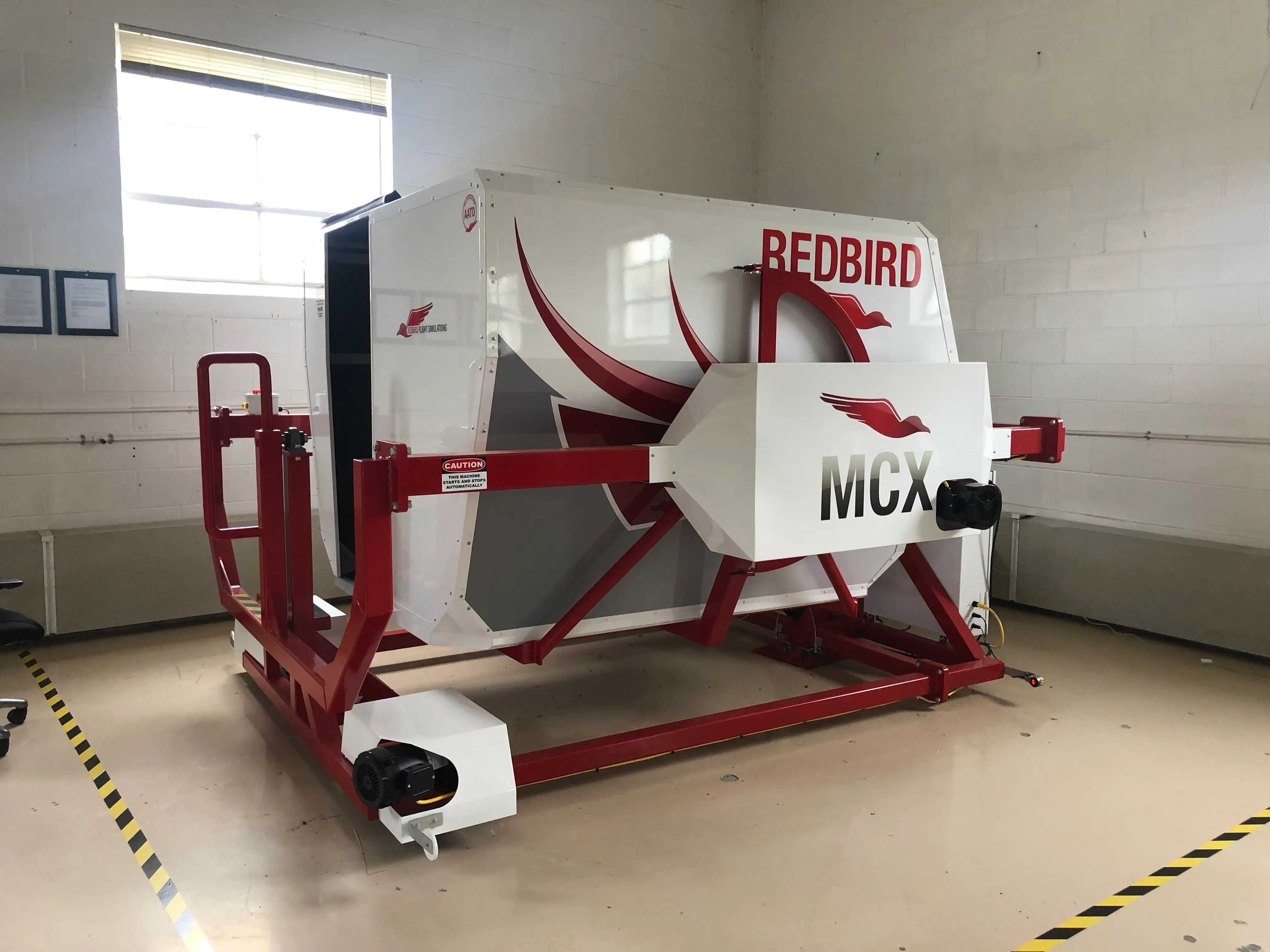
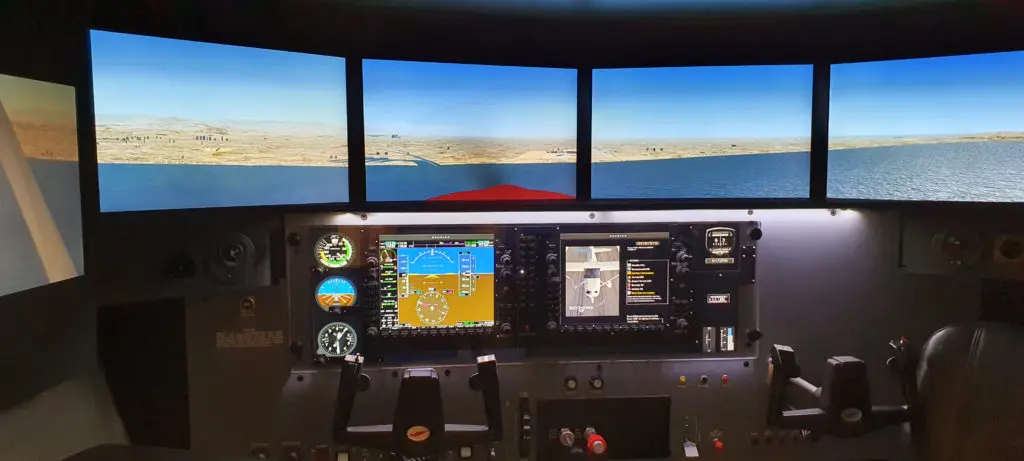
Keep the learning connected when flying pauses. Work with your instructor on an assigned study task, ground lesson or appropriate simulator session. Our student simulator device access is free, with instructor fees for supervised sessions. Focused practice can preserve useful momentum, although aircraft proficiency still needs to be assessed when you return.
If money becomes tight, tell us early. A deliberate change to your training schedule can give you a clearer restart point than missing lessons one payment at a time. Review any school cancellation or refund terms and lender obligations before changing the plan; a training pause does not automatically pause a loan.

Five questions before you commit to funding
Should I finance all my training at once? Compare the cost and payment timing of the full path with a staged approach. Our Professional Pilot Program helps define the training scope; your cash flow and actual loan terms determine which funding structure fits.
Can financing cover living expenses? Coverage depends on the product and your approved terms. Identify personal costs separately when reviewing financing options, and obtain written confirmation of what the lender permits.
Will a fixed program price cover every expense I might face? Work from the agreed inclusions and exclusions. Review the program scope with us and keep personal expenses and contingencies in a separate part of your budget.
What if I need to pause? Coordinate the training change early, identify what you can study during the gap, and review the financial terms that continue. The Hawkins Method gives you a starting point for that planning conversation.
Could saving longer be a better choice? Yes, if it gives you a sustainable path to the next milestone or reduces a payment you cannot comfortably carry. You can use the time for ground school and preparation while building the funds for flight lessons.
Build the two calendars together
Bring your training goal, weekly availability and budget questions. Contact our team to plan your training and funding so your next step has a clear scope, a workable schedule and a way to pay for it.