Coming Soon: The Tecnam P2006T at Hawkins Flight Academy

Published by:
Matt Wilkins
Published on:
Updated on:
Read time:
4 min read
Look across a twin’s cockpit and you will see the next challenge: two engines to monitor, more systems to understand, and a new set of performance decisions. If you are ready to move beyond single-engine flying, a Tecnam P2006T is joining our fleet at Hawkins Flight Academy. It brings a new aircraft to the next stage of your training.
Training in the Tecnam has not started yet. While the aircraft is on its way, you can prepare for the work ahead: review your flying experience, strengthen your systems knowledge, and explore how our multi-engine rating training fits your goal. There is useful work to do before the first engine start.
A twin gives your systems knowledge a new job
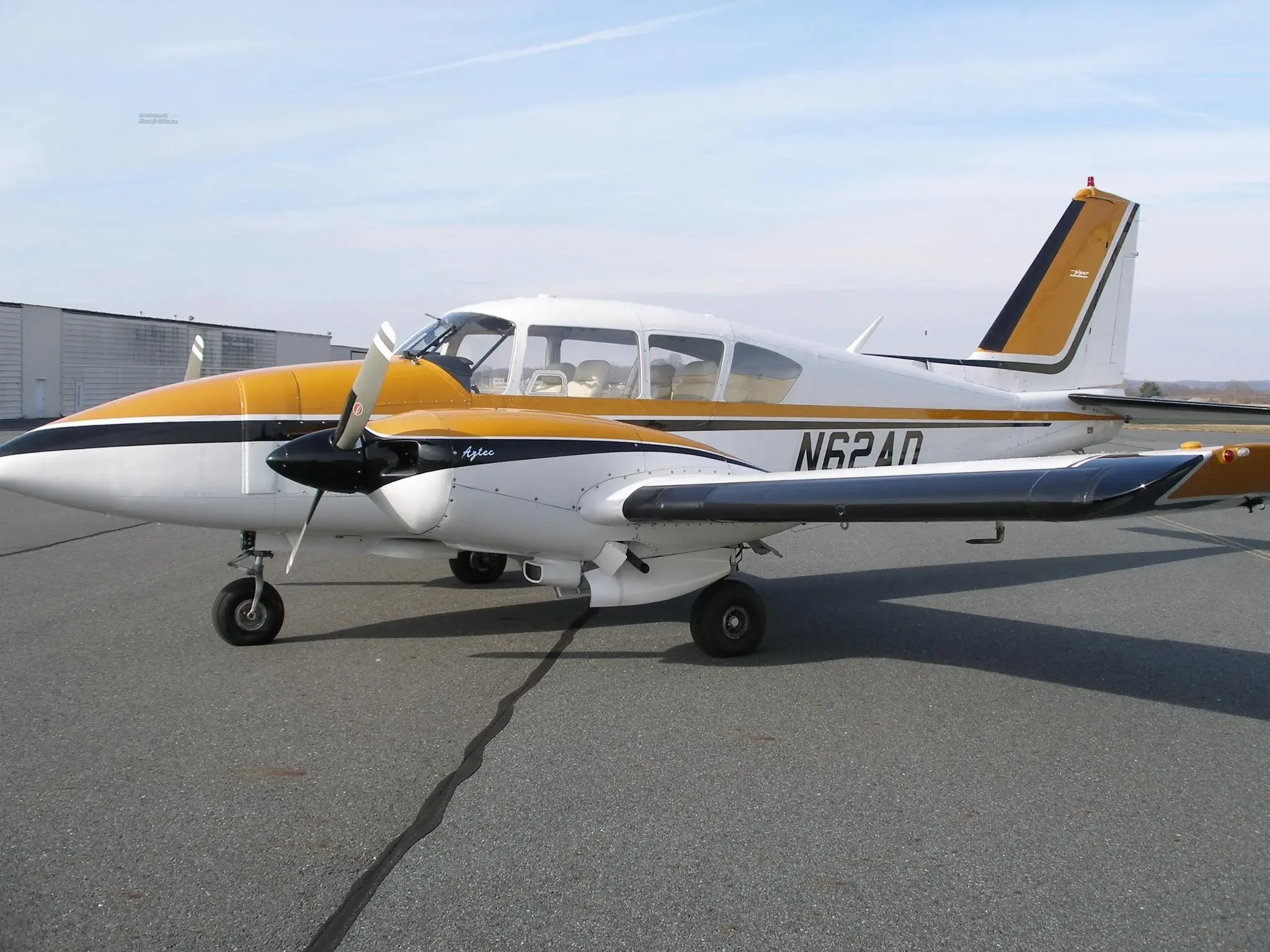
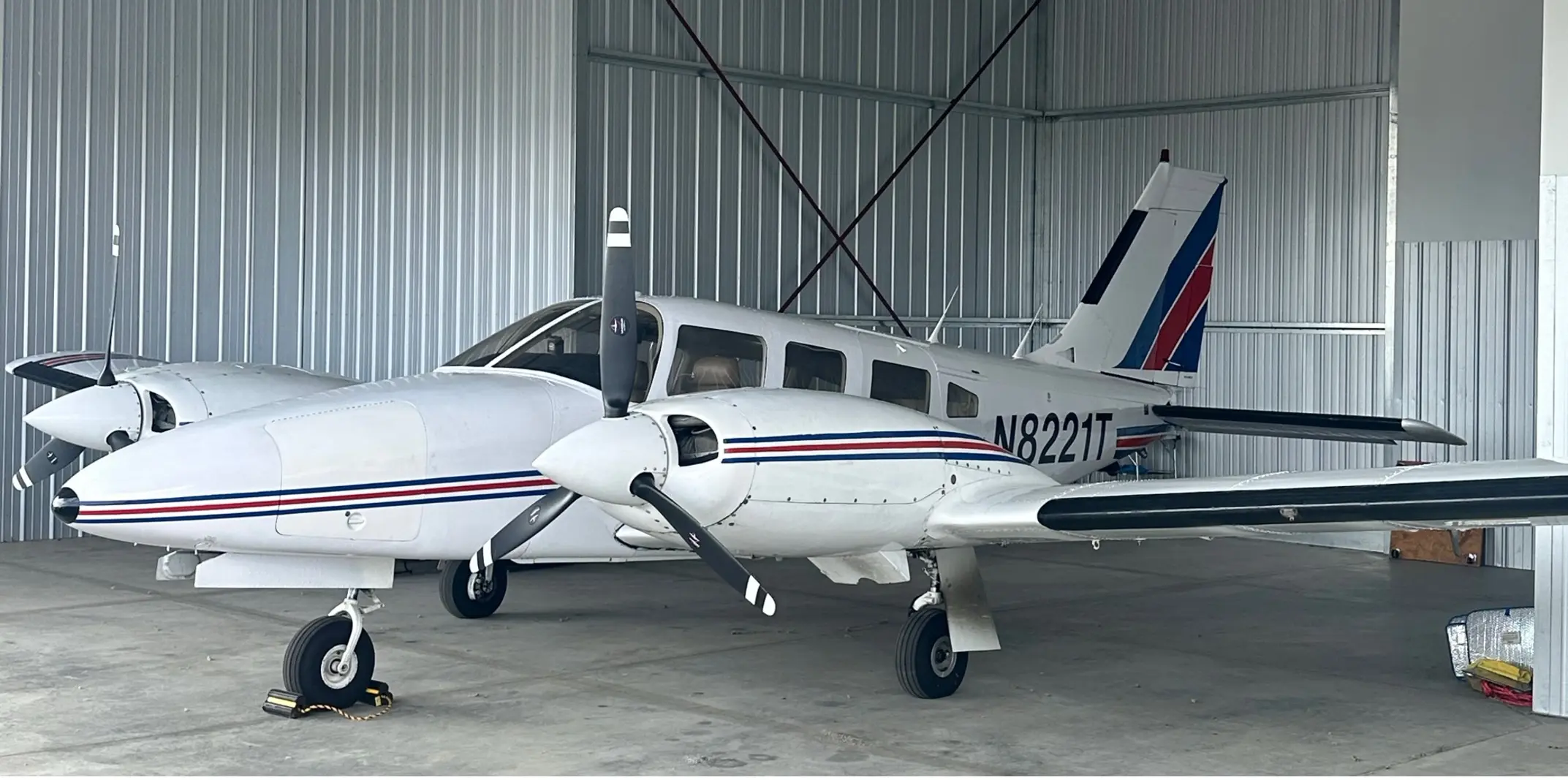
The P2006T is a light twin with retractable landing gear and two Rotax engines. For your training, those features create practical questions. How does the landing gear affect drag? What should each engine indication tell you? How does the airplane’s performance change with weight and temperature? Those are questions you learn to answer before making a departure decision.
Our multi-engine course starts with a look at your current proficiency and then works through aircraft systems, performance and procedures. Understanding why a procedure works makes the cockpit flow easier to learn and gives you a way to recognize when something does not look right.
A second engine also changes the performance problem. Unequal thrust can create a turning tendency, and an airplane operating on one engine may have sharply reduced climb capability. Weight, atmospheric conditions and aircraft configuration affect the result. The FAA Airplane Flying Handbook’s multiengine chapter provides background for the aircraft-specific study you will do with your instructor.
Bring strong single-engine habits into the next cockpit
Imagine briefing a departure in a twin. You need to know the runway, the performance available and the plan if the flight cannot continue normally. Steady airspeed control and disciplined checklist use give you room to think as the workload grows. Your single-engine experience remains useful, even though the new airplane requires its own procedures.
Before your training block, organize your certificate and logbook information, review the areas where you feel rusty, and make time for ground preparation. Arriving current and prepared protects your flight time. Our multi-engine preparation questions can help you identify what to discuss with an instructor before choosing dates.
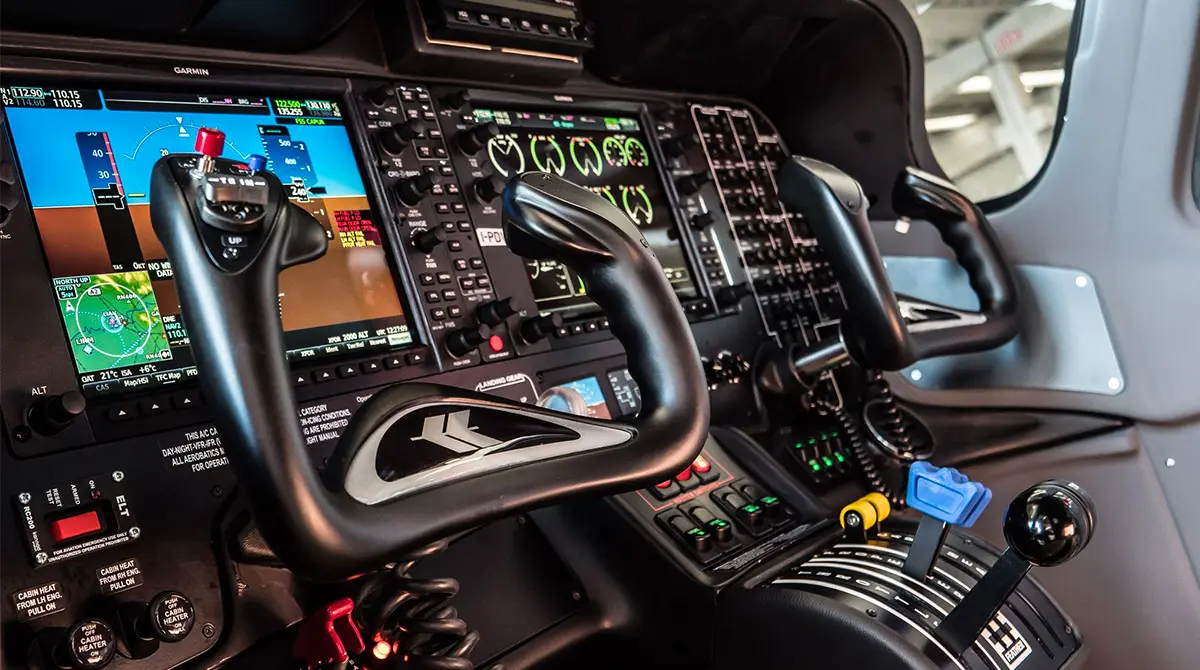
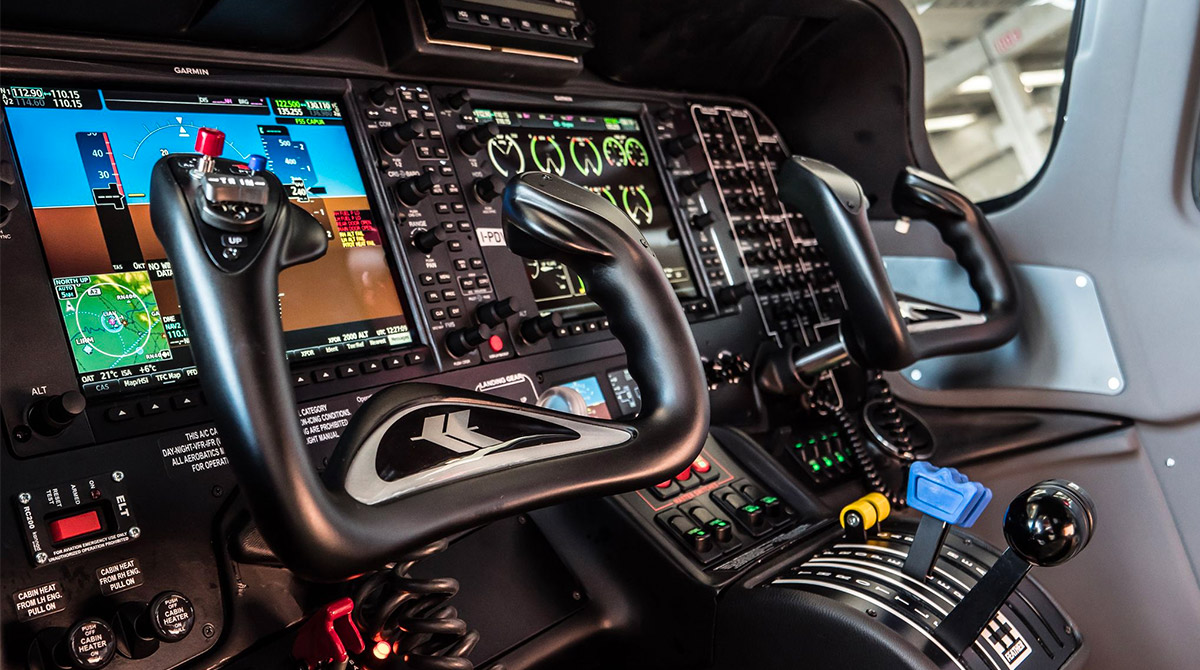
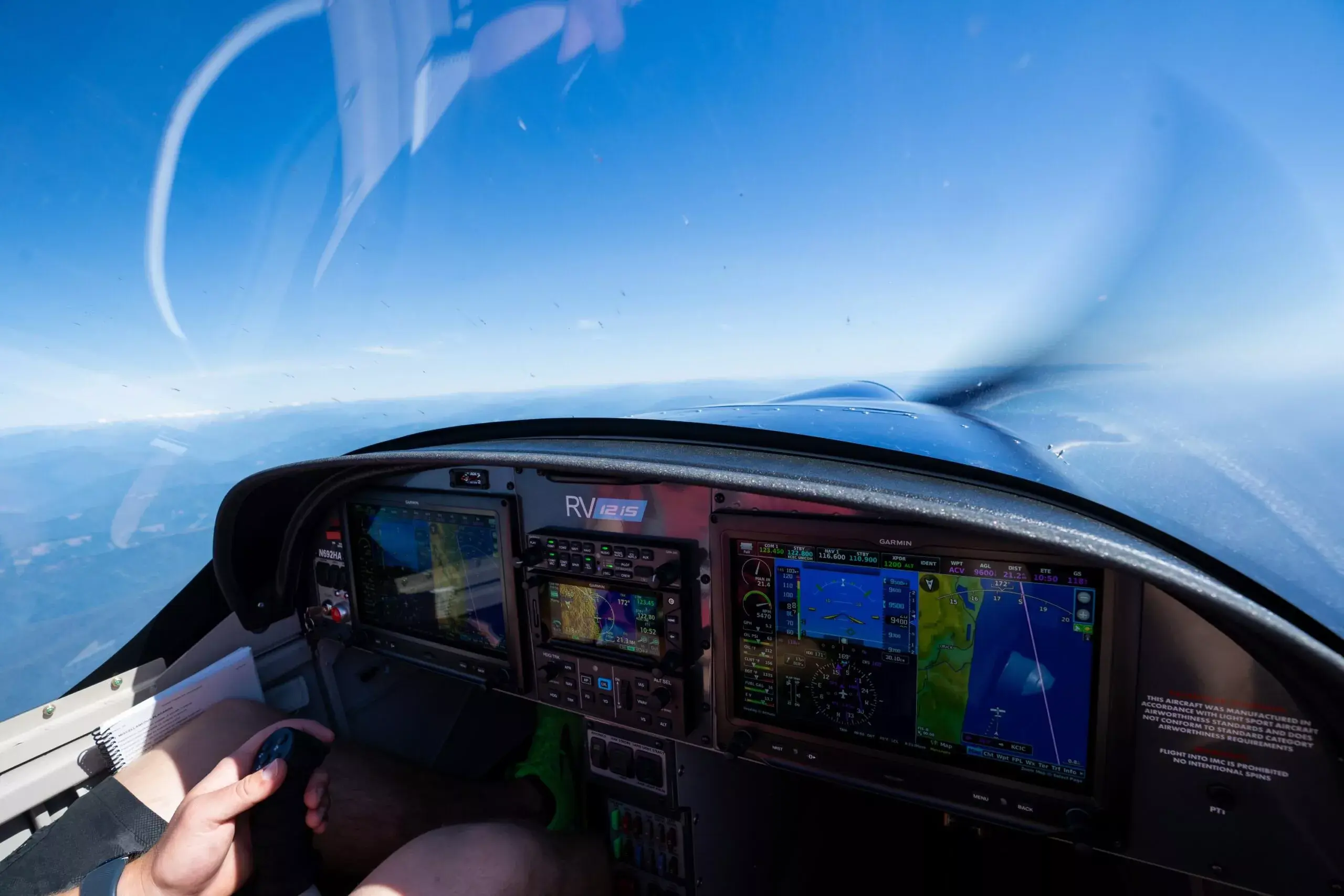
Study the assigned aircraft references rather than memorizing a generic twin checklist. Your instructor can direct you to the appropriate flight manual, limitations and study priorities. Familiarity with an electronic panel helps you read information, but control locations, procedures and avionics functions still deserve deliberate practice.
Plan your training block around readiness and availability
The first planning conversation should connect your current certificate, your proficiency and your reason for adding the rating. A private pilot expanding personal flying has a different next step from a commercial pilot preparing for professional work. Our Professional Pilot Program shows where multi-engine training can fit within the wider certificate and rating sequence.
Set aside time for both flying and preparation. A block of days away from work needs room for briefings, study and debriefs, as well as aircraft lessons. Weather, instructor availability and examiner scheduling can affect the finish. Coordinate those pieces before making travel arrangements around a checkride.
If funding affects the timing, include flight training financing in your planning early. A workable budget should cover the whole training block, including any travel or lodging you need. Review the training scope and the lender’s terms before committing to dates.
Five questions before you plan Tecnam training
Can I start flying the P2006T today? Training in it has not opened. The incoming aircraft is part of our multi-engine training plans, and a current scheduling conversation will help you plan your next step.
Is a multi-engine rating a separate pilot certificate? It is a class rating added to a pilot certificate. Your certificate level and other qualifications still determine the flying privileges you can exercise; our multi-engine FAQ explains the training context.
Should I wait to study until the aircraft arrives? You can review performance concepts and strengthen your current flying now. Use the course preparation guidance to focus your study, then work from the assigned aircraft references for specific procedures.
Will the Tecnam make the rating cheaper? Training cost depends on the scope and agreed terms. Review cost and scheduling questions with us rather than turning an aircraft’s fuel consumption into a student-budget estimate.
Put your next rating on a practical calendar
Tell us what you fly now and what you want to do next. Contact our team about the incoming Tecnam P2006T for the latest arrival and training updates, and to work out what you can prepare before your multi-engine lessons begin.

.CUl5Z40-_Z21BriN.webp)